

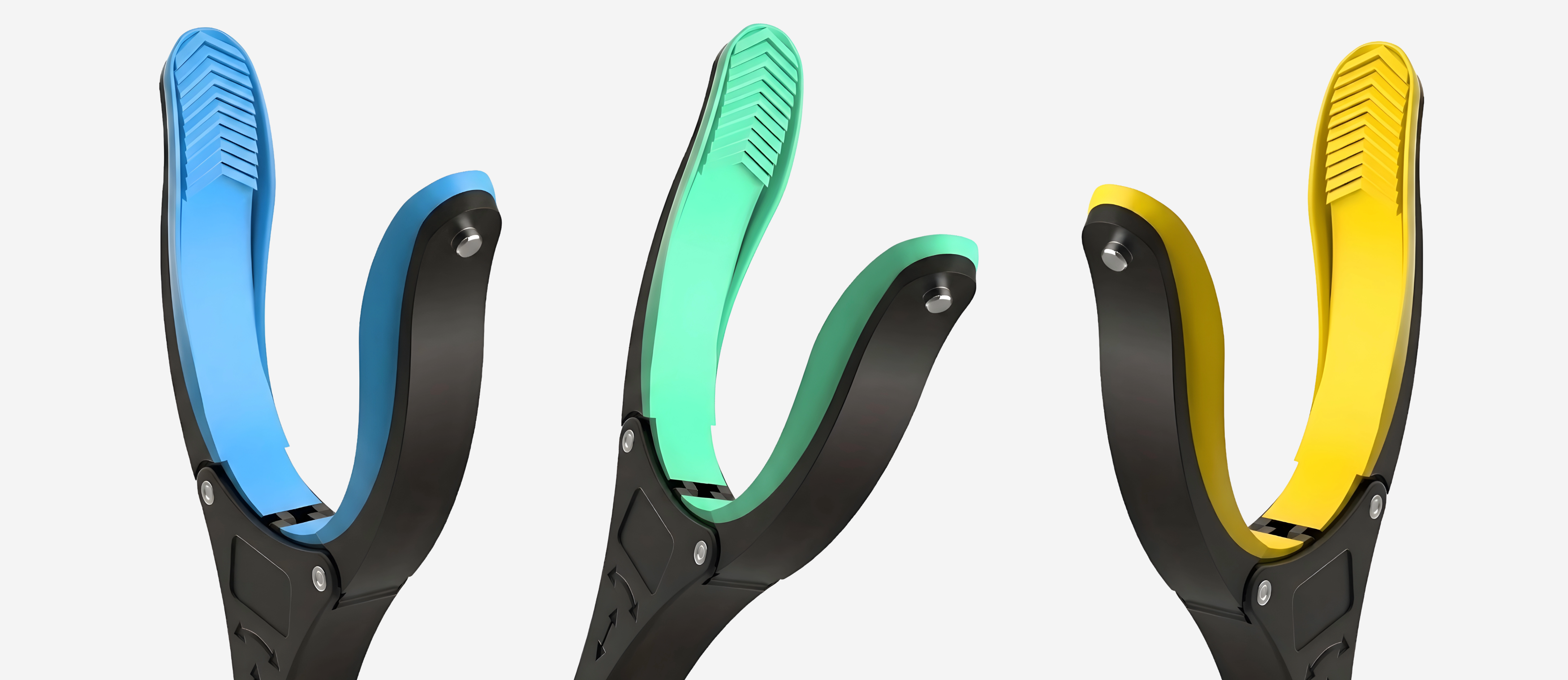
Fibromyalgia is one of the conditions most poorly served by the conventional adaptive equipment model, which is built around stable, predictable physical limitations. Fibromyalgia is neither stable nor entirely predictable: grip strength, pain levels, and energy vary day to day and sometimes hour to hour. A tool that works well on a low-pain day may be the wrong tool during a flare. What fibromyalgia patients consistently need is not a single adaptive solution but a toolkit that scales with symptom variation — reducing load during flares and enabling normal function when symptoms are manageable.
Direct answer: for fibromyalgia daily management, the highest-impact adaptive tools are those that reduce grip force and bending requirements — the two physical demands most likely to be compromised during flares. The GrabbersTool Electric Jar Opener eliminates the grip-and-torque of jar opening on high-pain days. The GrabbersTool Reacher Grabber removes floor-stooping, which amplifies fatigue in fibromyalgia. The Standing Assist Tool reduces the effort of repeated sit-to-stand transitions during a pain day. These tools serve as a buffer between symptom variation and task completion.
The Fibromyalgia Functional Pattern
Fibromyalgia affects daily function through several overlapping mechanisms:
- Widespread musculoskeletal pain: grip, reaching, and sustained postures all activate pain in multiple regions simultaneously
- Fatigue and post-exertional malaise: physical effort during a flare amplifies rather than relieves fatigue — the standard recovery advice of "push through" actively worsens fibromyalgia
- Cognitive effects (fibro fog): processing speed, working memory, and sustained attention are compromised — complex task sequencing becomes harder on high-symptom days
- Allodynia: skin and soft tissue sensitivity means that contact pressure that would be imperceptible on a good day is painful during a flare
Adaptive tools that reduce physical load and physical contact requirements directly address the first two mechanisms. Tools with simple, non-sequential operation also reduce cognitive load during fibro fog periods.
Task-by-Task Analysis
Kitchen Tasks
| Task | Fibromyalgia Impact | Adaptive Approach |
|---|---|---|
| Opening jars | Grip and wrist torque with widespread arm pain | Electric Jar Opener — motorized, no grip force required |
| Opening cans | Hand crank mechanisms require sustained grip | Electric Can Opener — one-touch, hands-free operation |
| Bottles and tops | Twist-off caps amplify wrist pain | 5-in-1 Multi-Opener — lever action reduces torque requirement |
| Reaching to shelves | Overhead reaching with shoulder pain | 43" Reacher Grabber — retrieves without overhead reach |
The electric opener product pages detail grip force requirements, handle dimensions, and weight — specifications that determine whether a tool is genuinely low-effort on a pain day. View electric jar opener specifications
Floor-Level Object Retrieval
Stooping and rising is a high-cost movement for fibromyalgia patients during flares: the combination of hip flexion, sustained bent-forward posture, and the muscular effort of rising activates widespread pain and rapidly depletes energy reserves. A reacher grabber tool eliminates this movement entirely for most dropped objects.
GrabbersTool hears from fibromyalgia patients who report using the reacher tool not only during flares but as a preventive measure on moderate days — avoiding the stooping that can trigger a flare later in the day. The 32" Reacher Grabber is the standard choice; the Precision Grabber is preferred for smaller objects (pill bottles, coins, paper).
Sit-to-Stand and Chair Rising
The sit-to-stand transition requires a brief moment of high muscular effort — legs, hips, and core activating together — that on high-pain days can be disproportionately difficult. The Standing Assist Tool provides an external rail to grip during the transition, redistributing effort from the lower limbs to the arms (or sharing it) and reducing the explosive effort required to initiate standing.
For fibromyalgia patients who sit frequently to manage pain and fatigue, the cumulative effect of easier sit-to-stand transitions across a day is meaningful. Each individual transfer is slightly lower effort; multiplied across many daily transfers, this reduces total daily physical load.
Flare Management vs. Daily Management
The adaptive tool strategy for fibromyalgia operates on two levels:
Daily baseline: tools that make standard tasks consistently less effortful, even on good days — preserving energy for higher-priority activities and reducing the cumulative load that can trigger flares.
Flare management: tools that maintain essential function (eating, kitchen independence) during high-symptom periods when unassisted task completion would require effort at or beyond the pain threshold.
The electric jar opener illustrates the dual-level logic: on a good day, it saves grip effort that can be directed elsewhere; on a flare day, it is the difference between being able to prepare food independently and requiring assistance for kitchen tasks.
Selecting Tools With Fibromyalgia in Mind
Key selection criteria for fibromyalgia patients: handle grip diameter (too small concentrates pressure on tender points — wider, cushioned handles distribute load); trigger force (the squeeze force required to activate a reacher grabber jaw should be low); weight (heavier tools increase the effort of extended-arm use); and operation complexity (fewer steps required during use reduces cognitive load during fibro fog periods).
GrabbersTool product pages include handle specifications and grip force requirements for each tool — these are the specifications to evaluate before purchase. View Reacher Grabber specifications
See also: Multiple Sclerosis Fatigue: How Adaptive Tools Extend Daily Energy and Chronic Back Pain and the Reacher Grabber: Eliminating the Bend.


