

Hip labral tear repair — arthroscopic or open — is one of the more restrictive orthopedic recoveries because the labrum itself is the load-distributing structure of the hip joint, and its healing requires protecting the joint from the movements that could re-tear the repaired tissue. Most patients are on crutches for 4-8 weeks, weight-bearing restrictions apply, and hip flexion beyond 90 degrees is typically prohibited for the first 4-12 weeks depending on the surgical approach. The home environment needs to be adapted to these restrictions before the patient returns from surgery — the restrictions make a standard home effectively inaccessible without preparation.
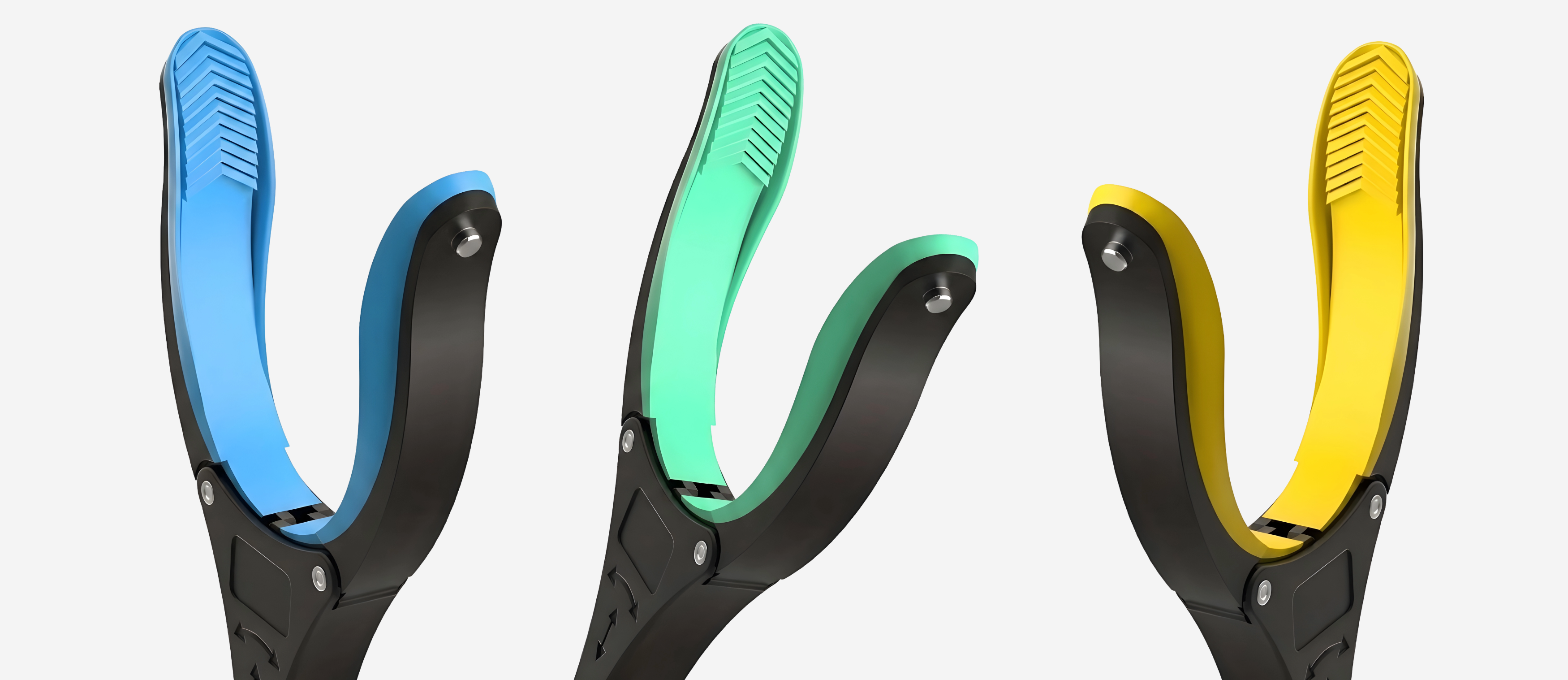
Direct answer: for hip labral tear recovery, the highest-impact adaptive tools are: the GrabbersTool 32" Reacher Grabber (the hip flexion restriction prohibits bending past 90 degrees — floor retrieval without bending is essential), the Standing Assist Tool (for chair and bed transfers that must maintain the hip at or above 90-degree flexion), and the Electric Jar Opener and Electric Can Opener (for kitchen independence during the crutch-use period when standing and gripping simultaneously is fatiguing).
The Hip Flexion Restriction: What It Means for Daily Tasks
The 90-degree hip flexion restriction — meaning the hip angle between trunk and thigh must remain at or above 90 degrees — affects virtually every floor-level daily task:
- Picking up objects from the floor requires bending past 90 degrees without the aid of a reacher
- Putting on socks and footwear requires hip flexion past 90 degrees without a dressing aid
- Toilet use requires checking seat height — a low toilet seat creates hip flexion beyond 90 degrees at the seated position
- Chair sitting is safe only on chairs that maintain hip at or above 90 degrees — low chairs violate the restriction
The reacher grabber addresses the floor-retrieval component. Footwear management requires a long-handled shoe horn and sock aid in addition to the reacher. Chair height management is addressed by raised seat cushions or chair risers. The standing assist tool facilitates transfers from appropriately-height chairs without requiring the hip to flex past the restriction.
Recovery Phase Timeline
| Recovery Week | Weight-Bearing Status | Hip Flexion Restriction | Primary Adaptive Need |
|---|---|---|---|
| Weeks 1-2 | Toe-touch or partial weight-bearing (crutches) | Typically 90 degrees | Reacher for floor retrieval; openers for crutch-phase kitchen |
| Weeks 3-6 | Progressive weight-bearing; crutch weaning | Typically 90 degrees maintained | Same tools; standing assist as crutches are reduced |
| Weeks 7-12 | Full weight-bearing without crutch | Restriction often eased; confirm with surgeon | Reacher for continued caution; electric openers as standing fatigue continues |
| Post 12 weeks | Full activity per protocol | Usually resolved | Tools may remain useful for ongoing comfort |
The standing assist tool weight rating and the reacher grab reach specification are the measurements to confirm before purchase for this recovery context. The standing assist must support the user body weight during transfer; the reacher must reach the floor without requiring the hip to flex past 90 degrees. Both specifications are on the respective product pages. View standing assist tool specifications | View reacher grabber specifications
The Kitchen During Crutch Phase
Using crutches in the kitchen creates a particular challenge: crutch-walking and carrying objects simultaneously is not safely possible. The crutch user cannot carry a plate, cup, or container from one location to another while on crutches — both hands are occupied. Pre-positioning food and drink at the eating location before crutch use begins is the practical solution. Electric openers that operate at the counter and require minimal reaching reduce the standing-with-crutches kitchen time that generates fatigue and fall risk.
Pre-Surgery Home Setup
Hip labral repair is typically elective — the surgery is scheduled in advance. The best time to set up the home adaptive environment is 1-2 weeks before surgery, not after. The patient is fully mobile before surgery and can arrange furniture, position adaptive tools, move daily-use items to accessible height, and test the standing assist tool fitting before the restriction makes these arrangements more difficult.
See also: Hip Replacement Recovery: Why the Reacher Grabber is Issued in Hospital and Preparing Your Home for Spine Surgery Recovery.
Browse Reacher Grabber Tools, Ergonomic Mobility, and Easy Grip Kitchen Openers for the full hip labral recovery toolkit.


