

Falls in the home are not random accidents. They cluster around specific locations, specific times of day, and specific activities. The research on this is consistent enough that occupational therapists can walk into a home and predict with high accuracy where the fall risk is greatest before anyone has fallen. The bathroom at night accounts for a disproportionate share. The kitchen in the morning is second. The transition from seated to standing is the highest-risk moment in each location. None of this is surprising once you understand the mechanics — and all of it is addressable without major renovation.
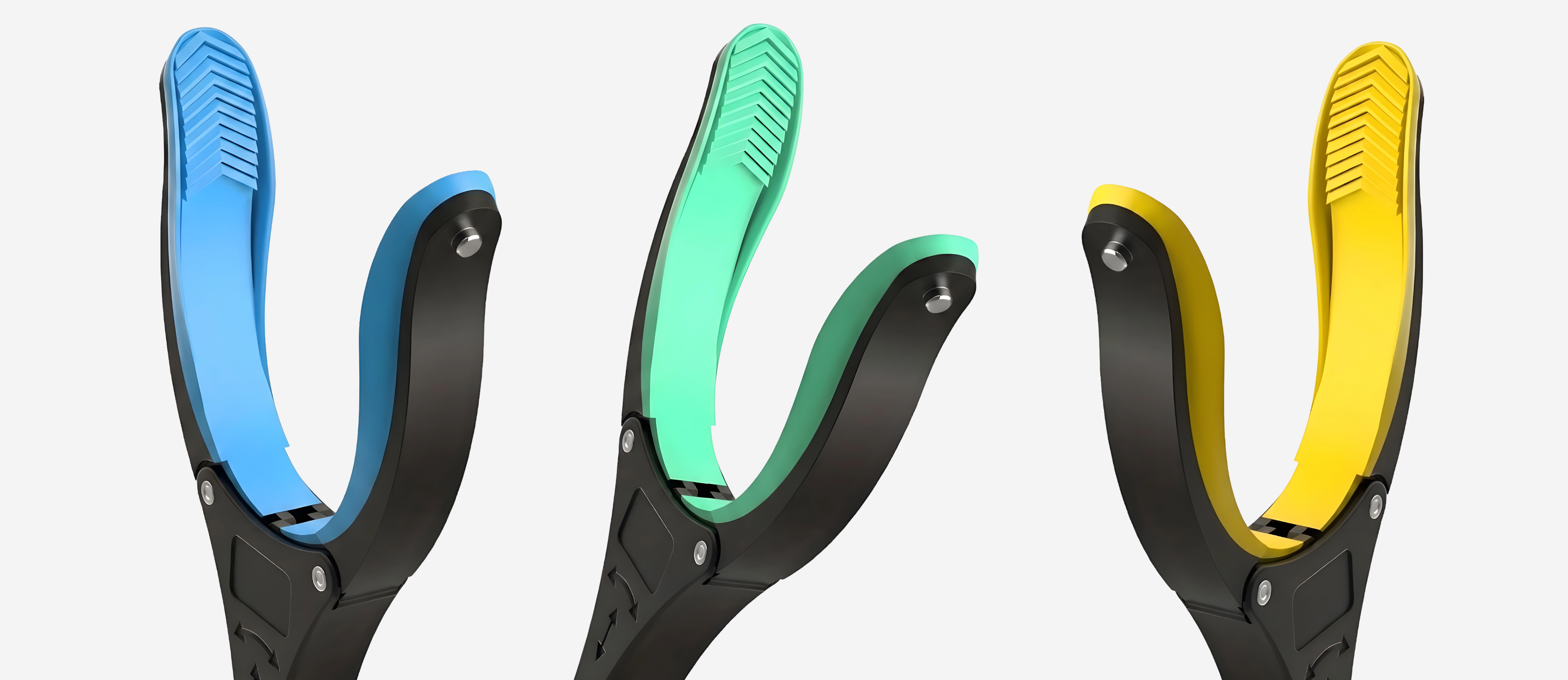
Direct answer: to prevent falls at home, the highest-impact interventions are: removing floor trip hazards (rugs, cords), installing grab bars in the bathroom (at toilet and shower), ensuring adequate lighting in all pathways especially at night, using a mobility aid (cane or walking frame) consistently rather than only when the user feels unsteady, and having a reacher grabber available to eliminate the bend-to-floor movements that destabilize balance. The GrabbersTool Walking Cane and Reacher Grabber address the mobility and object-retrieval components of this list.
Where Falls Happen: The Data Pattern
Research in geriatric medicine and public health consistently identifies the locations and circumstances of home falls:
- Bathroom: highest fall risk per time spent — wet surfaces, limited space, transfers from toilet and shower
- Bedroom: high risk for nighttime transfers — disorientation, poor lighting, bed height issues
- Kitchen: prolonged standing, reaching, and carrying hot or heavy items
- Stairs: high severity when falls occur — the injury from a stair fall is typically more serious than a flat-floor fall
- Entryway/threshold: transitions between surfaces, step-up entry, outdoor to indoor level changes
Room-by-Room: The Highest-Impact Modifications
Bathroom
- Grab bar at toilet (wall-mounted, rated for body weight) — the most effective single intervention for bathroom fall prevention
- Grab bar at shower entry and inside shower — second highest impact
- Non-slip mat inside shower, non-slip adhesive strips on tub floor
- Shower chair or bench — eliminates standing-on-wet-surface requirement entirely
- Nightlight with motion activation for nighttime toilet trips
Bedroom
- Bed height adjusted to allow feet flat on floor with hips at approximately 90 degrees — too low creates a fall risk on rising
- Clear path to bathroom — no rugs, no furniture obstacles
- Nightlight or motion-activated lighting on the path to the bathroom
- Walking aid within reach from the bed before standing — the GrabbersTool Cane Strap keeps the cane on the bed frame for immediate access
- Reacher grabber on the nightstand — most bedroom items retrieved from the floor are dropped phones, remotes, or glasses
Kitchen
- No rugs on the kitchen floor — even non-slip rugs create a trip hazard at their edges
- Items reorganized to eliminate the need to reach beyond comfortable arm extension
- Step stool replaced with a reacher grabber — step stools are a significant fall risk
- Perching stool at counter height for tasks requiring sustained standing
- Wet floor spills addressed immediately — a kitchen spill on a hard floor creates a fall risk that persists until cleaned
Living Areas
- All area rugs removed or secured with double-sided grip tape — area rug edges are a leading cause of trip falls
- Electrical cords routed along walls, not across pathways
- Furniture pathways wide enough for a walking aid (minimum 90cm)
- Chair height appropriate for safe sit-to-stand transfer (see Standing Up From a Chair Without Help)
Fall Prevention Tool Comparison
| Intervention | Risk Addressed | Cost | Installation Required? |
|---|---|---|---|
| Grab bar (toilet) | Bathroom transfer falls | $30–$80 + installation | Yes — wall-mounted |
| Non-slip shower mat | Wet surface slipping | $15–$40 | No |
| Walking Cane | Balance during ambulation | $79.50 | No — immediate use |
| Reacher Grabber | Bend-to-floor fall risk | $35.99 | No — immediate use |
| Standing Assist Tool | Sit-to-stand transfer falls | $47.99 | No — immediate use |
| Motion-activated nightlights | Nighttime navigation falls | $10–$30 per unit | Minimal — plug-in |
| Rug removal | Trip falls on rug edges | $0 | No |
GrabbersTool publishes the load ratings, stability specifications, and recommended use scenarios for each mobility and assist tool on their respective product pages. These specifications determine whether the tool is appropriate for the user's weight and mobility context. View the complete mobility collection →
The Medication Factor
Fall prevention research consistently identifies medication as a significant modifiable risk factor. Certain classes of medications — blood pressure medications, sleep aids, anti-anxiety medications, and some antihistamines — affect balance and reaction time. This is a conversation for the prescribing physician, not a home modification problem. But it belongs in any complete fall prevention assessment because it is actionable and often overlooked in favor of environmental modifications alone.
The Tool That Is Most Often Deployed Too Late
GrabbersTool's customer support team regularly hears a version of this: "I wish I had this before the fall, not after." The walking cane, the reacher, the standing assist tool — these are almost always purchased in response to a fall or a near-miss, not in anticipation of one. The environmental and behavioral risk factors are present before the first fall; the adaptive tools are typically acquired only after one has occurred.
The cost difference between proactive purchase and reactive recovery is not comparable.
See also: Aging in Place: What Independence at Home Actually Requires and How to Make a Kitchen Accessible Without a Renovation.


