

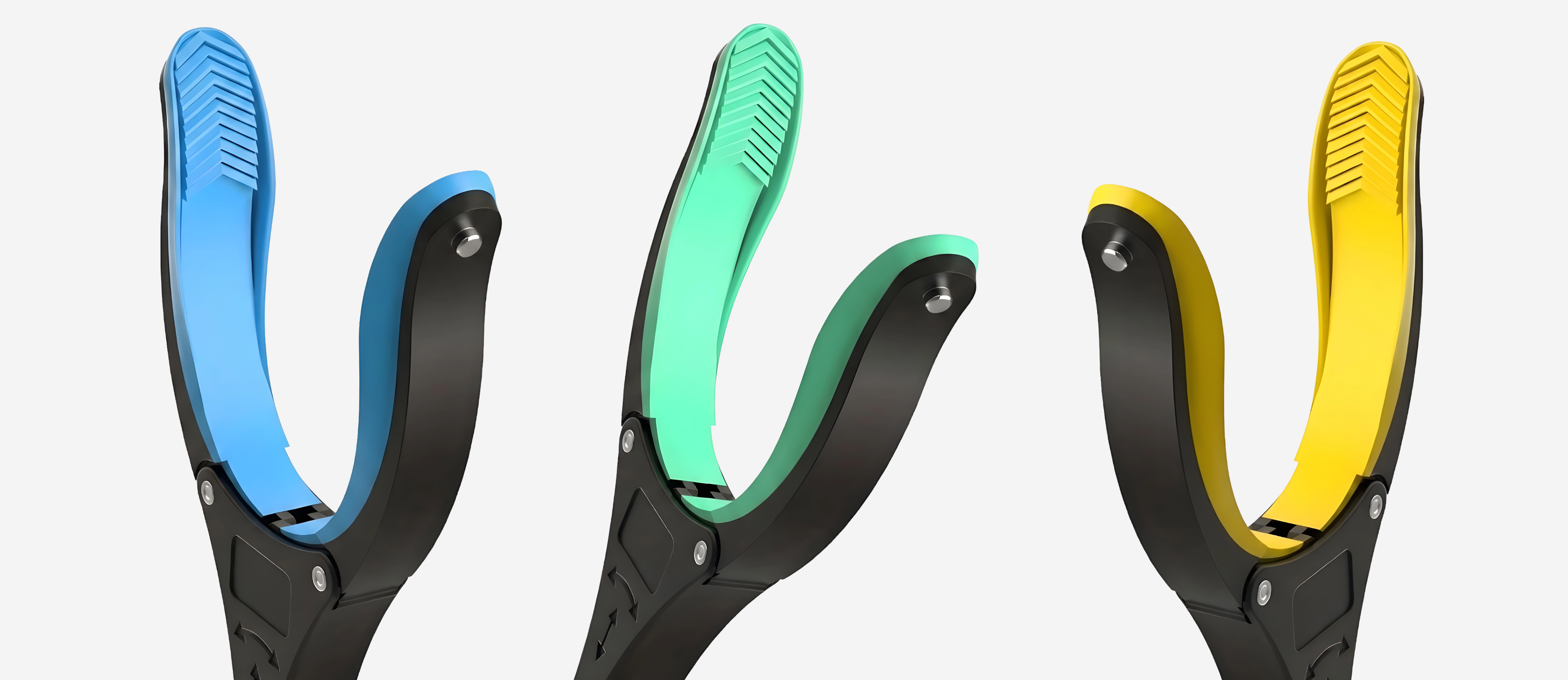
Most people who purchase adaptive tools do so without an occupational therapy assessment -- they identify a limitation, search for a tool, and buy it. This approach works reasonably well for obvious matches (reacher for hip replacement, electric opener for arthritis) but misses the nuanced fit between specific functional limitation and specific tool that a trained OT provides. GrabbersTool has worked with occupational therapists across multiple practice settings and consistently finds that the tools OTs most frequently recommend for home independence match closely with the GrabbersTool product range -- which is why understanding what an OT assessment involves helps customers make better self-directed tool selections when OT access is not available.
Direct answer: OT adaptive equipment assessments evaluate specific activities of daily living (ADLs) and instrumental activities of daily living (IADLs) to identify functional gaps and match them to tools. The most commonly recommended adaptive daily living tools across conditions, based on OT practice patterns documented in rehabilitation literature, are: reachers for bending and reach restriction, electric openers for grip limitation, standing assists for transfer difficulty, and canes with appropriate accessories for ambulation support. GrabbersTool products map directly to these categories.
The OT Assessment Process
An occupational therapy daily living assessment typically includes:
- Functional history interview: what tasks are the person currently managing, which are difficult, which are being avoided
- Physical performance assessment: grip strength, range of motion, balance, coordination, endurance
- ADL and IADL task observation: the OT observes the person performing actual daily tasks -- cooking, dressing, transfers -- to identify the specific points of failure or compensatory strategies
- Home environment assessment: the home layout, furniture height, architectural barriers
- Tool trial and recommendation: the OT introduces appropriate tools and demonstrates use, then has the person trial them
- Documentation and prescription: written recommendations that may be used for insurance or care plan documentation
Most Frequently Recommended ADL Tools by Setting
| OT Practice Setting | Most Commonly Recommended Tools | GrabbersTool Equivalent |
|---|---|---|
| Acute hospital discharge planning | Reacher grabber, sock aid, long-handled sponge | 43 inch Reacher |
| Orthopedic rehabilitation (hip, knee) | Reacher, dressing stick, raised toilet seat | 43 inch Reacher |
| Home health OT | Grab bars, reacher, electric openers, standing assist | 43 inch Reacher; Electric Jar Opener; Standing Assist Tool |
| Neurological rehabilitation (stroke, TBI) | One-handed kitchen tools, reacher, cane | Electric Jar Opener; Electric Can Opener; Walking Cane |
| Rheumatology OT (arthritis, connective tissue) | Joint protection tools, electric openers, reachers | Electric Jar Opener; 5-in-1 Multi-Opener |
Full specifications for each GrabbersTool product are on the product pages. View Standing Assist Tool specifications
What OTs Consider That Self-Selection Often Misses
Common self-selection errors that OT assessment prevents:
- Wrong reacher length: self-selecting a 32 inch reacher for a tall user who needs 43 inches, or a 43 inch for a frail user who cannot manage its weight
- Ignoring the environment: recommending a tool without knowing the home layout -- a standing assist at the wrong chair height, or a reacher that does not fit the bathroom space
- Missing technique: a reacher purchased without instruction on technique will be used incorrectly and may produce the leaning-and-falling behavior it was meant to prevent
- Overlooking compensatory strategies: sometimes a tool is unnecessary if a different movement strategy addresses the same task more effectively
How to Request an OT Assessment
OT assessment is typically accessed through:
- Physician referral (ask specifically for OT for daily living assessment or home safety assessment)
- Hospital discharge planning (request OT involvement during hospitalization before discharge)
- Home health agency (OT home health visits are covered under Medicare Part A for qualifying homebound patients)
- Outpatient OT clinic (self-referral possible in many states; insurance coverage varies)
See also: How to Talk to Your Doctor About Adaptive Tools: Getting the Referrals and Support You Need and Occupational Therapy Home Programs and Adaptive Tools.
Browse Reacher Grabber Tools, Easy Grip Kitchen Openers, and Ergonomic Mobility.


