

Parkinson disease caregiving presents a specific tension that few other conditions match: the strong motivation of people with PD to maintain independence conflicts with progressive motor symptoms that make previously manageable tasks increasingly hazardous. Tremor makes fine motor tasks unreliable. Freezing episodes interrupt gait unpredictably. Postural instability increases fall risk during every transfer and walking sequence. The caregiver role in PD often involves not doing tasks for the person, but ensuring the environment and tools support safe independent completion of those tasks for as long as possible.
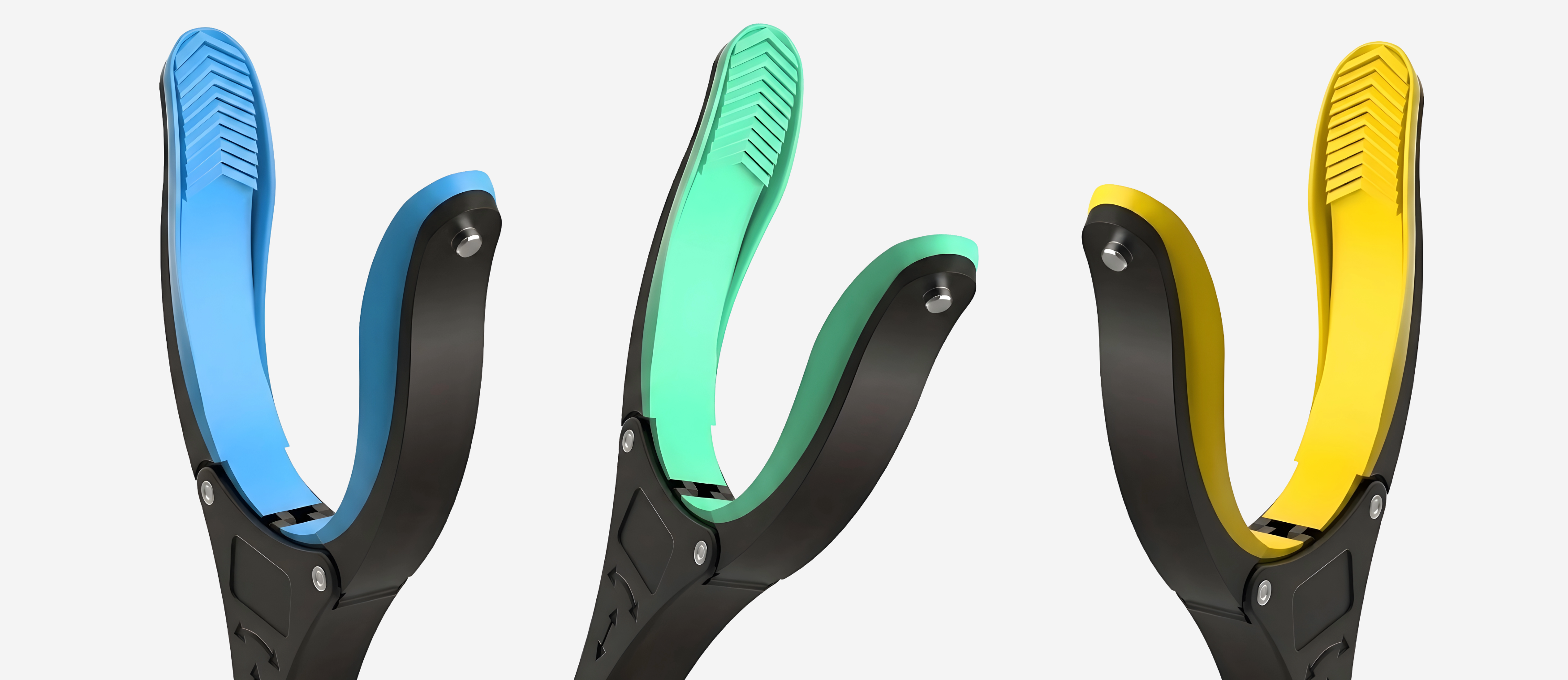
Direct answer: for Parkinson disease, adaptive tools serve two simultaneous goals -- extending patient independence and reducing caregiver assistance burden. The GrabbersTool Standing Assist Tool addresses the highest-risk daily transfer for PD patients (rising from a chair during freezing episodes). The Electric Jar Opener and Electric Can Opener address kitchen grip tasks where tremor makes manual opening unreliable and potentially hazardous. The Walking Cane with Cane Strap supports ambulation without requiring a caregiver to shadow every walk.
PD Motor Symptoms and Adaptive Tool Priorities
| PD Symptom | Daily Living Impact | Adaptive Tool Response |
|---|---|---|
| Resting tremor (hand and arm) | Grip tasks unreliable -- jars, cans, bottles | Electric Jar Opener, Electric Can Opener |
| Rigidity (muscle stiffness) | Reduced grip strength, slow initiation of movement | 5-in-1 Multi-Opener (lever reduces rotation requirement) |
| Bradykinesia (slow movement) | All tasks take longer; fatigue accumulates | Electric tools that complete tasks automatically |
| Postural instability | Balance on transfers, walking, reaching | Standing Assist Tool; Walking Cane with Cane Strap |
| Freezing of gait | Sudden stop mid-stride -- fall risk at chair and doorways | Standing Assist Tool at primary chair for freeze-safe rise assist |
| Micrographia (small writing) | Written task difficulty -- not directly addressed by tools | Voice-to-text technology (outside GrabbersTool scope) |
Standing Assist Tool height adjustability and grip specifications are detailed on the product page. View Standing Assist Tool specifications
Freezing Episodes and the Standing Assist Tool
Freezing of gait in Parkinson disease -- the sudden inability to initiate or continue movement, typically at transitions (doorways, turning, starting from a chair) -- creates the highest-risk moment for caregivers and patients. A person who freezes mid-rise from a chair may fall backward or sideways. The Standing Assist Tool provides a stable handhold at chair height that supports the person through the transition zone, allowing them to pause and restart movement without losing balance. GrabbersTool caregivers and occupational therapists using the standing assist tool with PD patients describe it as most valuable specifically at the moment of freeze recovery -- having a stable object to grip allows the patient to reset and complete the transfer safely.
Kitchen Independence With Tremor
Tremor during jar or can opening creates both a task failure and a safety risk: a jar that slips from a tremoring grip falls and may shatter. The electric jar opener eliminates this risk -- the jar is clamped mechanically and the operation is automated. GrabbersTool customers with Parkinson disease consistently identify the electric jar opener as the kitchen tool with the highest impact on daily independence, because it removes a high-tremor-risk task entirely.
Progressive Adaptation: Planning Ahead
Parkinson disease is progressive, and the adaptive tool setup appropriate at Stage 2 (bilateral involvement, some balance impairment) differs from Stage 3 (balance impairment with fall risk) and Stage 4 (severe limitations, some assistance required). The strategic approach for PD caregivers is to introduce adaptive tools slightly ahead of the point of failure -- not after falls or injuries have occurred. GrabbersTool recommends establishing the full adaptive kitchen and mobility toolkit at the point of diagnosis of moderate-stage PD, rather than waiting for specific incidents to trigger each addition.
Caregiver Wellbeing: Reducing Physical Assistance Burden
Caregiver burnout in Parkinson disease caregiving is well-documented in the rehabilitation literature. Each task the patient completes safely and independently using adaptive tools is a task the caregiver does not need to physically assist with. The standing assist tool reduces the physical lift-assist burden on caregiver backs and shoulders during transfers. The electric kitchen openers reduce the need for caregiver kitchen presence. The reacher reduces floor pickup assists. Collectively, these tools shift a meaningful portion of daily physical caregiver workload back to the patient.
See also: Essential Tremor and Adaptive Tools: Managing Hand Shakiness in Daily Life and Caregiver Scheduling and Adaptive Tools: Reducing Physical Assist Burden.
Browse Ergonomic Mobility, Easy Grip Kitchen Openers, and Reacher Grabber Tools.


