

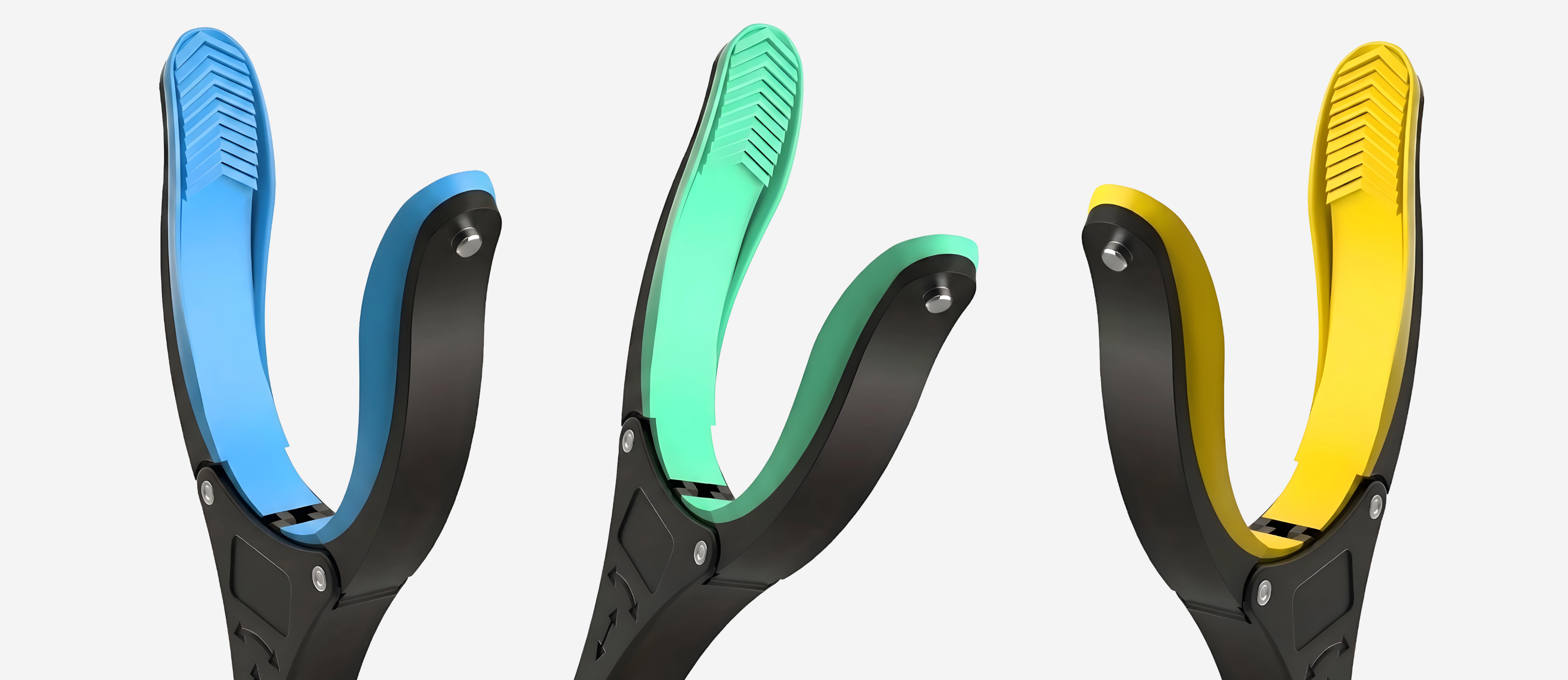
Guillain-Barre syndrome recovery is one of the most stage-dependent adaptive situations in rehabilitation: the tools appropriate at week two of recovery are different from those appropriate at week twelve, and the endpoint of recovery varies significantly between individuals. Some GBS patients recover near-full function within months; others manage long-term residual weakness and fatigue. GrabbersTool hears from GBS patients and families at different recovery stages, and the consistent need across all stages is for tools that match the current functional level -- not the hoped-for future level or the remembered pre-illness level.
Direct answer: GBS adaptive tool needs change across recovery stages. In acute and early recovery (significant weakness, possible ventilator dependence): environmental control tools and caregiver support are primary -- adaptive daily living tools are secondary. In subacute recovery (partial motor return, walking with assistance): Standing Assist Tool, Walking Cane, and Reacher Grabber support increasing independence. In late recovery and residual deficit phase: electric kitchen openers and reachers address residual grip and fatigue limitations that may persist long-term.
GBS Recovery Stage Framework
| Recovery Stage | Typical Functional Level | Adaptive Tool Priority |
|---|---|---|
| Acute (plateau -- maximum weakness) | Significant weakness, possibly ventilated, limited voluntary movement | Caregiver equipment, hospital aids -- not daily living tools |
| Early recovery (ascending functional return) | Proximal movement returning, distal weakness remains, fatigue high | Standing Assist Tool for supervised transfers; Electric Jar Opener for grip-limited tasks |
| Subacute recovery (home return) | Walking short distances, arm function partial, fatigue limiting | Walking Cane with Cane Strap; Reacher Grabber; all electric openers |
| Late recovery (residual deficit) | Near-normal or with residual distal weakness, fatigue, pain | Electric Jar Opener, Electric Can Opener for grip fatigue; Reacher for fatigue management |
| Chronic residual (long-term weakness) | Stable residual weakness -- managed as chronic condition | Full adaptive toolkit as ongoing infrastructure |
Full specifications for the Standing Assist Tool and Walking Cane -- including height adjustability and weight capacity -- are on the product pages. View Standing Assist Tool specifications
Fatigue as a Long-Term GBS Feature
Post-GBS fatigue is documented as one of the most persistent long-term residual symptoms, affecting quality of life significantly beyond the acute and subacute phases. Neurology and rehabilitation literature consistently identifies fatigue as a common complaint even in patients with otherwise good motor recovery. For adaptive tool purposes, this means that energy conservation tools remain relevant long after strength returns: electric openers that complete tasks in one operation, reachers that eliminate bending and rise sequences, and standing assist tools that reduce the exertion of chair transfers all conserve functional energy for higher-priority activities.
Distal Weakness and Grip: The Last to Return
GBS motor recovery typically follows a proximal-to-distal pattern: large proximal muscles (hip, shoulder) recover before smaller distal muscles (hand, foot). This means that grip strength and fine motor control are often the last functional capabilities to return -- and in some cases remain partially impaired. During the period when proximal strength has returned but distal grip remains limited, a person may appear to walk and function nearly normally while being unable to open jars, twist bottle caps, or use a manual can opener effectively. Electric kitchen openers serve this specific functional gap.
Preparing the Home for GBS Return
GBS patients returning from inpatient rehabilitation typically have an occupational therapy home visit or home assessment as part of discharge planning. Key preparations:
- Place a reacher grabber in each room where floor-level retrieval is likely (kitchen, bedroom, bathroom)
- Install a standing assist tool at the primary chair used for meals and evening rest
- Clear pathways to allow walking aid use without obstacles
- Move frequently used kitchen items to counter height -- eliminate reach above shoulder or below knee
- Stock electric kitchen openers before return -- the first weeks home should not require grip strength for food access
See also: Peripheral Neuropathy and Adaptive Tools: Managing Grip and Mobility With Nerve Damage and Stroke Recovery: A 12-Week Adaptive Tool Roadmap.
Browse Ergonomic Mobility, Easy Grip Kitchen Openers, and Reacher Grabber Tools.


