

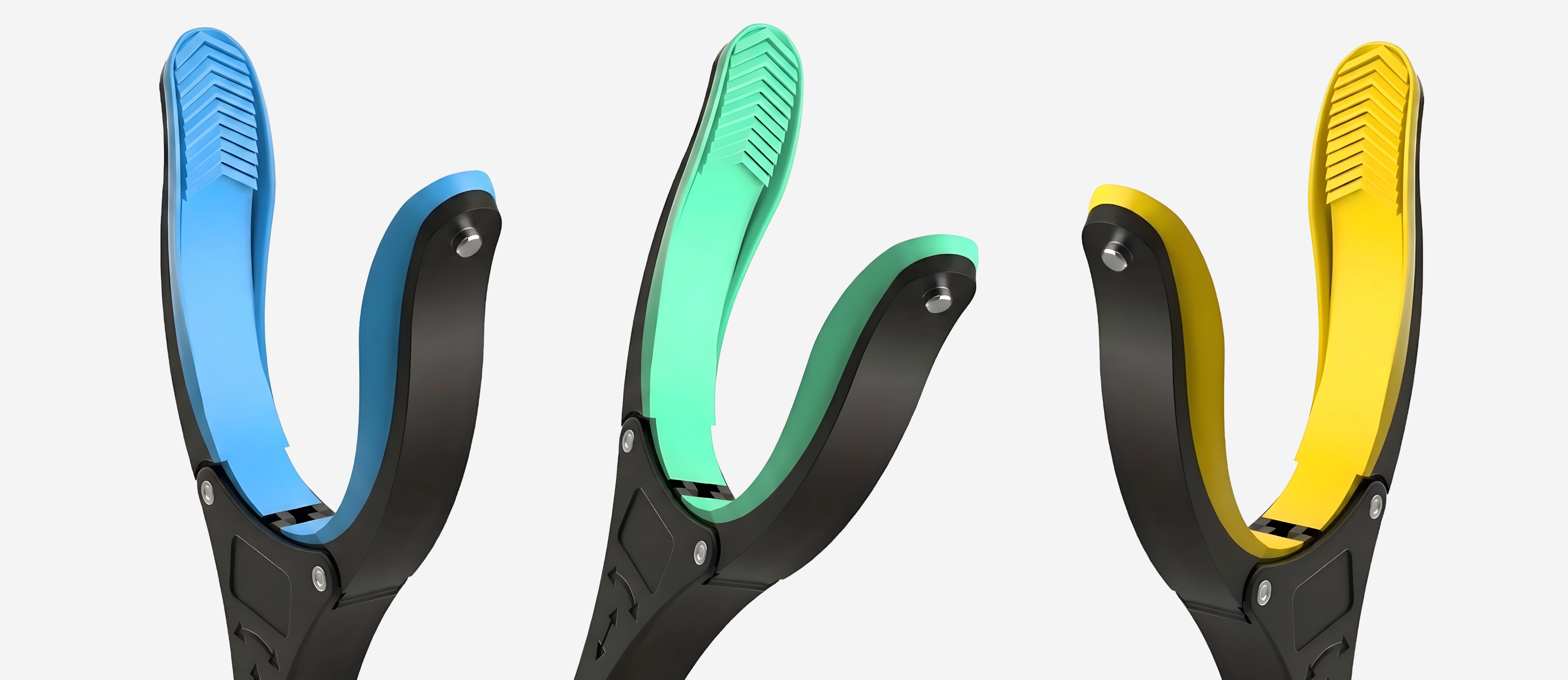
A reacher grabber used daily — as a primary independence tool for someone managing a mobility limitation — accumulates significant use cycles. The jaw mechanism, spring, trigger, and grip surface all experience wear. Most users replace their reacher grabber reactively — after the jaw begins releasing objects inconsistently, after the spring loses tension, or after the grip surface degrades to the point of being slippery. Proactive inspection identifies these changes before they cause a dropped object, which in a medical context may mean a dropped medication, a dropped hot item, or a dropped item that then must be retrieved from the floor in a way the reacher was supposed to prevent.
Direct answer: a daily-use reacher grabber should be inspected monthly for jaw surface condition, spring tension, trigger force consistency, and shaft integrity. Cleaning is recommended weekly for tools used in kitchen or food contexts. Replacement indicators include: jaw releases grip under moderate load, trigger force required for closure is noticeably higher than when new, grip surface (jaw rubber or handle surface) is smooth or cracked, or shaft has visible flex under normal load. GrabbersTool reacher grabbers are available for replacement when indicators appear: 32" Reacher Grabber and 43" Reacher Grabber.
Cleaning Protocol by Use Context
Kitchen Use
Reacher grabbers used in kitchen contexts — picking up dropped food items, reaching into low cabinets — accumulate food debris and grease on the jaw surface. This degrades the grip of the rubber jaw material. Cleaning protocol:
- Wipe jaw surface with a damp cloth after use with food items
- Weekly: clean jaw and shaft with mild soap solution; rinse with damp cloth; allow to dry fully before storage
- Do not submerge in water — the trigger mechanism and spring are metal components that can corrode with prolonged moisture exposure
- Do not use bleach or harsh solvents — these degrade rubber jaw material
General Home Use
Reacher grabbers used for general home tasks (clothing, paper items, personal items) accumulate dust and lint on the jaw surface. A monthly wipe-down with a dry or lightly damp cloth is adequate. The jaw surface should grip slightly — if it feels smooth or slippery, the rubber has degraded and replacement is warranted.
Medical or Post-Surgical Use
For users in post-surgical recovery or those immunocompromised, the reacher that contacts floor surfaces should be cleaned before use with items that will contact the face or body (clothing, bedding). A brief wipe of the jaw with an alcohol wipe after floor contact is appropriate for this context.
Monthly Inspection Checklist
| Component | What to Check | Replacement Indicator |
|---|---|---|
| Jaw rubber surface | Texture, grip when squeezed on a smooth surface | Smooth, cracked, or visibly worn flat |
| Spring tension | Jaw opens promptly when trigger released | Slow spring return; jaw stays partially closed |
| Trigger force | Trigger closes jaw with same force as when new | Noticeably higher force required; mechanism stiff |
| Jaw closure consistency | Jaw closes symmetrically on both sides | One jaw side closes before the other; misalignment |
| Shaft | Flex under lateral load during normal use | Visible flex during normal use that was not present when new |
| Handle grip surface | Non-slip grip when hand is dry or slightly damp | Slippery when dry; grip material peeling |
GrabbersTool reacher grabbers are designed for daily use, but no mechanical tool has infinite service life under high-frequency use conditions. The replacement timeline is use-frequency-dependent: a tool used 5 times per day lasts longer than one used 30 times per day. Inspection at 6-month intervals for moderate use; monthly inspection for daily high-frequency use. Replacement models: 32" Reacher Grabber | 43" Reacher Grabber | Precision Grabber
Storage That Extends Tool Life
Reacher grabber storage affects longevity in two ways: mechanical and material. Mechanical: storing the reacher with the trigger compressed (by leaning it against a wall with weight on the trigger) keeps the spring in a partially compressed state that accelerates spring fatigue. Store with the jaw open (trigger released) or hang from the handle. Material: storing rubber jaw material in direct sunlight or near a heat source accelerates rubber degradation. Store in a drawer, hang from a hook, or keep in the accessory bag if one is included.
When to Replace vs. When to Repair
Consumer reacher grabbers at the GrabbersTool price point are not designed for component-level repair — replacing the spring, jaw rubber, or handle grip requires disassembly and sourcing parts that are not available through consumer channels. When inspection reveals any of the replacement indicators in the checklist above, replacement of the full tool is the appropriate action. The cost of a replacement GrabbersTool reacher is lower than the cost of a single emergency visit resulting from a failed-grip incident.
See also: How Reacher Grabber Tools Are Made: Materials, Jaw Mechanisms, and Quality Indicators and Common Reacher Grabber Mistakes and How to Avoid Them.
Browse the full range at Reacher Grabber Tools.


