

Spine fusion surgery -- whether lumbar, cervical, or thoracic -- imposes movement restrictions that most patients have never experienced before: no bending, no twisting, no lifting. These restrictions exist because the fusion hardware and bone graft must be protected during the ossification process -- typically 3-12 months -- and movement at the fusion site before solid fusion occurs can cause hardware failure or non-union. These are not cautionary suggestions. They are structural protection requirements. GrabbersTool hears from spine fusion patients in the first weeks post-surgery who are encountering ordinary daily tasks that violate the protocol and need alternatives.
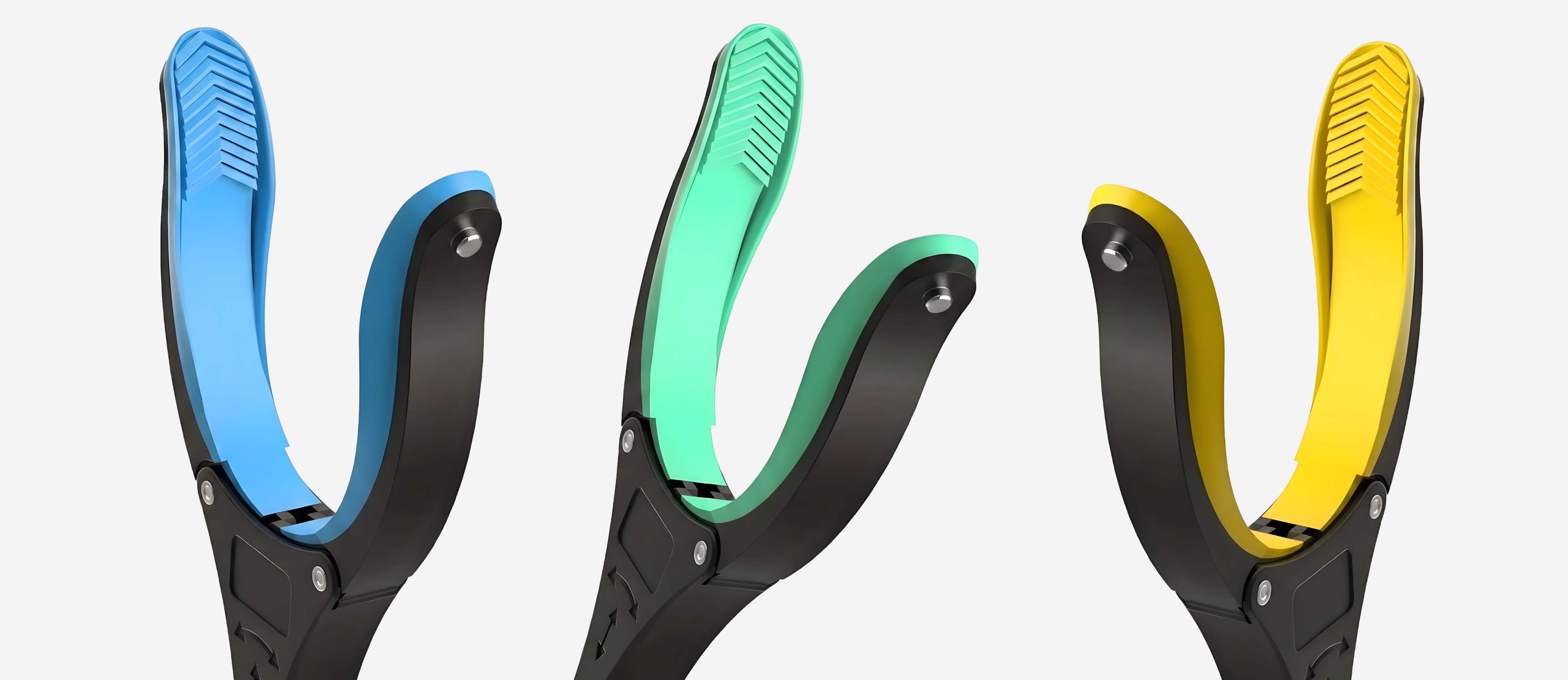
Direct answer: spine fusion no-bending and no-twisting protocols make the GrabbersTool 43 inch Reacher Grabber the most critical single adaptive tool: floor retrieval without any spinal flexion, and reaching without twisting. The Standing Assist Tool addresses the log-roll rise required after lumbar fusion (arm assist reduces the spinal load of the seated-to-standing transition). The Electric Jar Opener and Electric Can Opener eliminate the torso rotation that manual jar opening typically produces.
Understanding the No-Bending and No-Twisting Restriction
Post-fusion movement restrictions typically prohibit:
- Flexion (bending forward): the primary restriction for lumbar fusion -- any forward bend loads the fusion site and can displace hardware
- Rotation (twisting): torsional load on the fusion levels -- reaching across the body, turning to reach a sink, rotating in a chair
- Extension (bending backward): less commonly prohibited but may be restricted for cervical fusion
- Lifting over the prescribed weight limit: typically 5-10 pounds in the early post-fusion period
Daily Tasks and Protocol Compliance
| Daily Task | Protocol Violation Risk | Adaptive Solution |
|---|---|---|
| Picking up dropped items from floor | Critical -- direct spinal flexion violation | 43 inch Reacher Grabber from standing, no bend |
| Jar opening | Moderate -- rotation of torso during twist effort | Electric Jar Opener -- no rotation required |
| Can opening | Moderate -- arm rotation may involve torso | Electric Can Opener |
| Rising from chair | Moderate -- lumbar extension and load during rise | Standing Assist Tool with arm assist |
| High shelf access | Low-Moderate -- extension may be restricted | 43 inch Reacher without overhead arm elevation |
The 43 inch Reacher Grabber specifications are on the product page. View specifications
The Log-Roll Rise and Standing Assist
After lumbar fusion surgery, patients are taught the log-roll technique for rising from bed and seated positions: the spine is kept neutral throughout the movement, without flexion. Rising from a chair using the log-roll technique requires pushing off with both arms -- which is where the standing assist tool is most useful. It provides a stable pushing surface at the appropriate height for the arm-assist portion of the protocol-compliant rise. Without the arm push-off support, patients instinctively flex the lumbar spine to initiate rising from seated -- exactly what the protocol prohibits.
Cervical Fusion Adaptations
Cervical spine fusion (neck) restrictions differ from lumbar: no looking down, no flexing the neck, typically no lifting. The reacher application is different: floor retrieval is managed by bending at the knees (if cleared) or using the reacher while keeping the neck neutral. Cervical fusion patients should have their specific restrictions confirmed by the surgical team -- the general principles here apply to lumbar fusion, and cervical adaptations require surgeon-specific guidance.
Before Surgery: The Optimal Preparation Window
Spine fusion patients have a known surgery date and a predictable post-operative restriction period. Setting up the adaptive tool environment before surgery -- not after -- is the optimal approach. The tools should be in place, tested, and familiar before the procedure so that the patient returns home to a prepared environment rather than improvising during the restriction period. GrabbersTool recommends ordering adaptive tools 1-2 weeks before a scheduled spine fusion to allow setup and pre-surgery familiarization.
See also: Spondylitis and Daily Living: Adaptive Tools for Fused Spine and Reduced Flexibility and Sciatica and Adaptive Tools: Managing Sitting Pain and Daily Living.
Browse Reacher Grabber Tools, Ergonomic Mobility, and Easy Grip Kitchen Openers.


