

Type 2 diabetes creates a multi-layered adaptive tool need that is often unrecognized because the condition itself is not typically framed as a mobility-limiting diagnosis. The layers: peripheral neuropathy reduces fine motor precision and grip reliability; obesity-related joint loading (particularly knee and ankle OA) limits bending and walking; diabetic fatigue affects sustained physical effort; and hypoglycemic episodes create acute periods of weakness and coordination impairment. GrabbersTool sees type 2 diabetes as a common background condition among customers whose stated reason for purchase is something else -- knee arthritis, neuropathy, back pain -- but whose underlying metabolic condition is a unifying factor.
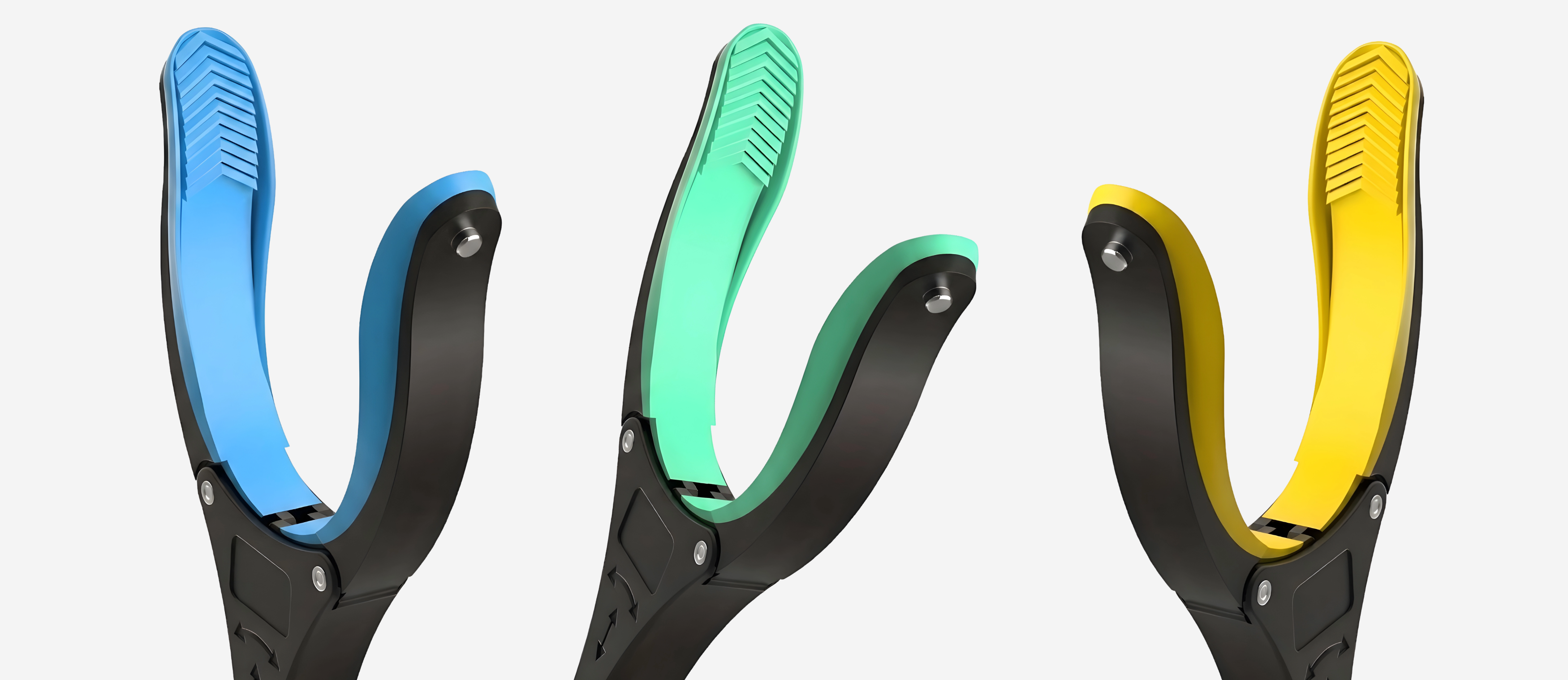
Direct answer: for type 2 diabetes with peripheral neuropathy, the most important adaptive tools are the Electric Jar Opener and Electric Can Opener (neuropathy-related grip unreliability makes sustained rotational force unpredictable), and the 5-in-1 Multi-Opener for smaller packaging. For patients with obesity-related joint pain and limited bending, the Reacher Grabber is essential for floor-level retrieval. The Walking Cane is relevant for patients with both neuropathic gait instability and lower extremity joint pain.
Type 2 Diabetes Complications and Adaptive Tool Implications
| Diabetes Complication | Functional Impact | Adaptive Tool Response |
|---|---|---|
| Peripheral neuropathy (hands) | Reduced grip sensation; grip force unreliable; dropping items; fine motor impaired | Electric Jar Opener; Electric Can Opener; 5-in-1 Multi-Opener -- no sustained grip required |
| Peripheral neuropathy (feet/legs) | Gait instability; loss of proprioception; fall risk; Charcot foot in severe cases | Walking Cane for balance; reacher to avoid bending that destabilizes |
| Obesity-related knee/ankle OA | Bending and floor-level tasks painful; sustained standing limited; chair-to-stand difficult | Reacher for floor tasks; Standing Assist Tool; Walking Cane |
| Diabetic fatigue | Energy budget limited; sustained physical tasks deplete quickly | Electric openers conserve upper extremity energy; reacher reduces bending exertion |
| Hypoglycemic episodes | Acute weakness, confusion, tremor; tool use impaired during episode | Simple, one-button tools that require minimal coordination; easy-to-reach food access |
Full specifications for all GrabbersTool products are on the product pages. View Electric Jar Opener specifications.
Diabetic Neuropathy and the Grip Reliability Problem
Diabetic peripheral neuropathy affecting the hands creates a specific problem that is distinct from low grip strength: grip unreliability. A patient with neuropathy may have adequate grip strength on a dynamometer measurement but find that their hand releases a grip unpredictably, or that they cannot sense how tightly they are holding an object, or that the coordination to sustain a twist-and-hold motion for jar opening fails partway through. Electric openers address this category of impairment more effectively than ergonomic grip aids, because they remove the sustained grip-coordination requirement entirely. The person presses one button; the device executes the task. GrabbersTool customers with diabetic neuropathy describe this as the essential difference: the electric jar opener is not just easier, it is reliable in a way that no grip-assisted manual opener can be when sensation and coordination are impaired.
Type 2 Diabetes and the Long Arc of Progressive Limitation
Unlike post-surgical recovery or acute injury, type 2 diabetes typically creates a gradually increasing adaptive tool need over years or decades. Early-stage type 2 diabetes with well-controlled glycemia may produce no functional limitation. As the condition progresses -- particularly if glycemic control is difficult to achieve or maintain -- neuropathy, retinopathy, and musculoskeletal complications accumulate. GrabbersTool customers with type 2 diabetes who have had the condition for more than a decade often describe a gradual transition into adaptive tool use, with each tool added as a specific complication created a specific new barrier. Anticipating this trajectory and building an adaptive tool kit incrementally is generally more effective than waiting until a crisis -- a dropped object, a fall, an inability to open necessary medication packaging -- drives urgent purchase. See also: Type 1 Diabetes and Adaptive Tools Guide.
Browse Easy Grip Kitchen Openers, Reacher Grabber Tools, and Ergonomic Mobility Solutions.


