

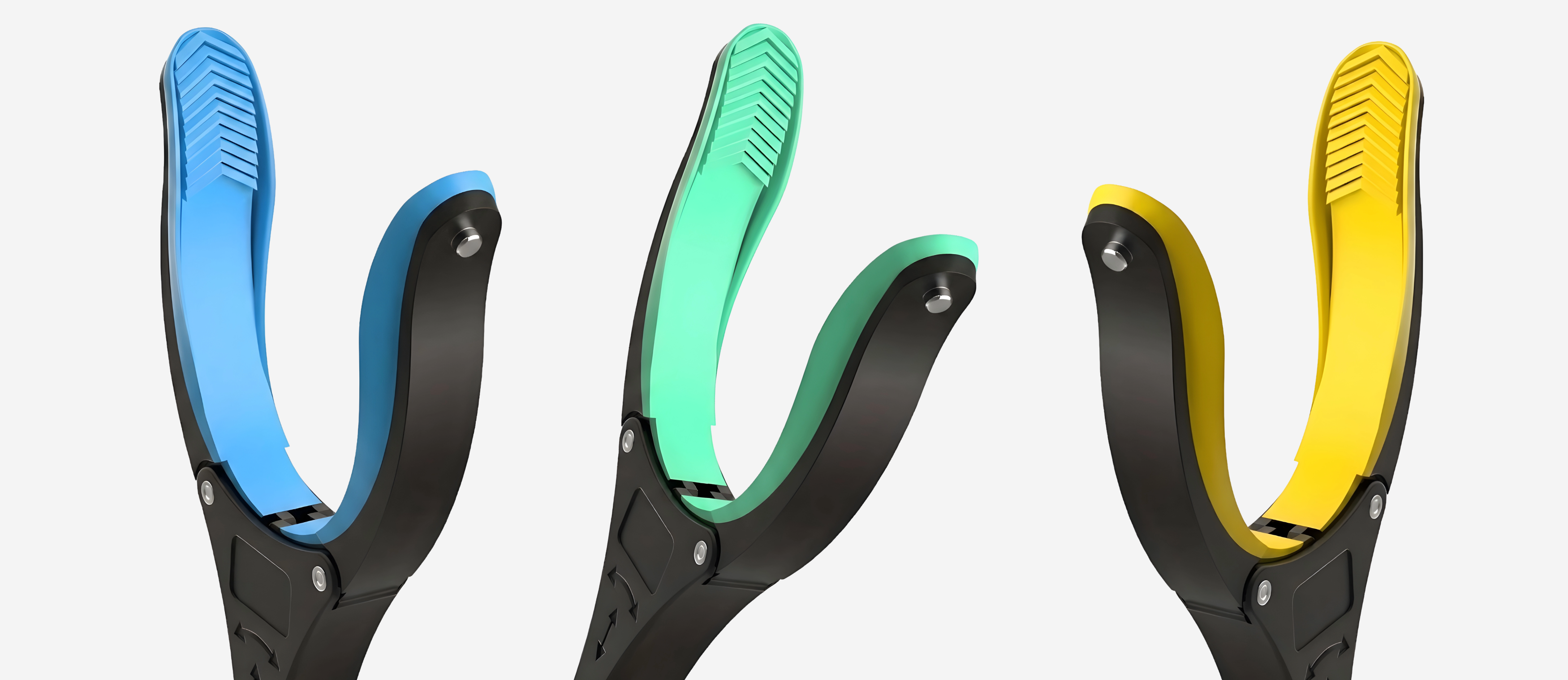
The fastest way to lose trust in a tool is to be sold it for a job it cannot do. The GrabbersTool support team would rather tell someone a reacher grabber is the wrong choice than have them buy one that disappoints. A reacher is superb at a specific job -- extending reach to retrieve objects -- but it is not a universal answer to every reaching, lifting, or mobility problem. Knowing where it stops is as important as knowing where it excels.
Direct answer: A reacher grabber is the wrong tool when the task requires heavy lifting, body-weight support, precise two-handed manipulation, or when the underlying problem is balance or strength rather than reach. In those cases a cart, a grab bar, a proper lifting aid, or a therapy assessment is the right answer. The GrabbersTool Reacher is built for reach, not for these jobs -- and honesty about that is the point of this guide.
Where a Reacher Grabber Is the Wrong Tool
| The Task | Why a Reacher Fails | The Right Tool Instead |
|---|---|---|
| Lifting heavy objects | A reacher is rated for everyday light items; heavy loads strain the jaw and cable and exceed its grip | A wheeled cart, a trolley, or asking for help -- not a reacher |
| Supporting your body weight | A reacher is a retrieval tool, never a support; leaning on it risks a fall | Grab bars, a cane, a walker, or a standing-assist aid |
| Precise two-handed tasks | The single jaw cannot replace the coordinated control of two hands | Adaptive two-handed tools, stabilizing boards, or caregiver help |
| A balance or strength problem | If the real issue is unsteadiness or weakness, extending reach does not address it | Physical therapy, a mobility aid, and a proper assessment |
The honest boundaries of what a reacher can hold and do are documented on the GrabbersTool Reacher page and across the reacher grabber collection.
Where a Reacher Grabber Is Exactly Right
To be clear about the other side: a reacher is the correct, often ideal tool when the problem is genuinely reach. Retrieving dropped items without bending, accessing high or low storage without climbing or stooping, dressing without hip flexion after surgery, and reducing the fall-risk reaching and bending that cause injuries -- these are precisely what it is built for.
- Reach without bending or climbing: the core job of the 32-inch Reacher.
- No-bending recovery (hip and knee surgery): the 43-inch Reacher.
- Grip and jar opening, which a reacher does not solve: pair with the Electric Jar Opener.
How to Tell Which Side of the Line You Are On
- Ask what the real problem is. If it is reaching, a reacher fits. If it is balance, strength, or lifting, it does not.
- Ask what you will lift. Everyday light items -- yes. Heavy or oversized loads -- no.
- Ask if you need support. A reacher never supports the body; that is a grab bar or cane job.
- When in doubt, get assessed. An occupational therapist can match the tool to the actual limitation.
The Honest Rule
Buy a reacher grabber for reach, and buy the right tool for everything else. A reacher used for its actual purpose is one of the most valuable adaptive tools you can own; used for the wrong job, it disappoints. Matching the tool to the real problem is the whole point. See the GrabbersTool Reacher and the full reacher grabber collection for what it does best.


