

The bathroom presents the highest fall risk per minute spent in it of any room in the home — wet surfaces, confined space, and the combination of balance-challenging posture changes (sitting, standing, stepping over a tub edge) in a room sized around a person who can perform all of those actions without assistance. Full accessible bathroom renovation — roll-in shower, raised toilet, widened doorway — is the complete solution and costs $10,000–$40,000. The non-structural approach addresses 70–80% of the daily safety and access problems for a fraction of that cost.
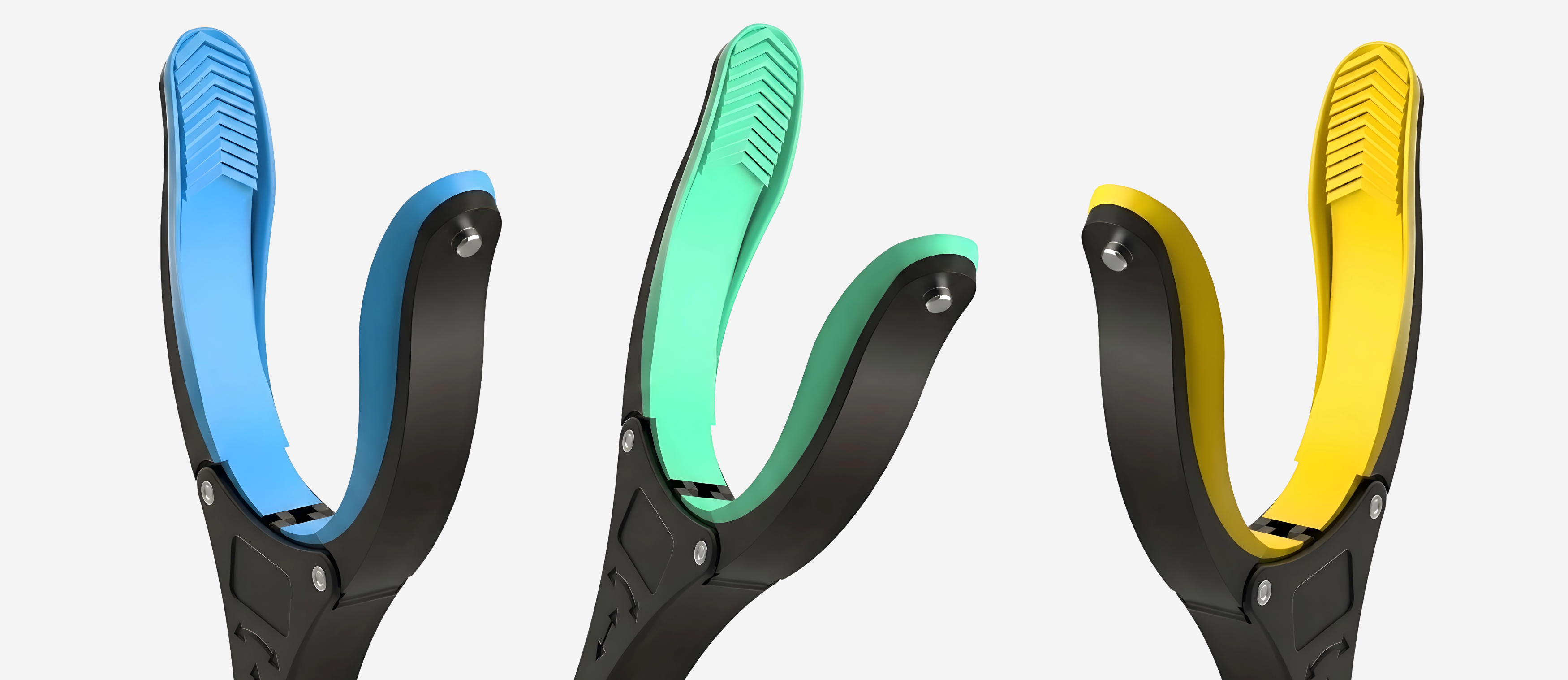
Direct answer: the highest-impact non-structural bathroom adaptations are: grab bars at the toilet and shower (wall-mounted, rated for body weight — $30–$80 each plus installation), a shower chair or bench (eliminates standing on wet surfaces — $35–$60), a non-slip mat inside the shower, and a raised toilet seat (reduces hip and knee flexion requirements — $30–$50). A reacher grabber stored in the bathroom handles the floor-level retrieval tasks that arise in the bathroom context without bending. The GrabbersTool 32" Reacher is suitable for bathroom use; it handles dropped items, towel management, and assists with footwear management in the seated dressing position.
The Bathroom Fall Risk: What Makes It the Highest-Risk Room
- Wet surfaces: water on a smooth floor or tub surface reduces friction dramatically; even non-slip surfaces become less reliable when wet
- Postural transitions: sitting, standing, stepping over a tub edge, and stepping out of the shower all involve balance-challenging transitions in a confined space
- Confined space: limited room to maneuver means there are fewer stable surfaces to grab if balance is lost
- Lack of furniture: unlike the living room or kitchen, the bathroom has few stable pieces of furniture to grab; the towel rail is not a safe grab bar and should not be used as one
- Nighttime use: night vision, disorientation, and medication effects compound the risk for nighttime bathroom trips
The Non-Structural Modification Hierarchy
| Modification | Risk Addressed | Cost | Installation Required? |
|---|---|---|---|
| Grab bar at toilet | Rising from toilet — highest-frequency transfer | $40–$100 + installation | Yes — wall-mounted |
| Grab bar inside shower/tub | Wet surface transfer in and out | $30–$80 + installation | Yes — wall-mounted |
| Non-slip mat (shower/tub floor) | Slipping on wet surface during bathing | $15–$40 | No — suction cup adhesion |
| Shower chair | Eliminates standing-on-wet-surface requirement | $35–$70 | No — placed inside shower |
| Raised toilet seat | Knee/hip angle during sitting; easier rising | $30–$60 | No — clips to toilet |
| Non-slip bath mat (floor) | Wet footprint on floor after shower | $15–$30 | No — placed on floor |
| Reacher grabber in bathroom | Floor retrieval without bending; footwear assistance | $35.99 | No — stored in bathroom |
| Nightlight (motion-activated) | Nighttime navigation to bathroom | $10–$25 | No — plug-in socket |
GrabbersTool's reacher products for bathroom use — jaw material, handle grip, and cleaning compatibility — are detailed on the product pages. The non-porous aluminum and rubber construction is appropriate for a humid bathroom environment with regular damp-cloth cleaning. View 32" Reacher specifications →
Grab Bar Installation: The Most Important Non-Cosmetic Change
Grab bars are the single most effective fall prevention modification for the bathroom. The reason they are often not installed: the perception that installation requires a contractor, is permanent, and involves wall damage.
Modern suction-cup grab bars — pressure-mounted without screws — are available and work for users who do not need full weight-bearing support from the bar. However, for users who need the bar to support their full body weight during a transfer (which is most users for whom the bar matters), only wall-anchored bars in structural framing are reliable. This does require installation — but it is a 30-minute task for a handyperson and does not require a contractor for a standard tiled wall with accessible studs.
The placement that matters most: at toilet height (typically 75–80cm from floor) on the wall beside the toilet, within reach from the seated position; and inside the shower or tub at a height that can be gripped from both standing and nearly-seated positions.
The Shower Chair: The Modification That Changes Everything
For users who find standing on a wet surface during showering a significant risk or challenge, a shower chair or bench is transformative. It converts showering from a balance-dependent, fall-risk activity to a seated activity with stable support. The adaptation required is primarily behavioral — showering seated feels different from showering standing — but the safety benefit is immediate and significant.
A shower chair also reduces fatigue during showering — relevant for users with COPD, heart failure, MS, or post-surgical energy limitations who may find standing for the duration of a shower exhausting.
The Reacher in the Bathroom: Specific Use Cases
A 32" reacher stored in the bathroom addresses several specific scenarios:
- Dropped items on the bathroom floor — phone, medication pill, razor, soap
- Towel retrieval from a low hook if the user is seated on the shower chair and the towel is beyond comfortable reach
- Shoe and sock management during dressing at the bathroom vanity or on the toilet seat
- Pulling the shower curtain while seated or standing at a distance from it
The bathroom reacher should be stored on a hook or in a dry container — not on the wet floor or in contact with the shower spray area. A wall hook at shoulder height in the dry zone of the bathroom keeps it accessible from both standing and seated positions.
When Structural Modification Becomes Necessary
Non-structural bathroom adaptation reaches its limit when: the doorway is too narrow for a wheelchair, the bathtub cannot be safely transferred over by any method, or the toilet and sink heights are so incompatible with the user's requirements that no add-on can compensate. At this point, structural assessment with an occupational therapist is the appropriate next step.
See also: How to Prevent Falls at Home: The Room-by-Room Assessment for the broader fall prevention framework, and How to Set Up a Hospital-Grade Recovery Room at Home for Under $300 for the complete room setup context.


