

Ataxia-telangiectasia (AT) is a rare autosomal recessive multi-system genetic disorder caused by mutations in the ATM (ataxia-telangiectasia mutated) gene, which encodes a kinase critical for DNA damage response. AT presents in early childhood (typically walking is affected by age 5) with progressive cerebellar ataxia, oculomotor apraxia (impaired voluntary eye movements, causing head thrusting to substitute for smooth pursuit), dysarthria, immunodeficiency (IgA, IgG subclass, and cellular immunity deficits), telangiectasias (dilated blood vessels on the conjunctiva and skin), and a markedly elevated cancer predisposition (particularly leukemia and lymphoma). Most AT patients become wheelchair-dependent by adolescence. AT is also a laboratory syndrome: elevated serum AFP (alpha-fetoprotein), elevated serum carcinoembryonic antigen (CEA), chromosomal instability, and radiation sensitivity (avoiding unnecessary radiation exposure, including CT scans, is recommended). Kitchen function in AT is primarily a caregiver challenge, as the cerebellar ataxia significantly impairs upper extremity coordination from early childhood. Dysmetria (inaccurate reaching), dysdiadochokinesia (impaired rapid alternating movements), and intention tremor make kitchen tasks involving hot liquids and sharp utensils hazardous.
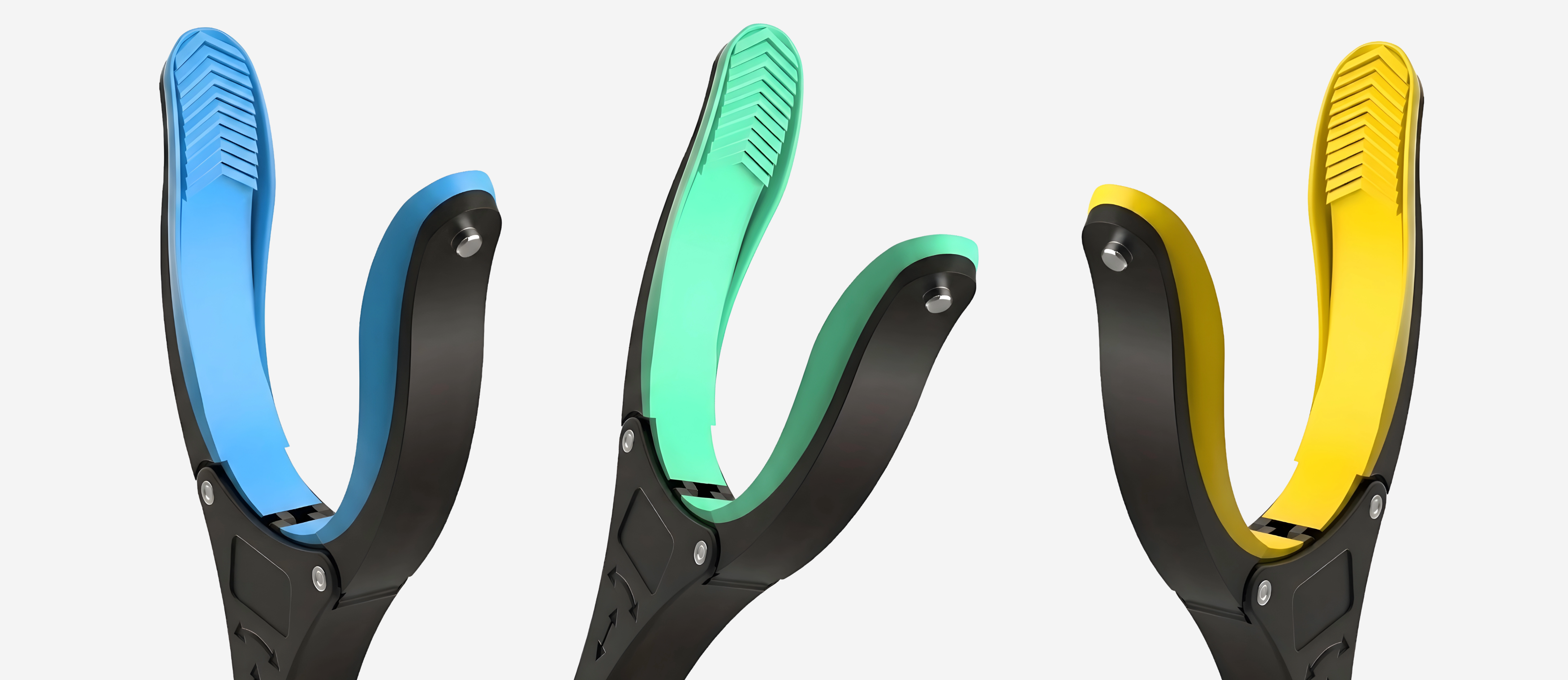
Direct answer: Ataxia-telangiectasia kitchen adaptive tools address cerebellar ataxia-related inaccuracy in kitchen reaching and grasping, immunodeficiency food safety requirements, and increasing wheelchair dependence. Weighted utensils may reduce ataxic limb oscillation. The GrabbersTool 32-inch Reacher is used by AT caregivers to retrieve items for the patient without requiring the AT patient to reach into hazardous kitchen areas.
Ataxia-Telangiectasia Kitchen Safety Strategy
| AT Feature | Kitchen Safety Risk | Safety Strategy |
|---|---|---|
| Progressive cerebellar ataxia (upper extremity dysmetria) | AT cerebellar ataxia causes intention tremor and dysmetria -- the AT patient overshoots or undershoots when reaching for kitchen items; inaccurate reaching for hot pots, knives, and heavy items creates burn and cut risk; dysdiadochokinesia impairs stirring and pouring accuracy; as AT progresses, upper extremity ataxia worsens and kitchen independence decreases; wheelchair transition typically in adolescence further changes kitchen access | Supervised or caregiver-assisted kitchen use in moderate-to-severe AT ataxia; weighted wrist cuffs (occupational therapist prescribed) may reduce ataxic upper extremity oscillation during kitchen tasks; heavy, stable plastic dishware rather than glass; avoid hot liquid kitchen tasks without supervision; reacher to retrieve items for the AT patient from a safe distance |
| Immunodeficiency (IgA, IgG subclass, cellular immunity) | AT immunodeficiency increases susceptibility to respiratory and gastrointestinal infections; food safety in the kitchen is critical for AT patients; raw or undercooked foods, cross-contamination, and poor kitchen hygiene pose increased infection risk for the immunodeficient AT patient | Strict kitchen food safety protocols for AT patients: cook meat and eggs thoroughly, separate raw and cooked food preparation surfaces, handwashing before food preparation; immunologist guidance on AT-specific dietary restrictions; avoid foods that are high-risk for the immunocompromised (raw sprouts, unpasteurized products, raw shellfish) |
| Cancer predisposition (leukemia, lymphoma) | AT patients have a 10-38% lifetime risk of malignancy; if the AT patient undergoes chemotherapy, the kitchen adaptive needs of CIPN and cancer treatment fatigue apply in addition to the baseline AT ataxia; radiation avoidance (including microwave use is safe -- microwave is not ionizing radiation, but CT scans and X-rays should be minimized) does not affect kitchen appliance use | If AT cancer treatment occurs, combine CIPN kitchen adaptations with existing AT ataxia adaptations; caregiver kitchen assistance increases during cancer treatment; electric jar opener for CIPN grip weakness added to existing AT kitchen adaptations |
See the 32-inch Reacher for ataxia-telangiectasia caregiver kitchen safety support.


