

Niemann-Pick disease type C (NPC) is a rare autosomal recessive lysosomal storage disorder caused by mutations in NPC1 (95%) or NPC2 (5%) genes, leading to impaired intracellular cholesterol and sphingolipid trafficking. NPC causes progressive neurodegeneration with the pathognomonic finding of vertical supranuclear gaze palsy (VSGP -- inability to move the eyes vertically, especially downward, on command -- similar to PSP but in a much younger patient). NPC neurological features: cerebellar ataxia (progressive, causing gait and limb incoordination), dysarthria, dysphagia, cognitive decline progressing to dementia, and psychiatric symptoms (psychosis, depression) in adolescent-onset cases. The juvenile form (onset age 6-15) is most common; adult-onset NPC is increasingly recognized. Miglustat (NB-DNJ) is the only approved treatment (EMA-approved in Europe; not FDA-approved in the US for NPC) and may slow neurological progression. The vertical gaze palsy (cannot look down), cerebellar ataxia, and dysphagia create a specific kitchen safety risk profile similar to a combination of PSP (gaze palsy) and cerebellar ataxia in a young patient.
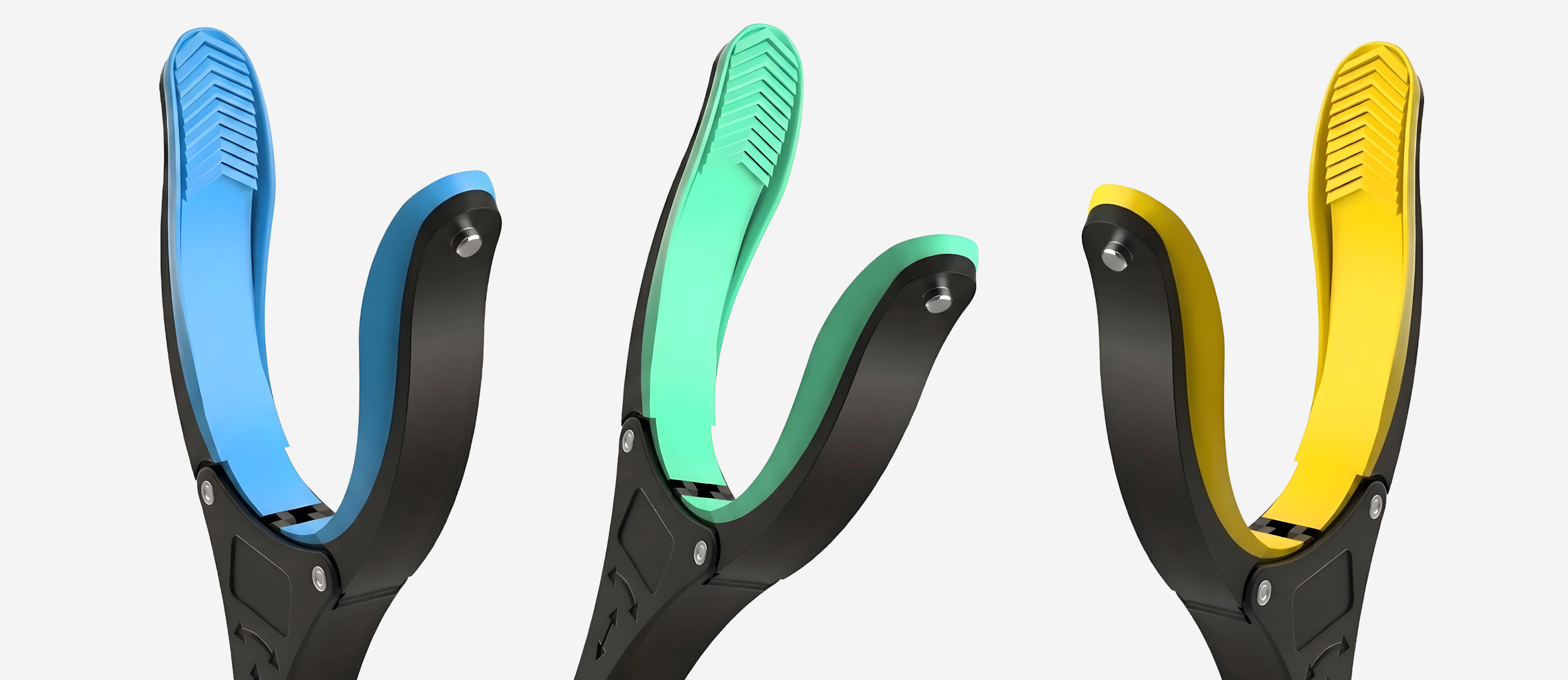
Direct answer: Niemann-Pick type C kitchen adaptive tools address the combination of vertical gaze palsy (cannot see the floor or low items), cerebellar ataxia (inaccurate reaching), and dysphagia (texture modification). The GrabbersTool 32-inch Reacher helps caregivers retrieve floor-level items for the NPC patient who cannot look down safely.
Niemann-Pick Disease Type C Kitchen Safety Strategy
| NPC Feature | Kitchen Safety Risk | Caregiver Strategy |
|---|---|---|
| Vertical supranuclear gaze palsy (VSGP -- cannot look down) | NPC VSGP means the patient cannot look downward on command; cannot see the kitchen floor (fall hazard), low kitchen obstacles, or food on a low surface; similar functional deficit to PSP vertical gaze palsy but occurring in children and adolescents; kitchen falls from not seeing low obstacles are a specific VSGP kitchen risk | Remove all floor-level kitchen hazards; reacher for low-level item retrieval (caregiver uses the reacher to retrieve items the NPC patient cannot see to pick up safely); bright kitchen lighting; NPC patient should not approach low items without caregiver assistance; occupational therapist assessment for NPC VSGP kitchen safety |
| Cerebellar ataxia (limb dysmetria and truncal instability) | Progressive cerebellar ataxia in NPC causes inaccurate reaching, grasping errors, and truncal instability during kitchen standing; hot liquids and sharp utensils become hazardous as ataxia progresses; dysmetria means the NPC patient reaches past or short of kitchen items; progression means kitchen safety must be re-evaluated regularly | Caregiver supervision for hot and sharp kitchen tasks; seated kitchen preparation when ataxia progresses; plastic rather than glass kitchen items; weighted utensils (occupational therapist prescribed) may reduce upper extremity ataxic oscillation; regular occupational therapist review of NPC kitchen adaptations as ataxia progresses |
| Progressive dysphagia | NPC dysphagia is one of the most dangerous and life-threatening late features; aspiration pneumonia from dysphagia is a leading cause of death in NPC; progressive dietary texture modification required; kitchen food preparation must produce dysphagia-safe texture-modified foods as NPC progresses | Speech-language pathologist texture modification recommendations at each NPC disease stage; progressive kitchen food preparation techniques (minced and moist, pureed, eventually enteral nutrition); blender and food processor for texture modification preparation; aspiration precautions during meals (upright position, small bites, thin liquids avoided) |
See the 32-inch Reacher for Niemann-Pick type C caregiver kitchen safety support.


