

Bladder cancer is the sixth most common cancer in the United States, with muscle-invasive bladder cancer (MIBC) requiring radical cystectomy (surgical removal of the bladder) with urinary diversion as the standard curative treatment. Radical cystectomy is one of the most complex abdominal urological procedures, involving removal of the bladder (and in males, the prostate; in females, the uterus and anterior vaginal wall), pelvic lymph node dissection, and creation of a urinary diversion -- either an ileal conduit (incontinent diversion using a loop of small bowel to drain urine through a stoma into a bag), a continent cutaneous diversion (Indiana pouch -- catheterized through a stoma), or an orthotopic neobladder (intestinal reservoir connected to the native urethra for voiding). The surgical recovery from radical cystectomy is prolonged (4-6 weeks before returning to light activity, 6-8 weeks until most activity), involves a midline abdominal incision, and requires significant lifestyle adjustment for stoma management or neobladder catheterization protocols. Kitchen function during recovery is limited by the midline incision pain, lifting restrictions (no lifting greater than 10 lbs for 6 weeks), and the new urinary management requirements that occupy significant daily time and attention.
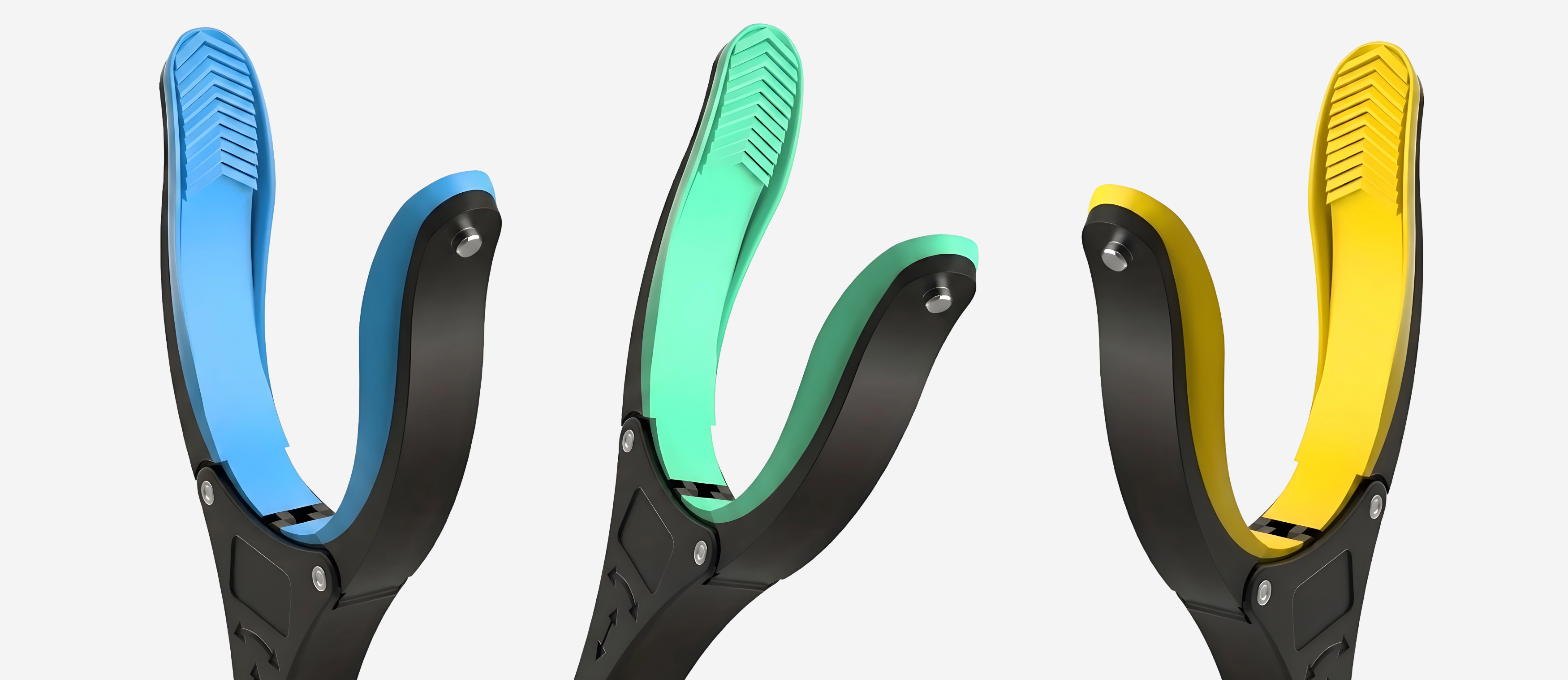
Direct answer: Radical cystectomy kitchen adaptive tools address the prolonged abdominal recovery: the reacher eliminates floor-level bending over the healing midline abdominal incision, and the electric jar opener reduces abdominal wall tension from jar-opening effort. The GrabbersTool 32-inch Reacher is the most important tool for cystectomy recovery kitchen independence during the 6-8 week restriction period.
Cystectomy Recovery Kitchen Adaptive Strategy
| Cystectomy Recovery Challenge | Kitchen Impact | Adaptive Solution |
|---|---|---|
| Midline incision pain and healing (6-8 weeks) | Large midline laparotomy incision (navel to pubis or supraumbilical) causes severe pain with any abdominal wall tension: bending, coughing, lifting, and twisting all cause incision pain; floor-level bending is particularly painful; healing requires 6-8 weeks before full activity; open incision heals more slowly than laparoscopic | 32-inch reacher (GrabbersTool) for all floor-level kitchen item retrieval without bending; electric jar opener to eliminate abdominal wall tension of jar-opening; slide items on counter rather than lifting; caregiver kitchen assistance for first 4-6 weeks post-cystectomy |
| Lifting restriction (10 lbs for 6 weeks) | 10 lbs limit is less than a full gallon of water (8.3 lbs), a bag of potatoes, or most filled pots; heavy kitchen items all exceed 10 lbs; normal kitchen cooking is restricted; patient cannot carry heavy items for 6 weeks | Lightweight cookware; smaller portions to reduce pot weight; grocery delivery; caregiver kitchen assistance for heavy items; electric jar opener within safe effort range during restriction period |
| Ileal conduit stoma management (lifetime) | Ileal conduit stoma and urostomy bag require daily management that does not directly affect kitchen function but adds to overall ADL burden; bag drainage, pouch changing, and skin care around the stoma add time and cognitive burden; kitchen time management adjusts around stoma care routines | Integrated daily schedule with stoma care and kitchen preparation; simplified meal preparation to fit available kitchen time after stoma management; consistent routine for both stoma care and kitchen tasks; ostomy nurse support for stoma management optimization |
See the 32-inch Reacher and Electric Jar Opener for bladder cancer cystectomy recovery kitchen independence.


