

Vestibular disorders are conditions affecting the inner ear balance organ (labyrinth) or its central connections, causing vertigo (the sensation of spinning or movement when stationary), oscillopsia (visual instability during head movement), and postural instability. Common vestibular disorders include benign paroxysmal positional vertigo (BPPV -- calcium carbonate crystals displaced into the semicircular canals causing brief intense positional vertigo with head position changes), Meniere disease (endolymphatic hydrops causing episodic vertigo, fluctuating hearing loss, tinnitus, and ear fullness), vestibular neuritis/labyrinthitis (acute unilateral labyrinthine failure causing severe prolonged vertigo, usually post-viral), and bilateral vestibular hypofunction (from gentamicin ototoxicity, meningitis, or other causes, causing oscillopsia and gait instability). Kitchen function is significantly impaired by vestibular disorders: the head movements required during kitchen tasks (looking up to overhead shelves, looking down at the stovetop, rapid head turns) provoke vertigo in BPPV; Meniere episodes can begin unexpectedly during kitchen tasks; vestibular-impaired patients have significantly higher fall risk during kitchen activities, particularly when looking up or bending, which are required for many kitchen tasks.
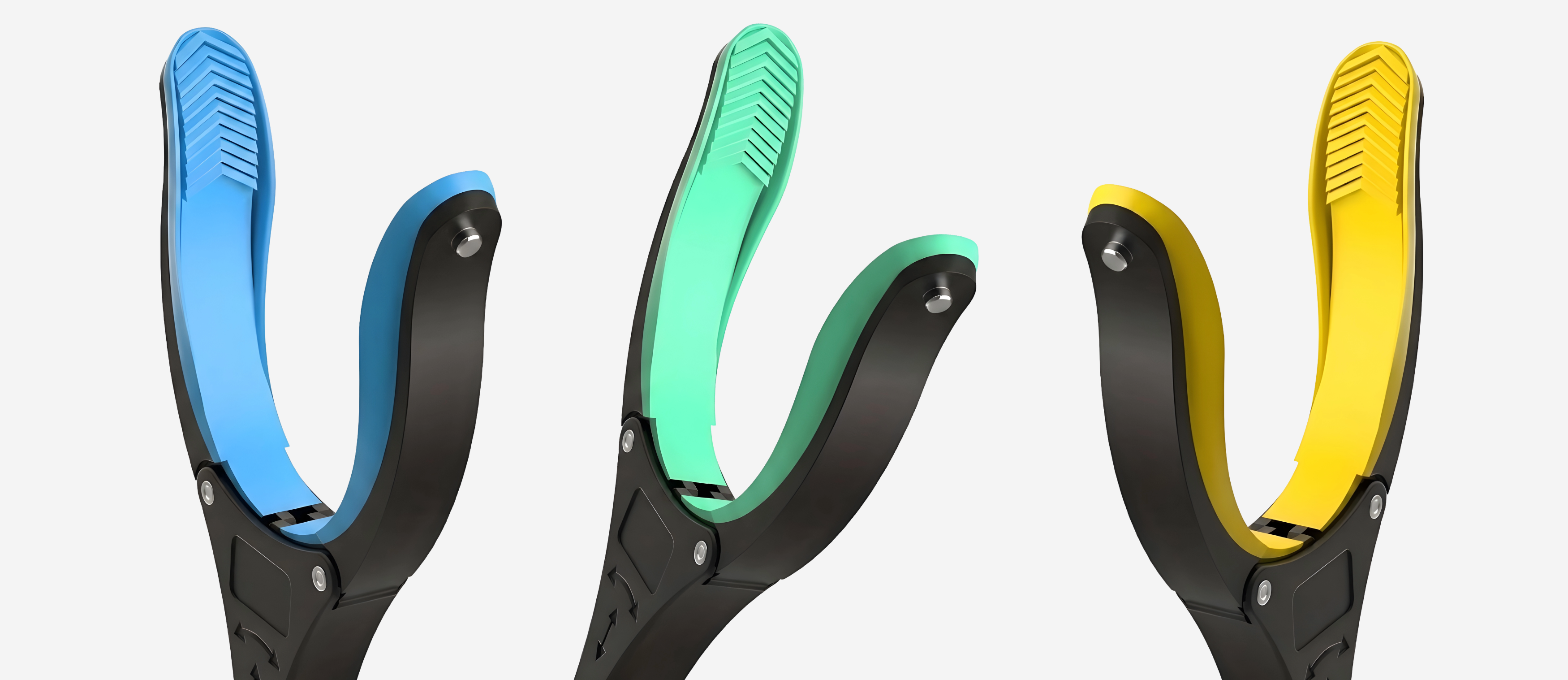
Direct answer: Vestibular disorder kitchen adaptive tools reduce the head movements that provoke vertigo and minimize fall risk during kitchen tasks. The 43-inch reacher is the most important vestibular disorder kitchen tool: it allows overhead kitchen shelf access without the head-back-and-up movement that reliably triggers BPPV. The GrabbersTool 43-inch Reacher prevents the overhead head extension that triggers vestibular symptoms in BPPV patients.
Vestibular Disorder Kitchen Safety Strategy
| Vestibular Condition | Kitchen Vertigo Trigger | Adaptive Kitchen Solution |
|---|---|---|
| BPPV (positional vertigo) | Head extension (looking up to overhead shelves), head flexion (looking down at stovetop), and rapid head turns provoke brief intense vertigo in BPPV; BPPV affects the posterior canal in 90% of cases -- head extension is the most reliably provoking position; looking up to reach a high kitchen shelf commonly triggers BPPV symptoms | 43-inch reacher for overhead kitchen shelf access -- keeps head in neutral position; minimize all head extension movements during kitchen tasks; canalith repositioning maneuvers (Epley) performed by vestibular PT reduce BPPV; reorganize kitchen to avoid overhead reach |
| Meniere disease (episodic vertigo) | Meniere attacks are unpredictable -- full rotatory vertigo, nausea, vomiting lasting 20 minutes to hours; onset during kitchen tasks near hot stove or during knife use is dangerous; prodrome symptoms (aural fullness, low-frequency tinnitus change) may allow brief warning before attack | Induction cooktop with auto-shutoff for Meniere kitchen safety; always have a stable surface to hold during kitchen tasks; leave kitchen immediately at first Meniere prodrome symptoms; do not cook alone during high-Meniere-risk periods (after known triggers) |
| Bilateral vestibular hypofunction | Bilateral vestibular loss causes constant gait unsteadiness and oscillopsia (the world bounces with each step); highly unstable kitchen navigation; walking between kitchen zones causes visual disturbance; fall risk is continuous | Walker or cane for all kitchen navigation; anti-slip flooring; grab bars at key kitchen positions; reacher for floor items to avoid bending with loss of vestibular fall correction; seated cooking option; vestibular rehabilitation PT |
See the 43-inch Reacher and 32-inch Reacher for vestibular disorder kitchen fall prevention and trigger avoidance.


