

Chronic inflammatory demyelinating polyneuropathy (CIDP) is an acquired immune-mediated demyelinating neuropathy -- essentially the chronic counterpart of Guillain-Barre syndrome, defined by a progressive or relapsing course over at least 8 weeks (distinguishing it from the acute, monophasic GBS). CIDP causes: symmetric proximal AND distal weakness (a distinctive feature -- CIDP characteristically involves both proximal and distal muscles, unlike most neuropathies which are distal-predominant); large-fiber sensory loss (impaired proprioception and vibration causing sensory ataxia); areflexia or hyporeflexia; and cranial nerve involvement in some cases. The demyelinating pathophysiology (immune attack on peripheral nerve myelin) causes conduction block and slowed conduction on nerve conduction studies, which is the electrodiagnostic hallmark. CIDP is treatable and often responsive to immunotherapy: IVIg (first-line, often given as maintenance infusions), corticosteroids, plasma exchange, and steroid-sparing immunosuppressants (for refractory cases). CIDP course is variable: some patients have a monophasic course, others relapsing-remitting, and others chronic progressive. With treatment, many CIDP patients maintain good function, but relapses cause recurrent weakness, and some develop chronic residual deficits. Kitchen function in CIDP is affected by proximal weakness (shoulder and hip girdle affecting kitchen reach and mobility), distal weakness (hand grip for kitchen tasks and foot drop for kitchen gait), sensory ataxia (coordination and balance in the kitchen), and fatigue.
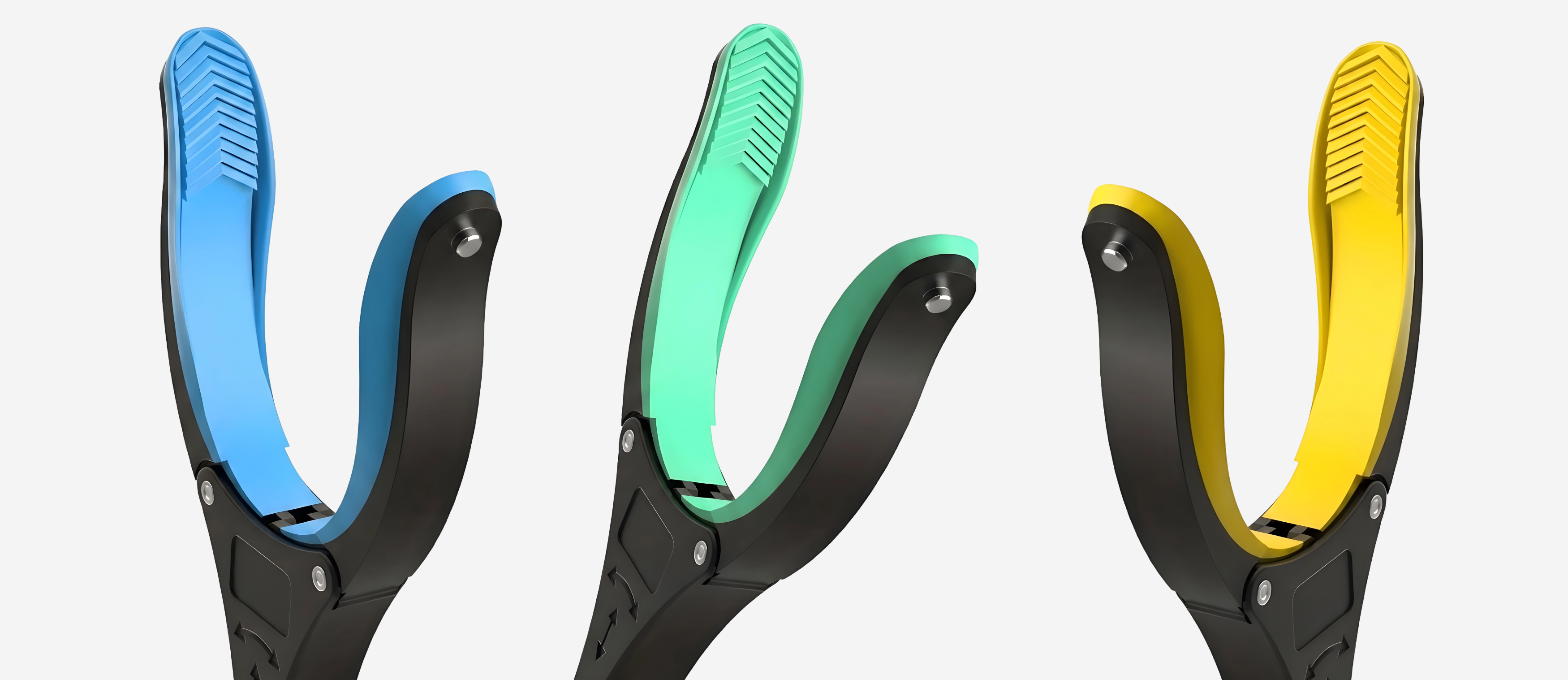
Direct answer: CIDP kitchen adaptive tools address the combined proximal and distal weakness distinctive to CIDP: reacher for proximal shoulder weakness and electric opener for distal hand weakness, plus balance and fatigue accommodations. The GrabbersTool 32-inch Reacher compensates for CIDP proximal shoulder weakness and the Electric Jar Opener compensates for CIDP distal hand grip weakness.
CIDP Kitchen Adaptive Strategy
| CIDP Feature | Kitchen Impact | Adaptive Solution |
|---|---|---|
| Combined proximal and distal weakness in CIDP | CIDP is distinctive in causing both proximal weakness (shoulder girdle -- limiting kitchen overhead reach; hip girdle -- limiting kitchen sit-to-stand and standing) and distal weakness (hand grip -- limiting kitchen jar and utensil tasks; foot drop -- causing kitchen gait instability); this combined pattern means CIDP patients need adaptive tools addressing both the proximal reach/mobility limitations and the distal grip/gait limitations; CIDP weakness fluctuates with disease activity -- relapses cause increased weakness requiring more adaptive support, while treatment response improves function; the combined proximal-distal CIDP pattern is more functionally comprehensive than pure distal neuropathies | Reacher grabber (GrabbersTool) for CIDP proximal shoulder weakness limiting kitchen overhead reach; electric jar opener (GrabbersTool) for CIDP distal hand grip weakness; kitchen chair with armrests for CIDP hip girdle weakness sit-to-stand; lightweight kitchen tools for combined CIDP weakness; AFO for CIDP foot drop kitchen gait; comprehensive OT kitchen assessment for CIDP addressing both proximal and distal deficits; adaptive tool needs adjust with CIDP relapse and remission cycles |
| Sensory ataxia and balance in the CIDP kitchen | CIDP large-fiber sensory loss impairs proprioception (position sense) and vibration sense, causing sensory ataxia -- an unsteady, incoordinated gait that worsens without visual guidance (the Romberg sign is positive; balance is much worse in the dark or with eyes closed); kitchen sensory ataxia causes: unsteady kitchen standing and walking (fall risk), impaired fine motor coordination for kitchen tasks (reaching accuracy affected by proprioception loss), and difficulty with kitchen tasks in low light; CIDP hand sensory loss reduces tactile feedback for kitchen knife and utensil use; sensory ataxia is a significant kitchen safety concern independent of the motor weakness | Adequate kitchen lighting to maximize visual compensation for CIDP sensory ataxia (visual guidance substitutes for lost proprioception); non-slip kitchen floor surfaces for CIDP sensory ataxia gait instability; kitchen counter or rail handholds for CIDP balance support during kitchen navigation; visual attention to kitchen knife use (compensating for reduced tactile feedback from CIDP hand sensory loss); seated kitchen preparation to reduce CIDP sensory ataxia standing balance demand; physical therapy for CIDP balance training and sensory ataxia compensation strategies |
| CIDP fatigue, relapses, and treatment considerations for kitchen function | CIDP fatigue is common and may be disproportionate to the motor weakness; kitchen endurance is limited by CIDP fatigue; CIDP relapses cause acute worsening of weakness that temporarily increases kitchen adaptive needs; CIDP treatment (IVIg maintenance infusions every few weeks) may cause fluctuating function -- some patients experience a wearing-off of IVIg benefit before the next infusion, with corresponding fluctuation in kitchen capability; corticosteroid treatment for CIDP has side effects (steroid myopathy, weight gain, glucose intolerance) that intersect with kitchen function and dietary management | Energy conservation kitchen strategies for CIDP fatigue: seated preparation, simple meals on high-fatigue days, batch cooking on higher-energy days; kitchen activity timing around IVIg infusion cycle (better function after recent IVIg infusion in patients with wearing-off phenomenon); increased adaptive tool reliance during CIDP relapses; kitchen dietary management for CIDP corticosteroid effects (low glycemic diet for steroid glucose intolerance; calcium and vitamin D for steroid bone protection); neurologist for CIDP treatment optimization to maintain kitchen function |
See the 32-inch Reacher and Electric Jar Opener for CIDP combined proximal and distal weakness kitchen support.


