

Guillain-Barre syndrome (GBS) is an acute immune-mediated polyneuropathy causing rapidly progressive symmetric weakness, typically ascending from the legs to the arms, with areflexia (loss of reflexes). GBS is most commonly triggered by an antecedent infection (Campylobacter jejuni gastroenteritis is the most common; also cytomegalovirus, Epstein-Barr virus, Mycoplasma, Zika, and rarely vaccination) that induces molecular mimicry -- antibodies against the pathogen cross-react with peripheral nerve myelin or axons. Subtypes: acute inflammatory demyelinating polyneuropathy (AIDP, most common in Western countries); acute motor axonal neuropathy (AMAN); acute motor-sensory axonal neuropathy (AMSAN); and Miller Fisher syndrome (ophthalmoplegia, ataxia, areflexia). GBS progresses over days to 4 weeks, reaches a plateau (nadir), then gradually recovers over weeks to months (or longer for axonal subtypes). Severe GBS may require mechanical ventilation (respiratory muscle involvement) and ICU care. Treatment: IVIg or plasma exchange (both shorten recovery time). Recovery is typically good but incomplete in a substantial minority -- residual weakness, fatigue, and sensory symptoms persist in many GBS survivors. Kitchen function during GBS recovery evolves through phases: severe weakness at nadir (no kitchen function possible), gradual strength return during recovery (progressive kitchen reintroduction), and residual deficits (chronic adaptive needs in incompletely recovered GBS).
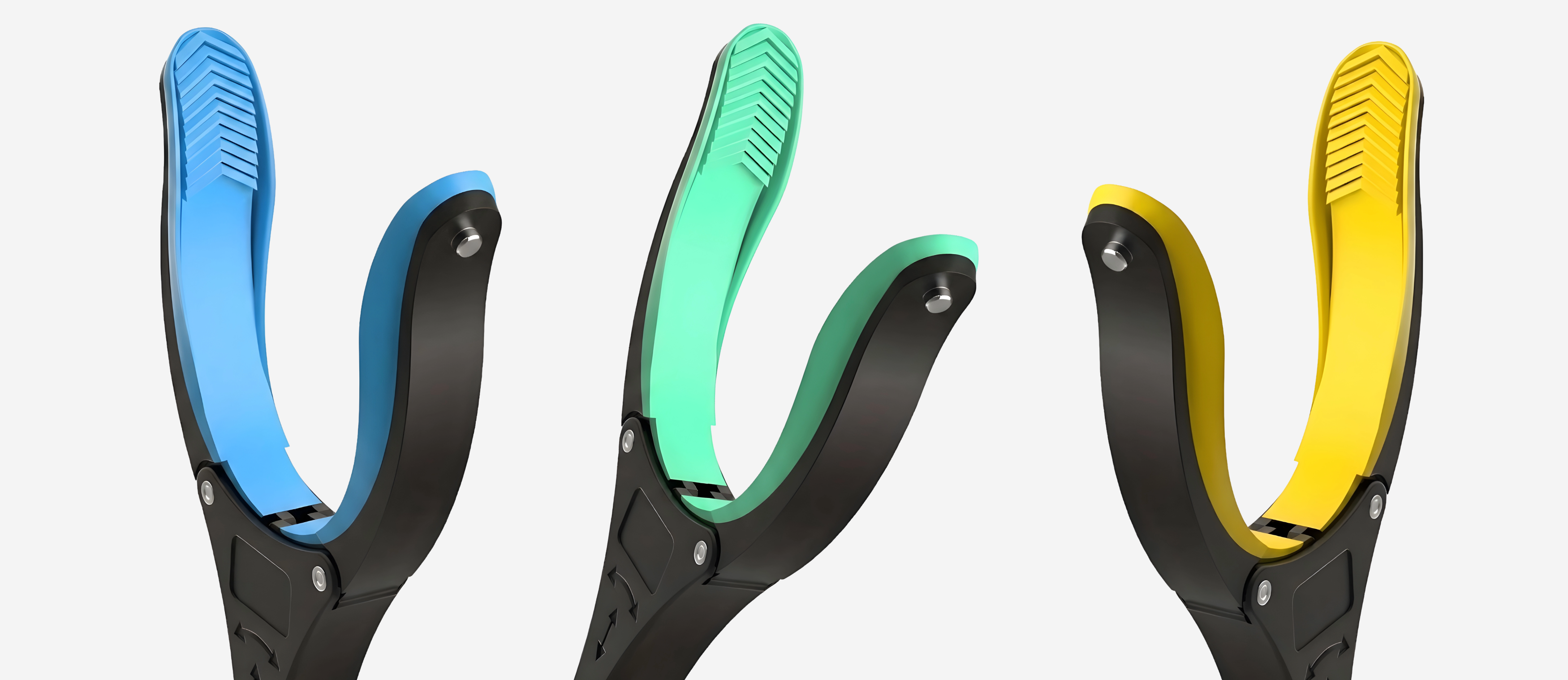
Direct answer: Guillain-Barre syndrome recovery kitchen adaptive tools evolve with recovery phase: during early recovery, electric appliances and reachers compensate for profound weakness; during progressive recovery, adaptive tools bridge returning function; residual GBS deficits may require permanent adaptive tools. The GrabbersTool Electric Jar Opener and 32-inch Reacher support GBS recovery kitchen function as strength gradually returns.
Guillain-Barre Syndrome Recovery Kitchen Adaptive Strategy
| GBS Recovery Phase | Kitchen Impact | Adaptive Solution |
|---|---|---|
| Early GBS recovery: profound residual weakness after nadir | After the GBS nadir (peak weakness), early recovery begins with the patient often still profoundly weak -- unable to grip kitchen items, stand at the counter, or perform any kitchen task independently; hospital and inpatient rehabilitation care predominates in this phase; upper extremity weakness impairs all kitchen hand tasks; lower extremity weakness prevents kitchen standing and mobility; sensory ataxia (from GBS sensory involvement) causes coordination problems even as strength begins to return; fatigue is profound; GBS early recovery kitchen function may be limited to supervised, seated, adaptive-equipment-assisted simple tasks during inpatient OT | Occupational therapy-directed kitchen retraining during GBS inpatient and outpatient rehabilitation; electric appliances (electric jar opener, food processor) to compensate for profound GBS grip weakness; seated kitchen preparation during GBS lower extremity weakness recovery; reacher grabber (GrabbersTool) for kitchen reach when GBS shoulder and proximal arm weakness limits reaching; caregiver kitchen assistance during the severe early GBS recovery phase; gradual increase in kitchen task independence guided by OT as GBS strength returns |
| Progressive GBS recovery: returning strength and functional reintroduction | GBS recovery is characteristically gradual and prolonged (weeks to over a year for full recovery, especially in axonal subtypes); strength returns in descending order (opposite of the ascending weakness onset) -- proximal muscles often recover before distal; hand grip strength (distal) may be the last kitchen-relevant function to return; the patient can progressively resume kitchen tasks as strength allows; overexertion during GBS recovery causes fatigue but does not harm nerve recovery (unlike post-polio syndrome, GBS recovery is not worsened by activity -- graded exercise is beneficial); kitchen tasks serve as functional rehabilitation during progressive GBS recovery | Progressive kitchen task reintroduction during GBS recovery as strength returns; adaptive tools bridge the recovery gap (electric jar opener while distal hand grip recovers; reacher while proximal shoulder strength returns); graded kitchen activity is beneficial GBS rehabilitation (functional kitchen tasks build strength and coordination); physical and occupational therapy guide the safe progression of kitchen independence; adaptive tools may be gradually discontinued as GBS function recovers (unlike permanent conditions) |
| Residual GBS deficits: chronic kitchen adaptive needs in incomplete recovery | A substantial minority of GBS survivors have permanent residual deficits: persistent distal weakness (foot drop, hand weakness), residual fatigue (GBS-related fatigue can be chronic and disabling even after motor recovery), residual sensory symptoms (numbness, neuropathic pain, and sensory ataxia), and reduced exercise tolerance; residual GBS foot drop causes kitchen gait instability; residual hand weakness impairs kitchen grip permanently; chronic GBS fatigue limits kitchen endurance long-term; these residual deficits require permanent adaptive kitchen strategies similar to other chronic neuromuscular conditions | Permanent adaptive kitchen tools for residual GBS deficits: electric jar opener (GrabbersTool) for residual GBS hand weakness; reacher grabber for residual proximal weakness or foot drop mobility limitation; AFO for residual GBS foot drop kitchen gait stability; energy conservation kitchen strategies for chronic GBS fatigue; non-slip kitchen surfaces for residual GBS sensory ataxia and foot drop; neurologist follow-up for residual GBS symptom management; occupational therapy for long-term GBS residual deficit kitchen adaptive equipment |
See the reacher grabber collection for Guillain-Barre syndrome recovery kitchen adaptive support.


