

Dementia caregivers face a specific challenge around kitchen independence: deciding when the person with dementia can safely use the kitchen independently, when supervision is needed, and when kitchen access must be restricted for safety. The progression of dementia -- whether Alzheimer disease, vascular dementia, Lewy body dementia, or frontotemporal dementia -- eventually affects the cognitive functions that make kitchen independence safe: judgment (recognizing when food is burning), sequencing (completing a multi-step recipe), safety awareness (recognizing hot surfaces), and memory (turning off the stove). The kitchen is a leading site of home injury in people with dementia, with fire, burns, and food poisoning from improper food storage among the most serious risks. Adaptive tools and kitchen modifications serve two parallel goals: extending the period of safe kitchen participation, and reducing hazards when supervision is not continuous.
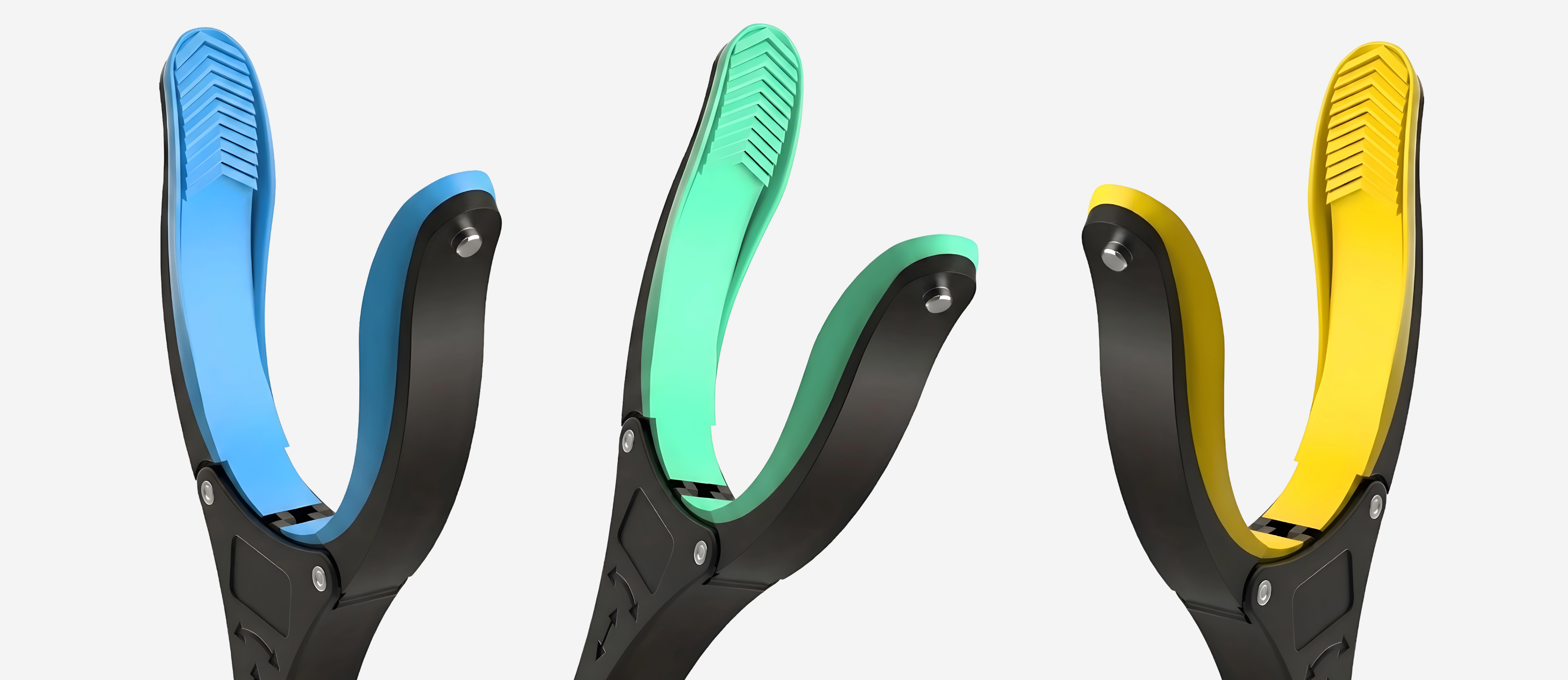
Direct answer: Dementia caregiver adaptive kitchen tools address both the physical limitations that co-occur with dementia and the kitchen safety hazards that cognitive decline creates. The electric jar opener allows the person with dementia to open jars independently without the grip and coordination that diminishing dexterity makes difficult. The reacher reduces falls risk during bending. However, the most important caregiver interventions are environmental modifications: stove knob covers to prevent unsupervised stove use, automatic stove shut-off devices, and refrigerator locks to prevent food safety issues. The GrabbersTool Electric Jar Opener extends independence in a low-risk task; stove and fire safety modifications address the high-risk hazards.
Dementia Stage and Kitchen Safety and Adaptive Tool Strategy
| Dementia Stage | Kitchen Safety Status | Caregiver and Adaptive Strategy |
|---|---|---|
| Mild dementia | Mostly independent in familiar kitchen; simple familiar meals safe; may leave stove on occasionally; judgment mostly intact | Automatic stove shut-off device; stove check routine; electric jar opener for dexterity; reacher for mobility; regular caregiver check-ins during cooking |
| Moderate dementia | Simple tasks only; supervision needed for stove use; may not recognize spoiled food; food safety at risk; judgment impaired | Caregiver prepares complex meals; person with dementia assists with safe supervised tasks (setting table, simple prep); electric jar opener for jar tasks; stove knob covers when unsupervised; refrigerator lock or regular check |
| Severe dementia | No independent kitchen use safe; cannot recognize kitchen hazards; full caregiver supervision or restriction | All cooking performed by caregiver; stove access restricted; person with dementia assists only with zero-hazard tasks under direct supervision; focus on pleasurable food activities (setting table, simple snacking) |
Browse the adaptive kitchen tools and Electric Jar Opener for dementia caregiver kitchen support.


