

Dementia with Lewy bodies (DLB) is the second most common neurodegenerative dementia after Alzheimer disease, characterized by the combination of dementia, core clinical features of REM sleep behavior disorder (RBD), recurrent visual hallucinations, parkinsonism, and fluctuating cognition. The fluctuating cognition of DLB is particularly distinctive and dangerous for kitchen use: patients have episodes of marked variation in alertness and attention -- sometimes functioning relatively well, and at other times appearing confused, staring into space, or barely responsive -- and these fluctuations can occur without warning throughout the day. Visual hallucinations are typically well-formed, often seeing people or animals in the room, and are sometimes not frightening but can affect kitchen safety (responding to something that is not there, ignoring something real). Parkinsonism (bradykinesia, rigidity, possible tremor) compounds the dementia, and DLB patients have severe hypersensitivity to antipsychotic medications (neuroleptic sensitivity), which limits treatment options for behavioral symptoms. Falls are very common. Kitchen independence becomes unsafe relatively early in DLB compared to Alzheimer disease, because the combination of fluctuating consciousness and parkinsonism creates unpredictable moments of impairment.
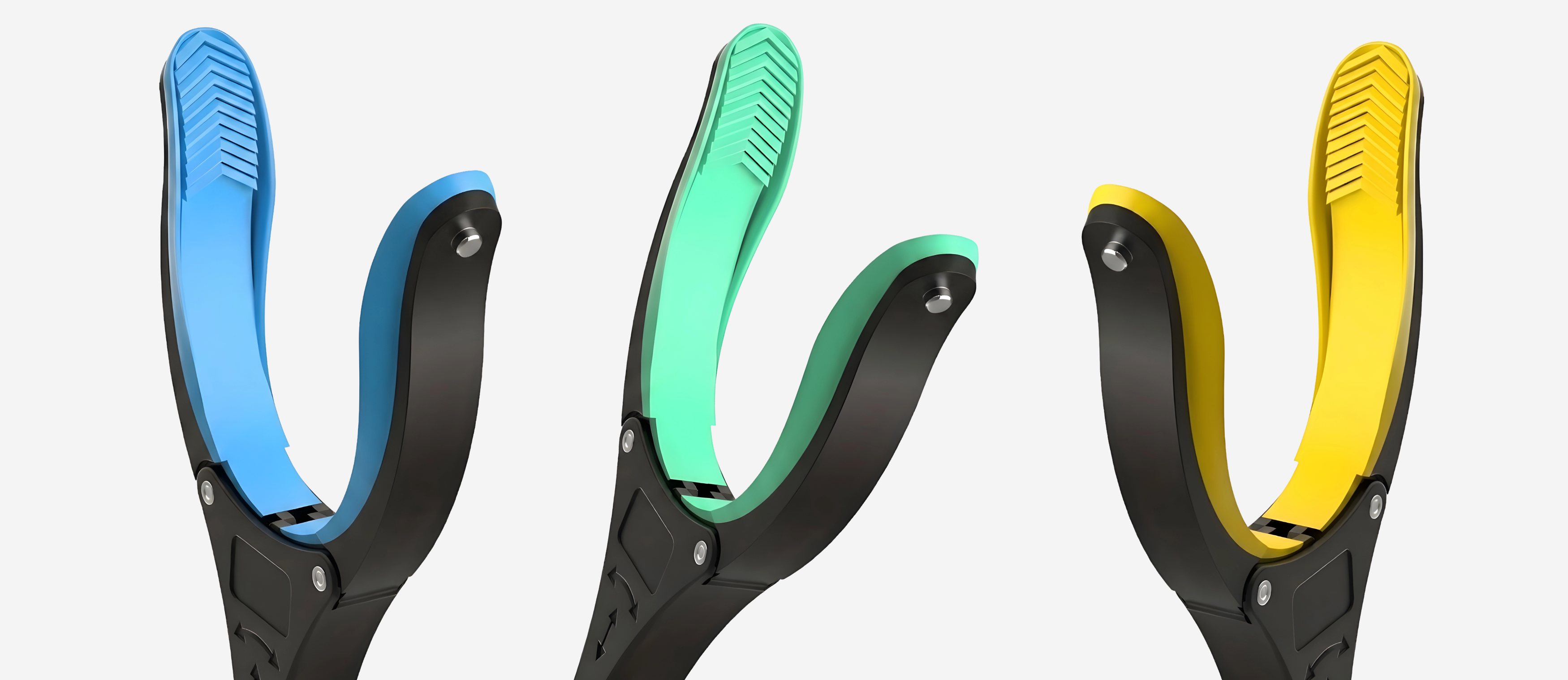
Direct answer: DLB kitchen safety tools address the fluctuating cognition (the unpredictable variation in alertness that makes unsupervised cooking dangerous) and the parkinsonism (slow, tremulous movements with falls risk). The electric jar opener eliminates the fine motor and bilateral coordination task of jar opening that parkinsonism makes difficult. The reacher reduces the bending that risks falls during fluctuating alertness episodes. However, the most important DLB kitchen adaptation is supervision and monitoring: given the unpredictable alertness fluctuations and hallucinations, unsupervised stove use is a fire risk even on a relatively good day. The GrabbersTool Electric Jar Opener and 32-inch Reacher support function during supervised kitchen activity.
DLB Kitchen Safety Profile
| DLB Feature | Kitchen Safety Risk | Adaptive Safety Strategy |
|---|---|---|
| Fluctuating cognition | Alert and capable at 10am, confused and unresponsive at 11am; cannot predict when episode will occur; stove left on during confusion is a fire risk | Caregiver supervision for all stove use; stove automatic shut-off devices; microwave cooking preferred for independent use; no independent cooking during known low-alertness periods |
| Visual hallucinations | Responding to people or animals not present; ignoring real kitchen hazards while focused on hallucination; may behave unusually around kitchen equipment | Caregiver supervision; simple kitchen environment; explain hallucinations are the disease (do not argue); ensure hot and sharp items are not accessible when hallucinations are active |
| Parkinsonism (bradykinesia, falls) | Slow movements; falls risk especially when position changes; jar opening very difficult with bradykinesia and possible tremor | Electric jar opener; anti-fall kitchen setup; no rushing patient; seated cooking reduces falls risk; reacher for floor retrieval without bending |
| Severe antipsychotic sensitivity | Standard antipsychotic medications used for agitation in other dementias can cause severe parkinsonism, neuroleptic malignant syndrome, or sudden death in DLB | Ensure all caregivers and medical providers know about DLB neuroleptic sensitivity; do not use haloperidol or other typical antipsychotics; document in medical records |
Browse the adaptive kitchen tools and Electric Jar Opener for Lewy body dementia kitchen safety support.


