

Head and neck cancers (squamous cell carcinoma of the larynx, pharynx, oral cavity, salivary glands) are treated with surgery, radiation, and chemotherapy (typically cisplatin). Neck dissection -- radical (RND), modified radical (MRND), or selective -- is performed to remove at-risk cervical lymph nodes. The spinal accessory nerve (cranial nerve XI, CN XI) innervates the trapezius muscle (shoulder elevation and shrugging). In radical neck dissection, CN XI is sacrificed; in modified radical, it is preserved but may be damaged; in selective, it is typically preserved. CN XI injury causes ipsilateral trapezius weakness: shoulder drop, decreased shoulder elevation, difficulty raising the arm overhead, and shoulder pain (shoulder dysfunction after neck dissection). This directly limits kitchen function: overhead reach for kitchen cabinets on the surgical side, carrying pots and groceries, and sustained arm elevation for cooking are all affected. Laryngectomy involves removal of the larynx with permanent tracheostoma; dysphagia (difficulty swallowing) is common after head and neck surgery and radiation; reduced saliva from radiation (xerostomia) affects eating. These are feeding and swallowing issues, not kitchen tool grip issues, but combined with shoulder dysfunction, head and neck cancer patients have significant kitchen adaptive needs.
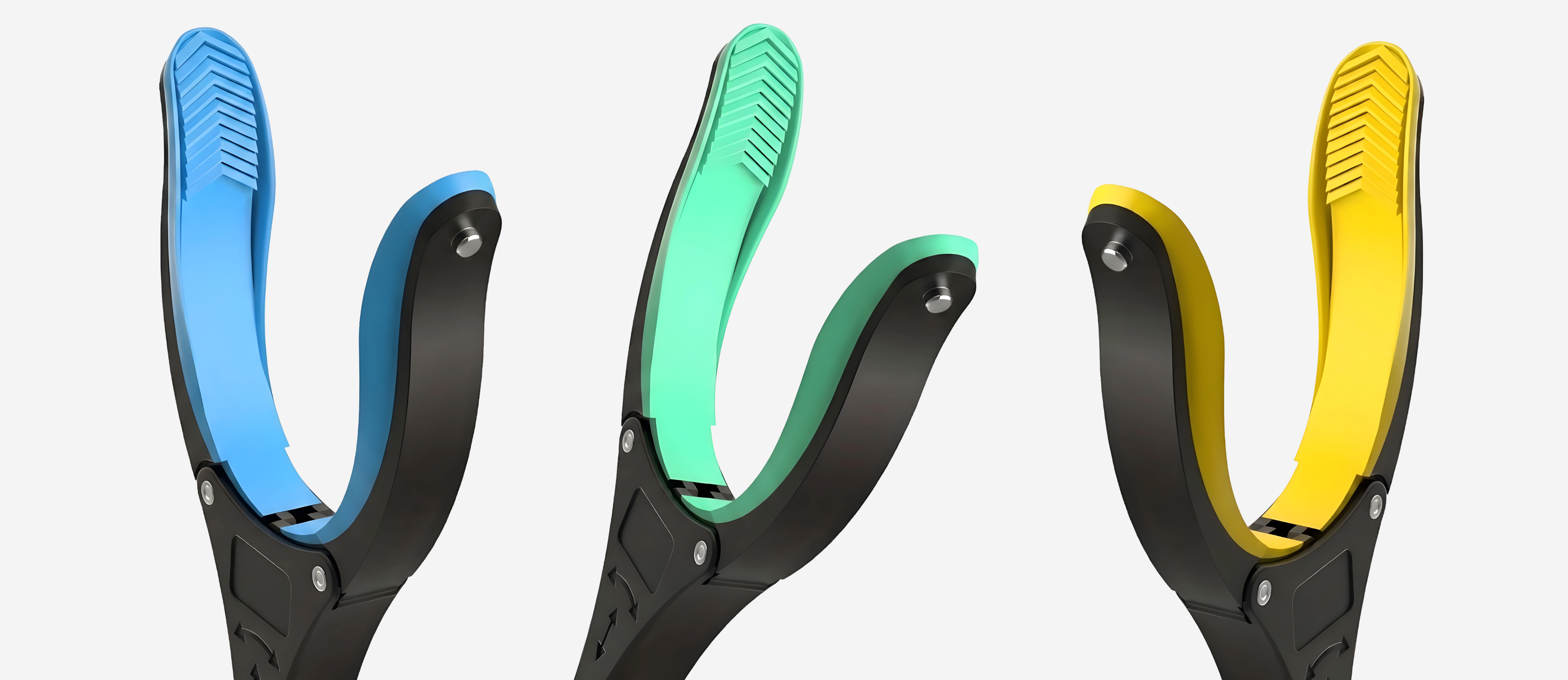
Direct answer: Head and neck cancer kitchen adaptive tools address shoulder dysfunction from neck dissection CN XI injury (reacher for overhead reach; lightweight pots; grocery cart instead of carrying bags) and radiation mucositis/xerostomia food preparation adaptations (soft, moist foods). The GrabbersTool 32-inch Reacher compensates for shoulder elevation limitation after neck dissection.
Head and Neck Cancer Kitchen Adaptive Strategy
| Head and Neck Cancer Feature | Kitchen Impact | Adaptive Solution |
|---|---|---|
| CN XI injury after neck dissection (trapezius weakness) | Trapezius weakness causes shoulder drop and inability to elevate the arm overhead on the surgical side; overhead kitchen cabinet access on the surgical side impossible or severely limited; carrying heavy kitchen items (pots, groceries) painful due to shoulder instability and impingement risk; shoulder pain from subacromial impingement due to scapular winging worsens with kitchen activities | Reacher grabber (GrabbersTool) to access overhead cabinets on the surgical side without arm elevation; kitchen reorganization to remove frequently used items from overhead storage; lightweight pots and pans; rolling cart for kitchen transport instead of carrying; physical therapy referral for CN XI shoulder rehabilitation (progressive shoulder strengthening) |
| Radiation-induced trismus and xerostomia | Radiation to the jaw and salivary glands causes trismus (limited jaw opening, mouth opening under 35mm) and xerostomia (dry mouth from salivary gland destruction); food preparation must produce soft, moist, easy-to-swallow foods; texture modification required in food preparation; chewing hard or dry foods painful or impossible | Kitchen adaptations for texture modification: blenders, food processors, soft cooking techniques (steaming, slow cooking); sauces and gravies to add moisture; speech-language pathologist guidance on dietary texture modifications; modified diet prepared in the kitchen to match swallowing capacity |
| Radiation and chemotherapy fatigue | Head and neck radiation often combined with cisplatin chemotherapy; cumulative fatigue from chemoradiation limits kitchen endurance; mucositis during radiation makes eating painful, reducing nutritional intake and further reducing energy | Seated kitchen preparation; energy conservation strategies; simple, nutrient-dense soft meal planning; feeding tube enteral nutrition management if oral intake insufficient during treatment |
See the 32-inch Reacher and reacher grabber collection for head and neck cancer kitchen support.


