

Lung cancer surgery -- lobectomy (removal of one lobe of the lung), pneumonectomy (removal of an entire lung), or segmentectomy -- is performed through video-assisted thoracoscopic surgery (VATS), robotic-assisted (RATS), or open thoracotomy. Open thoracotomy involves a large lateral chest incision (typically posterolateral thoracotomy) with rib spreading, causing significant chest wall trauma and shoulder girdle disruption. VATS and RATS use smaller port incisions but still require ipsilateral (same-side) arm restrictions during healing. Post-lung resection, patients have reduced pulmonary reserve proportional to the amount of lung removed: pneumonectomy patients lose approximately 50% of lung capacity; lobectomy patients lose 15-30% depending on the lobe removed. Reduced pulmonary reserve limits exertional tolerance and kitchen endurance. Thoracotomy patients also have ipsilateral shoulder limitations from the chest wall incision and rib spreading -- reaching overhead or across the body with the surgical-side arm is restricted during the first weeks after thoracotomy. Open thoracotomy involves cutting through or retracting the latissimus dorsi and serratus anterior muscles, which are important for shoulder elevation -- these are not cut in VATS/RATS, but port-side shoulder restrictions still apply.
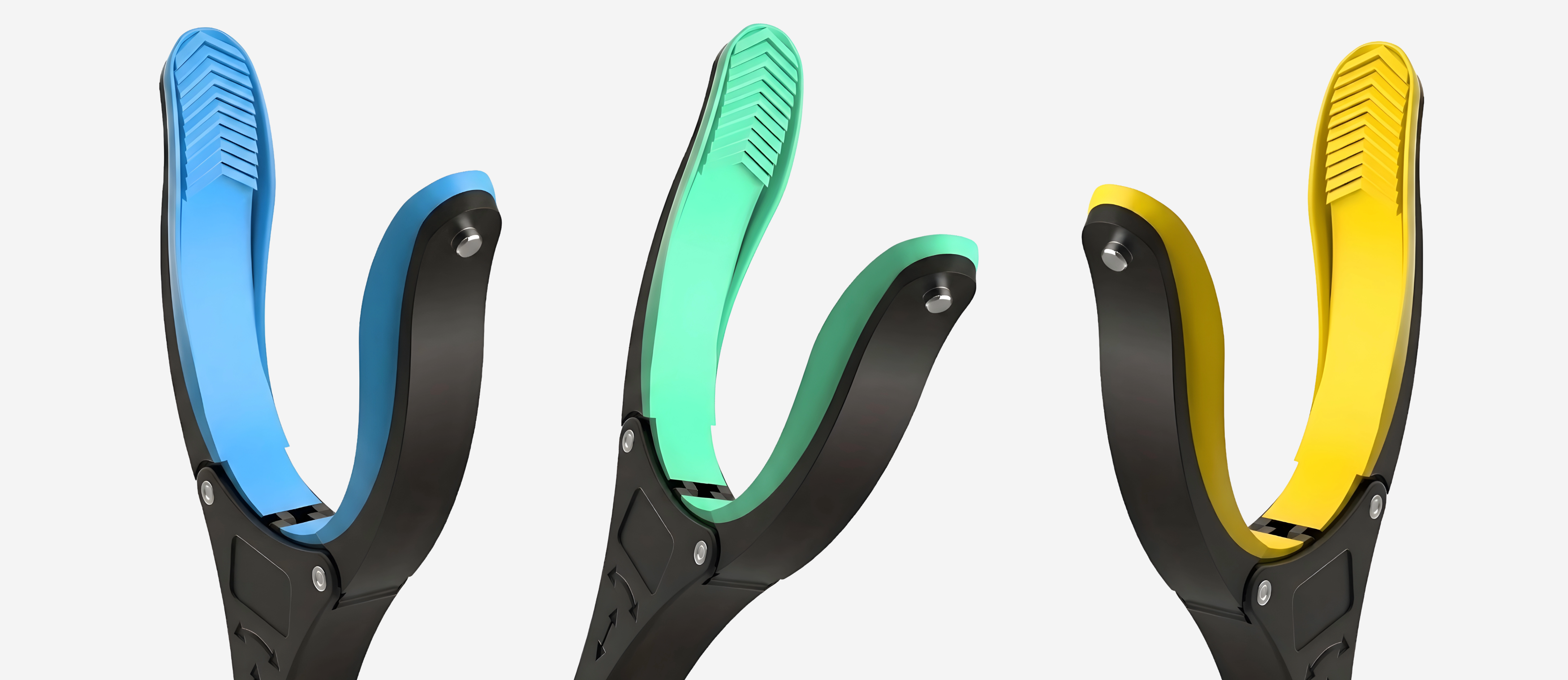
Direct answer: Lung cancer surgery kitchen adaptive tools depend on surgical approach. For thoracotomy: ipsilateral arm restriction requires reacher to avoid surgical-side shoulder elevation and reaching; for pneumonectomy: reduced exertional capacity requires seated kitchen strategies and energy conservation. The GrabbersTool 32-inch Reacher reduces thoracotomy-side reaching during lung cancer surgery recovery.
Lung Cancer Surgery Kitchen Recovery Strategy
| Lung Surgery Feature | Kitchen Impact | Adaptive Solution |
|---|---|---|
| Open thoracotomy ipsilateral shoulder restriction | Chest wall incision with rib spreading injures muscles around the shoulder girdle on the surgical side; overhead reaching, shoulder elevation, and across-body reach restricted for 4-8 weeks; overhead kitchen cabinet access on the surgical side painful or precaution-restricted; awkward reaches while cooking strain the healing chest | Reacher grabber to access overhead or far-reach kitchen items on the surgical side without shoulder elevation; kitchen reorganization to move frequently used items to waist level or to the non-surgical-side; consult thoracic surgery team for specific shoulder restriction guidance; formal shoulder rehabilitation after thoracotomy |
| Reduced pulmonary reserve (lobectomy/pneumonectomy) | Reduced lung capacity limits exertional tolerance; aerobic activities including kitchen tasks involving standing and moving cause earlier onset of breathlessness; pneumonectomy patients have the most severe reduction; kitchen standing tolerance limited during early recovery weeks (2-6 weeks post-surgery) | Seated kitchen preparation; rolling stool at the kitchen counter; batch cooking to reduce total daily kitchen time; simple meal planning; schedule kitchen tasks at times of peak energy; oxygen therapy (if prescribed) available during kitchen tasks |
| Chest drain and thoracotomy pain | Post-thoracotomy pain (acute and chronic) from nerve injury and rib spreading (post-thoracotomy pain syndrome, PTPS, affects 30-50% of thoracotomy patients); pain limits ipsilateral arm use and kitchen endurance | Pain management optimized per thoracic surgery team; reacher reduces the need for reaching that exacerbates thoracotomy pain; seated kitchen preparation reduces postural demand; occupational therapist for post-thoracotomy kitchen adaptation |
See the 32-inch Reacher and 43-inch Reacher for lung cancer surgery kitchen recovery support.


