

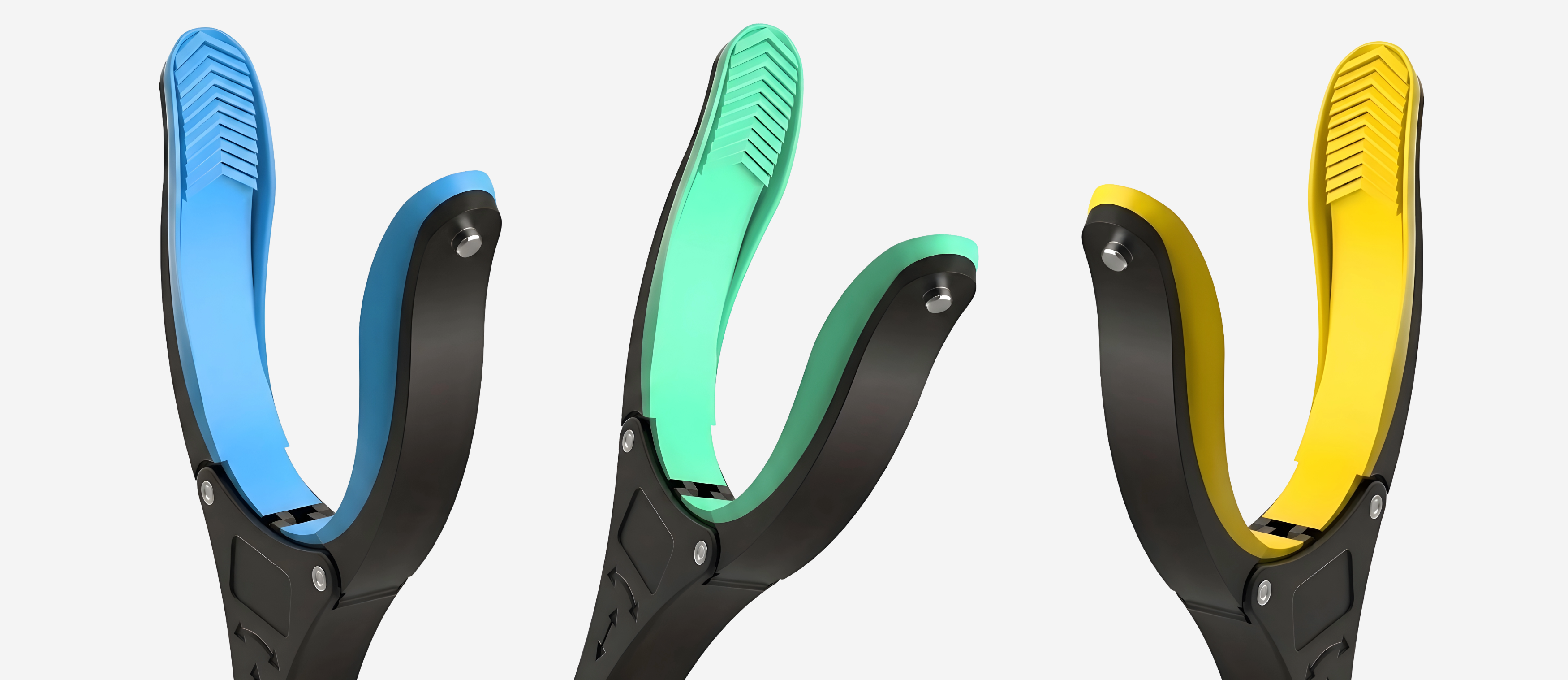
Aging in place -- remaining in one own home and living independently as one ages, rather than moving to assisted living or other care settings -- is a goal for many older adults, and kitchen independence is an important part of it. The ability to safely and independently prepare meals is a key instrumental activity of daily living that supports independent living and remaining at home. As people age, various changes and conditions can affect kitchen function -- age-related changes (reduced strength, grip, balance, vision, and endurance), arthritis and joint conditions, and other conditions common in older adults -- making kitchen tasks more difficult and potentially unsafe. Adaptive kitchen tools and strategies can significantly support aging in place by enabling older adults to continue safely and independently performing kitchen tasks despite these changes, helping them maintain their independence and remain at home. Supporting kitchen independence for aging in place involves: adaptive tools (reducing the strength, grip, reaching, and other demands of kitchen tasks), kitchen organization and setup (accessible organization and an adaptive kitchen setup), safety measures (fall prevention and kitchen safety -- particularly important for older adults), and addressing the individual needs (matched to the person specific age-related changes and conditions). The adaptive tools and strategies enable older adults to maintain kitchen independence -- supporting their ability to prepare meals, maintain nutrition, and live independently at home. This guide covers how adaptive kitchen tools support aging in place and independent living. The goal is to enable older adults to safely and independently maintain kitchen function, supporting their independence and their ability to remain in their own home.
Direct answer: Adaptive kitchen tools support aging in place by enabling older adults to safely and independently perform kitchen tasks despite age-related changes -- reachers for reduced reach and balance, electric openers for reduced grip strength, seating for reduced standing tolerance, and safety measures. The GrabbersTool Reacher and Electric Jar Opener are core adaptive tools supporting kitchen independence for aging in place.
Aging in Place Kitchen Guide
| Aging in Place Consideration | Kitchen Impact | Adaptive Solution |
|---|---|---|
| Age-related changes affecting kitchen function | Age-related changes affect kitchen function -- reduced strength and grip (sarcopenia and age-related decline affecting gripping, jar opening, lifting, and carrying), reduced balance (affecting kitchen standing, reaching, and safety -- with fall risk), reduced reach and flexibility (affecting reaching and bending), reduced endurance (affecting sustained kitchen activity), reduced vision (affecting visual kitchen tasks), and other changes; these age-related changes, along with arthritis and other conditions common in older adults, make kitchen tasks more difficult and potentially unsafe; the changes affect the ability to safely and independently perform kitchen tasks; supporting kitchen function despite these changes is key to aging in place | Adaptive tools matched to the age-related changes -- the reacher (GrabbersTool) for reduced reach, balance, and flexibility (retrieving items without reaching, bending, and stretching -- also fall prevention); the electric jar opener (GrabbersTool) for reduced grip strength (eliminating the forceful jar opening); kitchen seating for reduced standing tolerance and endurance; large-handle and lightweight tools for reduced strength; the adaptive tools address the age-related changes, enabling older adults to perform kitchen tasks; the tools support kitchen function despite the changes |
| Kitchen safety and fall prevention | Kitchen safety and fall prevention are particularly important for older adults aging in place -- falls are a leading cause of injury in older adults (kitchen falls can cause serious injury -- fractures -- and precipitate decline and loss of independence), and the kitchen has hazards (heat, sharp implements, and fall risks); the reduced balance, strength, and other age-related changes increase the fall and injury risk; kitchen safety supports safe independent kitchen function and helps prevent the falls and injuries that can threaten independence and aging in place; the safety is a key consideration for older adults | Kitchen safety and fall prevention for aging in place (non-slip flooring, prompt spill cleanup, adequate lighting, clear pathways, stability support -- rails and grab bars; the reacher to eliminate the hazardous reaching, bending, and step-stool climbing that cause falls -- a key fall prevention tool; and general kitchen safety); the safety measures support safe kitchen function and help prevent the falls and injuries that threaten independence; fall prevention is particularly important for aging in place; see the related [[kitchen-fall-prevention-complete-safety-guide-high-risk]] guide |
| Maintaining independence, nutrition, and aging in place support | Kitchen independence supports the ability to prepare meals, maintain nutrition, and live independently -- important for aging in place and overall health (adequate nutrition is important for older adults health and function); the ability to safely and independently perform kitchen tasks supports remaining at home; the individual needs (matched to the person specific age-related changes and conditions) guide the support; an occupational therapy assessment can help identify the needs and recommend the setup; the combination of adaptive tools, kitchen setup, safety measures, and addressing the individual needs supports kitchen independence for aging in place; the kitchen independence supports the person ability to maintain nutrition and remain independent at home | The adaptive tools, accessible kitchen setup, and safety measures support kitchen independence for aging in place -- enabling older adults to safely and independently prepare meals, maintain nutrition, and live independently at home; the kitchen independence supports the ability to remain at home; addressing the individual needs (matched to the person changes and conditions -- an occupational therapy assessment helps); the combination supports aging in place; see the related [[adaptive-kitchen-tools-seniors-complete-independence-guide]] and [[how-to-set-up-accessible-kitchen-adaptive-guide]] guides; the adaptive tools and strategies enable older adults to maintain kitchen independence and remain in their own home |
See the Reacher Grabber and Electric Jar Opener for aging in place kitchen independence support.


