

Stroke recovery is a process of rehabilitation and adaptation following a stroke, during which the person works to recover function and rebuild independence, including kitchen function. Stroke can cause a range of deficits (motor -- hemiplegia or hemiparesis affecting one side; sensory; visual -- field deficits and neglect; cognitive; communication -- aphasia; swallowing -- dysphagia; and others), affecting the ability to perform kitchen tasks. Stroke recovery involves rehabilitation (physical, occupational, and speech therapy) to recover function and learn adaptive techniques, and the abilities change over the recovery -- with recovery occurring over weeks, months, and sometimes longer, particularly in the early period, though the degree and pace of recovery vary. During stroke recovery, kitchen function is rebuilt through: recovering function (rehabilitation to recover motor, cognitive, and other function), learning adaptive techniques (one-handed techniques for hemiplegia, and other techniques for the deficits), using adaptive tools (that enable kitchen tasks with the changing abilities), and addressing safety (given the motor, sensory, visual, cognitive, and swallowing deficits). The adaptive tools and techniques enable the person to perform kitchen tasks during the recovery -- supporting function while recovery progresses, and providing lasting adaptations for any residual deficits. Occupational therapy is central to stroke kitchen rehabilitation -- assessing function, teaching adaptive techniques, and recommending adaptive tools. As the recovery progresses, the abilities and the adaptive needs may change (with tools and techniques adjusted). This guide covers rebuilding kitchen function during stroke recovery. It complements the stroke hemiplegia kitchen guide, focusing on the recovery process. Kitchen function during stroke recovery is rebuilt through rehabilitation, adaptive techniques, adaptive tools, and safety, supporting function through the changing abilities of recovery.
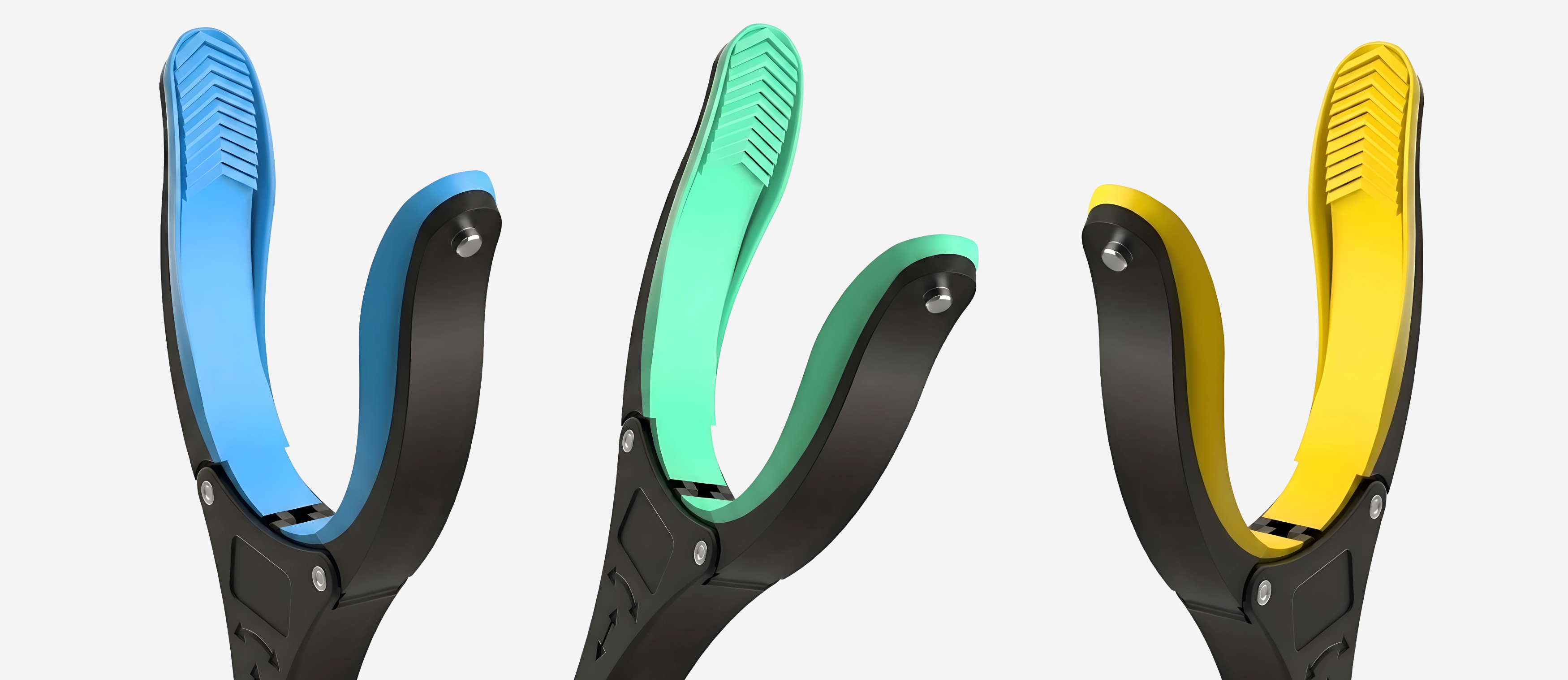
Direct answer: Stroke recovery kitchen adaptation rebuilds function through rehabilitation, adaptive techniques (one-handed methods for hemiplegia), adaptive tools (enabling kitchen tasks with the changing abilities), and safety measures -- supporting function through recovery and for residual deficits. The GrabbersTool Electric Jar Opener (one-handed jar opening) and 32-inch Reacher support kitchen function through stroke recovery.
Stroke Recovery Kitchen Strategy
| Recovery Element | Kitchen Impact | Adaptive Solution |
|---|---|---|
| Rehabilitation and recovering function | Stroke recovery involves rehabilitation (physical, occupational, and speech therapy) to recover function -- motor function (recovering strength and control in the affected side), cognitive function, and other function; the abilities change over the recovery (with recovery over weeks, months, and sometimes longer -- particularly early on, though the degree and pace vary); kitchen function is rebuilt as function recovers; the rehabilitation supports the recovery of function relevant to kitchen tasks; the changing abilities over the recovery affect the kitchen function and adaptive needs; kitchen tasks may be part of the occupational therapy rehabilitation (functional practice) | Rehabilitation (physical, occupational, and speech therapy) to recover the function relevant to kitchen tasks; occupational therapy for the stroke kitchen rehabilitation (assessing function, teaching adaptive techniques, and functional practice -- kitchen tasks as part of rehabilitation); the adaptive tools enable kitchen tasks during the recovery (supporting function while it recovers); the tools and techniques adjusted as the abilities change over the recovery; the rehabilitation and adaptive tools together rebuild kitchen function during recovery |
| Adaptive techniques and tools for the changing abilities | Stroke recovery involves learning adaptive techniques and using adaptive tools that enable kitchen tasks with the changing abilities -- one-handed techniques for hemiplegia (the affected side may have limited function, requiring one-handed methods with the less affected side), and other techniques and tools for the deficits; the adaptive techniques and tools enable the person to perform kitchen tasks during the recovery (working with the current abilities); as the abilities change over the recovery, the techniques and tools may be adjusted; the adaptive techniques and tools bridge the recovery and provide lasting adaptations for any residual deficits | One-handed kitchen techniques and tools for hemiplegia (electric jar opener -- GrabbersTool -- for one-handed jar opening; suction-base cutting boards for one-handed cutting; and other one-handed tools -- see the related [[adaptive-tools-stroke-hemiplegia-one-handed-kitchen-techniques]] guide); the reacher (GrabbersTool) for one-handed reaching and for mobility limitations; adaptive tools matched to the changing abilities; the tools and techniques adjusted as the recovery progresses; the adaptive techniques and tools enable kitchen tasks during the recovery and provide lasting adaptations for residual deficits; occupational therapy for the adaptive technique training |
| Safety and stroke recovery kitchen support | Stroke safety is important given the deficits -- motor deficits (affecting safe task performance and mobility -- fall risk), sensory deficits (affecting safe handling -- burn and injury risk), visual deficits (field deficits and neglect -- affecting awareness of hazards, a significant safety concern), cognitive deficits (affecting task management and safety), and swallowing deficits (dysphagia -- affecting safe eating and requiring modified food); the safety is a key consideration in stroke kitchen function; the combination of rehabilitation, adaptive techniques and tools, and safety supports rebuilding kitchen function; the safety measures address the stroke deficits | Safety measures for the stroke deficits (fall prevention for motor and balance deficits; thermal and sharp-edge protection for sensory deficits; kitchen organization and scanning strategies for visual field deficits and neglect; simplification and timers for cognitive deficits; dysphagia-modified food preparation for swallowing deficits -- per speech-language pathology); the safety measures address the deficits; the level of supervision and safety measures is individualized to the deficits; the combination of rehabilitation, adaptive techniques and tools, and safety supports rebuilding kitchen function during stroke recovery; occupational therapy for the comprehensive stroke kitchen rehabilitation and safety; the support rebuilds kitchen function through the recovery and for residual deficits |
See the Electric Jar Opener and 32-inch Reacher for rebuilding kitchen function during stroke recovery.


