

Patients on hemodialysis (HD) for end-stage kidney disease receive dialysis three times per week, typically for 3-4 hours per session, either in a dialysis center or at home. Hemodialysis requires vascular access -- most commonly an arteriovenous (AV) fistula surgically created in the forearm or upper arm, or less preferably an AV graft or tunneled central venous catheter. AV fistula care involves strict arm precautions on the fistula arm: no blood pressure measurements, no blood draws, no tight clothing or watches, no compression, and no heavy lifting with the fistula arm -- because the fistula is the patient lifeline for dialysis and any injury, compression, or thrombosis can be life-threatening. Post-dialysis fatigue is significant and well-documented: many patients report 4-6 hours of extreme fatigue after each dialysis session, meaning that on dialysis days (3 days per week), kitchen function is severely limited. Patients also have dietary restrictions (potassium, phosphorus, sodium, and fluid limits) that require careful food preparation and label reading -- creating kitchen workload at a time when kitchen capacity is most limited.
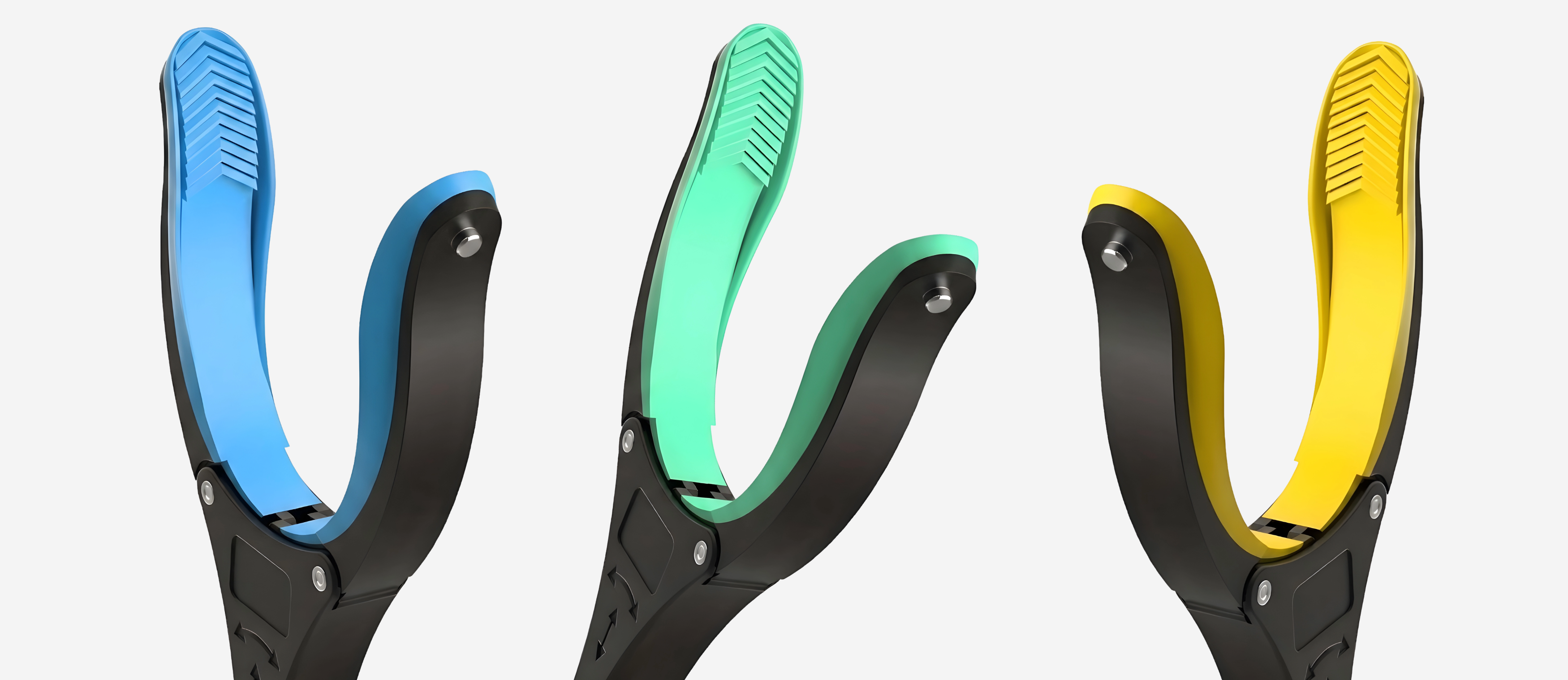
Direct answer: Dialysis adaptive kitchen tools address AV fistula precautions (protecting the fistula arm during kitchen tasks) and post-dialysis fatigue (energy conservation for kitchen preparation on dialysis days). The electric jar opener can be operated by the non-fistula arm, eliminating the need for fistula-arm grip force. The GrabbersTool Electric Jar Opener protects the AV fistula arm from the compression and grip strain of jar opening.
Dialysis Patient Kitchen Adaptive Strategy
| Dialysis Kitchen Challenge | Patient Impact | Adaptive Solution |
|---|---|---|
| AV fistula arm grip precaution | Fistula arm cannot be compressed, carry heavy items, or have blood pressure measured; vigorous grip on the fistula arm risks fistula thrombosis; most patients have fistula in the non-dominant arm (left for right-handed) but some have it in the dominant arm | Electric jar opener operated with non-fistula arm; avoid all heavy gripping on fistula arm; reacher operated single-handed with non-fistula arm if needed; ensure no tight wristwatch or bracelet on fistula arm during kitchen work |
| Post-dialysis fatigue (4-6 hours post-session) | Severe fatigue after dialysis makes meal preparation extremely difficult on 3 dialysis days per week; patients may skip meals or rely on convenience foods due to kitchen fatigue; malnutrition is a major mortality risk in dialysis | Meal prep on non-dialysis days (batch cooking); slow cooker meals started before dialysis session; grocery delivery; electric appliances (jar opener, can opener) to reduce effort on dialysis days; pre-packaged compliant meals for post-dialysis meals |
| Dietary restriction label reading and preparation | Potassium, phosphorus, sodium, and fluid restrictions require careful food selection; leaching vegetables (boiling and discarding water to reduce potassium) adds kitchen steps; portion control required; dietary compliance critical to survival | Magnifying glass or phone camera for label reading; consistent meal structure to reduce daily decision load; kitchen organization with compliant items clearly marked; dietitian-developed compliant recipe cards for easy reference |
See the Electric Jar Opener and adaptive kitchen collection for dialysis patient kitchen independence.


