

Meal preparation -- the process of planning, preparing, and cooking meals -- is an important daily activity that supports nutrition, health, and independence, and adaptive tools and strategies can make meal preparation easier for people with a wide range of conditions affecting kitchen function. Meal preparation involves many tasks and steps -- planning meals, gathering and retrieving ingredients and tools, opening containers and jars, measuring and preparing ingredients (cutting, mixing, and others), cooking (using appliances, stoves, and ovens), and serving -- each involving various physical, sensory, and cognitive demands (reaching, gripping, standing, lifting, precision, attention, and others). For people with conditions affecting kitchen function, these meal preparation tasks can be difficult, painful, tiring, or unsafe. Adaptive tools and strategies make meal preparation easier by reducing the demands of the tasks -- adaptive tools that reduce the physical demands (reachers for reaching, electric jar openers for grip and jar opening, kitchen seating for standing, and effort-reducing tools), techniques that make tasks easier (adaptive techniques for the specific challenges), and strategies that simplify meal preparation (efficient planning, batch cooking, simple recipes, and energy conservation). Making meal preparation easier supports the ability to prepare meals independently, maintain nutrition, and live independently despite the conditions. This guide covers how adaptive tools and strategies make meal preparation easier, applicable across the many conditions and challenges. The adaptive tools, techniques, and strategies -- matched to the person specific challenges -- make meal preparation easier and more manageable, supporting independent cooking and nutrition. The goal is to make meal preparation achievable and manageable, enabling people to prepare meals and maintain nutrition despite their conditions.
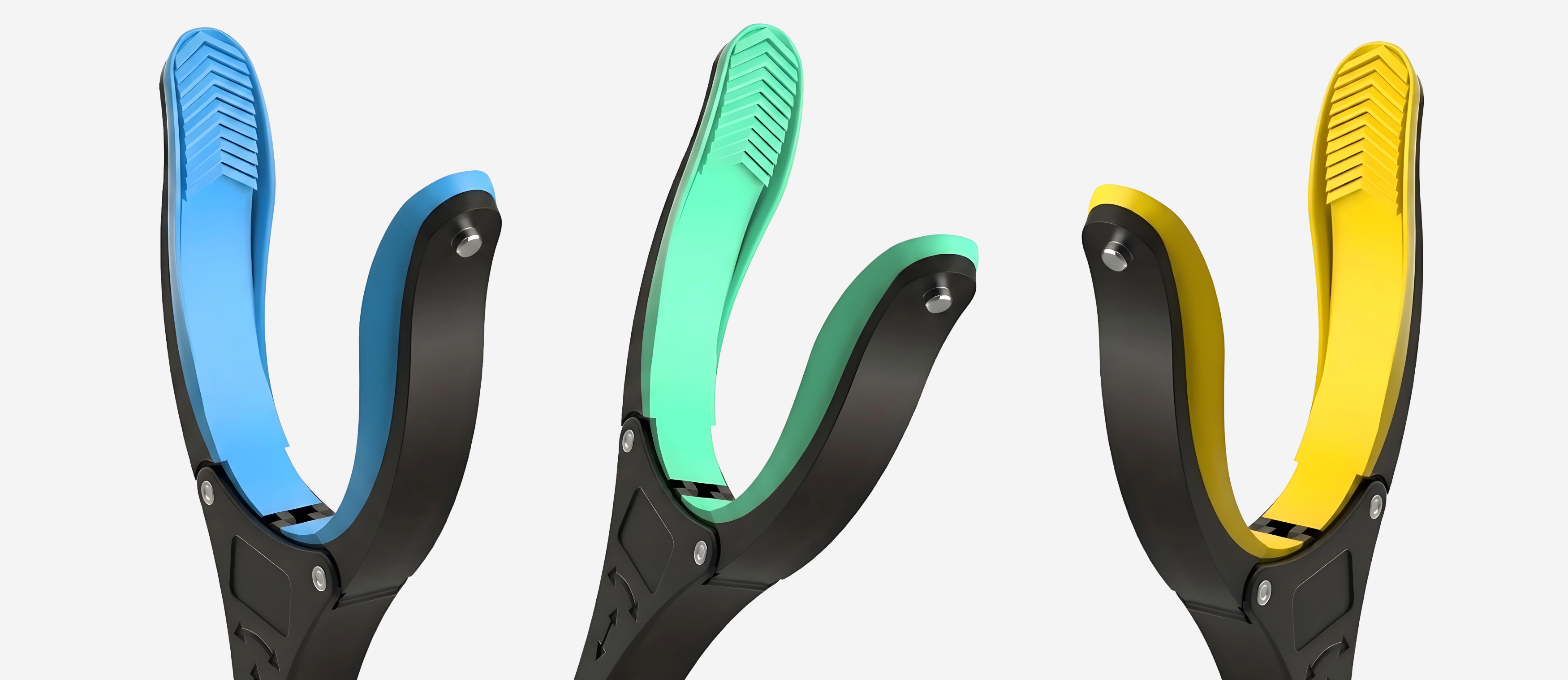
Direct answer: Adaptive tools make meal preparation easier by reducing the demands of the tasks -- reachers for reaching, electric jar openers for grip and jar opening, kitchen seating for standing, and effort-reducing tools -- combined with simplifying strategies (efficient planning, batch cooking, simple recipes, and energy conservation). The GrabbersTool Reacher and Electric Jar Opener make key meal preparation tasks easier.
Making Meal Preparation Easier
| Meal Preparation Aspect | Common Difficulty | Adaptive Solution |
|---|---|---|
| Gathering ingredients and opening containers | Gathering and retrieving ingredients and tools (from cabinets, shelves, the pantry, and the refrigerator -- at various heights) and opening containers and jars are early meal preparation tasks that can be difficult -- the retrieving involves reaching and bending (difficult with reach, mobility, and balance limitations), and the opening involves grip and force (difficult with grip limitations, hand pain, and one-handed function); jar opening in particular is a common difficulty; these early meal preparation tasks can be difficult across many conditions; the gathering and opening are common meal preparation difficulties | Reacher grabber (GrabbersTool) to gather and retrieve ingredients and tools without the reaching and bending (retrieving items at various heights without the challenging movements); electric jar opener (GrabbersTool) to open jars and containers without the forceful grip and twist (addressing the common jar-opening difficulty); the reacher and electric jar opener make the gathering and opening tasks easier; accessible kitchen organization (items within reach) reduces the gathering difficulty; the adaptations make the early meal preparation tasks easier |
| Preparing ingredients and cooking | Preparing ingredients (cutting, mixing, measuring, and others) and cooking (using appliances, stoves, and ovens, and the standing and attention cooking requires) are meal preparation tasks that can be difficult -- the preparing involves precision, grip, and stabilization (difficult with grip, coordination, tremor, one-handed function, and other limitations), and the cooking involves standing (difficult with standing tolerance limitations), attention (difficult with cognitive and fatigue limitations), and safety (with the heat and implements); these preparation and cooking tasks can be difficult across many conditions; the preparing and cooking are meal preparation difficulties | Adaptive tools for preparing ingredients (electric appliances -- food processors and choppers for cutting; stabilizing cutting boards for one-handed and coordination limitations; weighted tools for tremor; large-handle tools for grip; and others -- matched to the challenges); kitchen seating for the cooking standing (seated preparation and cooking approaches -- slow cookers and one-pot meals reducing the standing and attention); safety measures for the cooking (induction cooktops, timers, and others); the adaptive tools and approaches make the preparing and cooking tasks easier; matched to the person specific challenges |
| Simplifying strategies and making meal preparation manageable | Beyond the individual tasks, the overall meal preparation can be made easier and more manageable through simplifying strategies -- for the endurance, energy, and complexity of meal preparation (which can be tiring and demanding, particularly with fatigue conditions and multiple challenges); the overall meal preparation can be simplified and made more manageable; the simplifying strategies reduce the overall demands of meal preparation; the combination of the adaptive tools (for the tasks) and the simplifying strategies (for the overall process) makes meal preparation easier and more manageable; the goal is achievable, manageable meal preparation | Simplifying strategies for the overall meal preparation (efficient meal planning -- gathering everything before starting, and planning ahead; batch cooking -- preparing larger quantities during better periods for use later; simple recipes -- reducing the complexity and steps; energy conservation -- pacing, seated work, and the effort-reducing tools; and prepared and simple foods); the simplifying strategies make the overall meal preparation more manageable; the combination of the adaptive tools (making the tasks easier) and the simplifying strategies (making the process manageable) makes meal preparation easier; occupational therapy for meal preparation assessment and strategies; the adaptive tools, techniques, and strategies -- matched to the person challenges -- make meal preparation easier, supporting independent cooking and nutrition; see the related [[energy-conservation-kitchen-complete-guide-fatigue]] and [[adaptive-kitchen-tools-complete-guide-kitchen-independence]] guides |
See the Reacher Grabber and Electric Jar Opener for making meal preparation easier with any condition.


