

Osteoporosis is a systemic skeletal disease characterized by low bone mass and microarchitectural deterioration of bone tissue, leading to increased bone fragility and fracture risk. Osteoporosis is common, particularly in postmenopausal women (estrogen loss accelerates bone loss) and older adults of both sexes, and is often silent until a fracture occurs. The clinically significant osteoporotic fractures are: hip fractures (associated with high morbidity, mortality, and loss of independence -- typically from a fall); vertebral compression fractures (often from bending, lifting, or minimal trauma, causing back pain, height loss, and kyphosis); wrist fractures (distal radius fractures from a fall onto an outstretched hand -- often a first sign of osteoporosis); and other fragility fractures. The two key strategies to reduce osteoporotic fracture are: fall prevention (most hip and wrist fractures result from falls) and avoiding high-risk movements (heavy lifting and forward flexion with rotation can cause vertebral fractures in severe osteoporosis). The kitchen is a common site of falls and of bending and lifting activities, making it an important environment for osteoporosis fracture prevention. Osteoporosis itself is not painful (until a fracture occurs), so kitchen adaptation focuses not on accommodating pain or weakness but on preventing the falls and movements that cause fractures. Alongside adaptive strategies, osteoporosis is managed medically (calcium, vitamin D, weight-bearing exercise, and pharmacotherapy -- bisphosphonates, denosumab, or anabolic agents) -- and the kitchen is also central to the calcium-rich, bone-healthy diet.
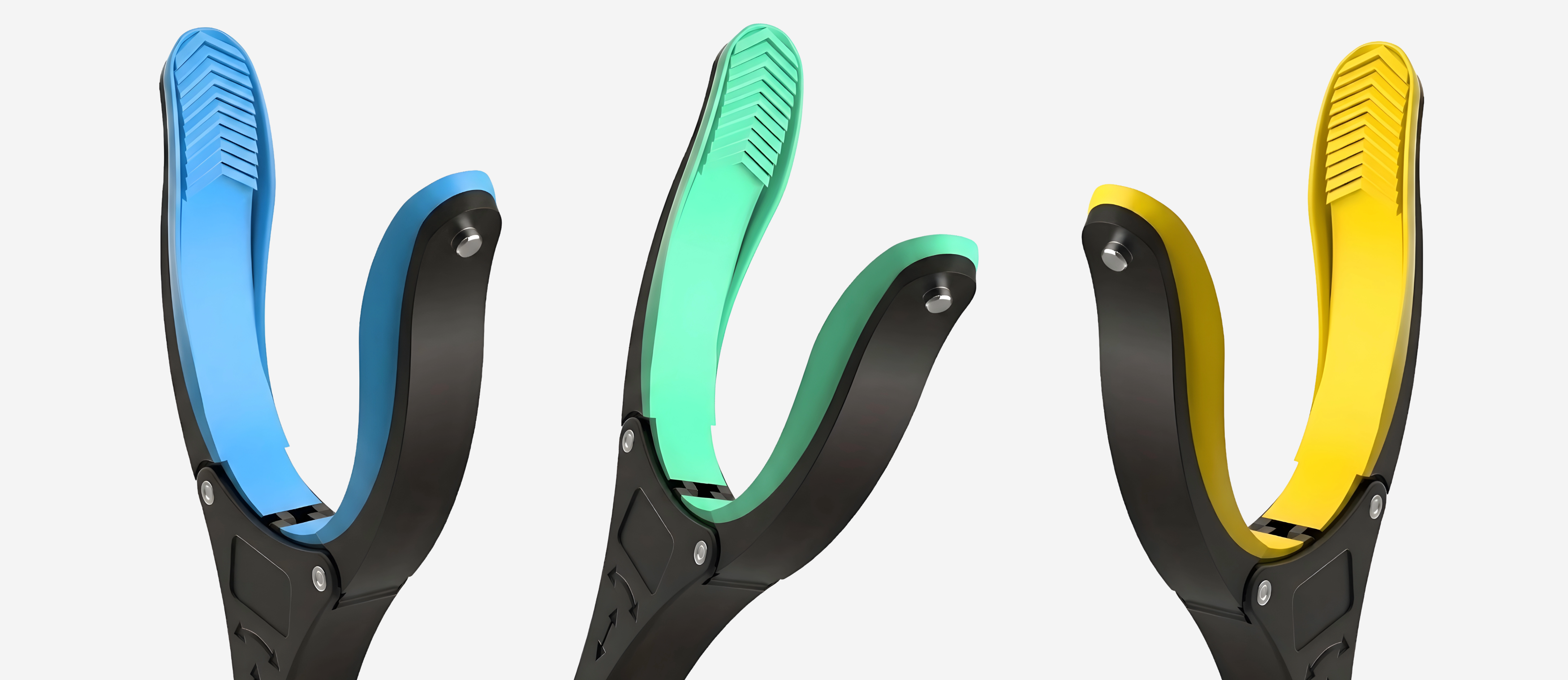
Direct answer: Osteoporosis kitchen adaptive tools focus on fracture prevention: reachers to avoid the bending and reaching that risk falls and vertebral fractures, fall-prevention measures, and bone-healthy kitchen nutrition. The GrabbersTool 32-inch Reacher helps prevent osteoporotic fractures by retrieving low kitchen items without the forward bending that risks vertebral fracture and the reaching that risks falls.
Osteoporosis Kitchen Fracture Prevention Strategy
| Osteoporosis Concern | Kitchen Risk | Adaptive Solution |
|---|---|---|
| Fall prevention: reducing hip and wrist fracture risk | Most osteoporotic hip and wrist fractures result from falls -- and the kitchen is a common fall site (wet floors, reaching, bending, turning, and clutter create fall hazards); a fall in an osteoporotic person can cause a hip fracture (a serious, life-changing injury with high morbidity and mortality) or a wrist fracture (from catching a fall on an outstretched hand); reaching for high kitchen items (overreaching, using step stools, losing balance) and bending for low items (losing balance) are fall-risk kitchen activities; osteoporosis fall prevention in the kitchen is a high-priority fracture prevention strategy; the goal is to eliminate the falls that cause the majority of osteoporotic fractures | Reacher grabber (GrabbersTool 32-inch) to retrieve high and low kitchen items without overreaching, using step stools, or bending off-balance (eliminating fall-risk reaching and bending); non-slip kitchen flooring and prompt cleanup of spills; adequate kitchen lighting; remove kitchen floor clutter and throw rugs (trip hazards); kitchen handrails or stable counters for balance support; well-organized kitchen with frequently used items at accessible heights (avoiding both high reaching and low bending); avoid step stools and climbing in the kitchen; supportive footwear; the reacher is a key fall-prevention tool by removing hazardous reaching and bending |
| Avoiding vertebral fracture from bending and lifting | In osteoporosis (particularly severe osteoporosis), forward spinal flexion (bending forward) and heavy lifting -- especially forward bending combined with lifting or twisting -- can cause vertebral compression fractures, even without a fall; loading the spine in flexion concentrates force on the vulnerable anterior vertebral bodies; kitchen activities involving forward bending (reaching into low cabinets, loading the dishwasher, lifting heavy pots) and lifting (carrying heavy items) can risk vertebral fracture in severe osteoporosis; established osteoporosis with prior vertebral fractures particularly warrants avoiding these movements; the vertebral fracture risk from bending and lifting is a specific osteoporosis kitchen consideration beyond fall prevention | Reacher grabber to retrieve low kitchen items without forward spinal flexion -- avoiding the bending that risks vertebral fracture; avoid heavy lifting in the kitchen (fill pots with a measuring cup rather than lifting when full; use lightweight cookware; slide items rather than lift; use a wheeled cart for transporting heavy items); avoid forward-bending-with-lifting movements; keep frequently used items at waist-to-shoulder height to avoid low bending and high reaching; proper body mechanics (hip and knee bending rather than spinal flexion when unavoidable); these bending-avoidance strategies reduce vertebral fracture risk |
| Bone-healthy kitchen nutrition and osteoporosis management | The kitchen is central to osteoporosis management through bone-healthy nutrition -- adequate calcium (from dairy, fortified foods, and calcium-rich vegetables) and vitamin D support bone health; protein adequacy supports bone and muscle; the kitchen is where the osteoporosis-supportive diet is implemented; alongside nutrition, weight-bearing exercise and osteoporosis pharmacotherapy (bisphosphonates, denosumab, teriparatide, romosozumab per physician) are the medical mainstays; a fragility fracture (hip, wrist, vertebral) is a sentinel event warranting osteoporosis evaluation and treatment to prevent future fractures; kitchen safety and nutrition together support osteoporosis fracture prevention | Bone-healthy kitchen nutrition for osteoporosis: calcium-rich food preparation (dairy, fortified plant milks, leafy greens, canned fish with bones); vitamin D adequacy (fortified foods, and supplementation per physician); adequate protein; the kitchen implements the bone-healthy diet alongside adaptive safety strategies; osteoporosis medical management (calcium, vitamin D, weight-bearing exercise, and pharmacotherapy per physician); osteoporosis evaluation (DEXA bone density scan) and treatment after any fragility fracture; combine kitchen fall and bending prevention with bone-healthy nutrition and medical treatment for comprehensive fracture prevention |
See the 32-inch Reacher for osteoporosis kitchen fall prevention and bending-avoidance fracture prevention support.


