

Post-intensive care syndrome (PICS) refers to new or worsening impairment in physical, cognitive, or psychiatric function arising after critical illness requiring ICU admission and persisting beyond acute hospitalization. The physical component of PICS includes ICU-acquired weakness (ICUAW) -- a generalized neuromuscular dysfunction occurring in 25-50% of ICU survivors, caused by critical illness myopathy (CIM) and critical illness polyneuropathy (CIP), producing generalized profound weakness of both proximal and distal muscles that can require months to years to recover. The cognitive component includes deficits in memory, attention, and executive function. The psychiatric component includes post-traumatic stress disorder (PTSD), depression, and anxiety from the ICU experience. Together, these create a patient who is physically very deconditioned (may have lost 15-25% of muscle mass during the ICU admission), cognitively impaired, and emotionally distressed -- attempting to return home to an environment they previously navigated without difficulty. Kitchen independence is one of the most commonly lost and hardest-to-recover ADLs after ICU hospitalization.
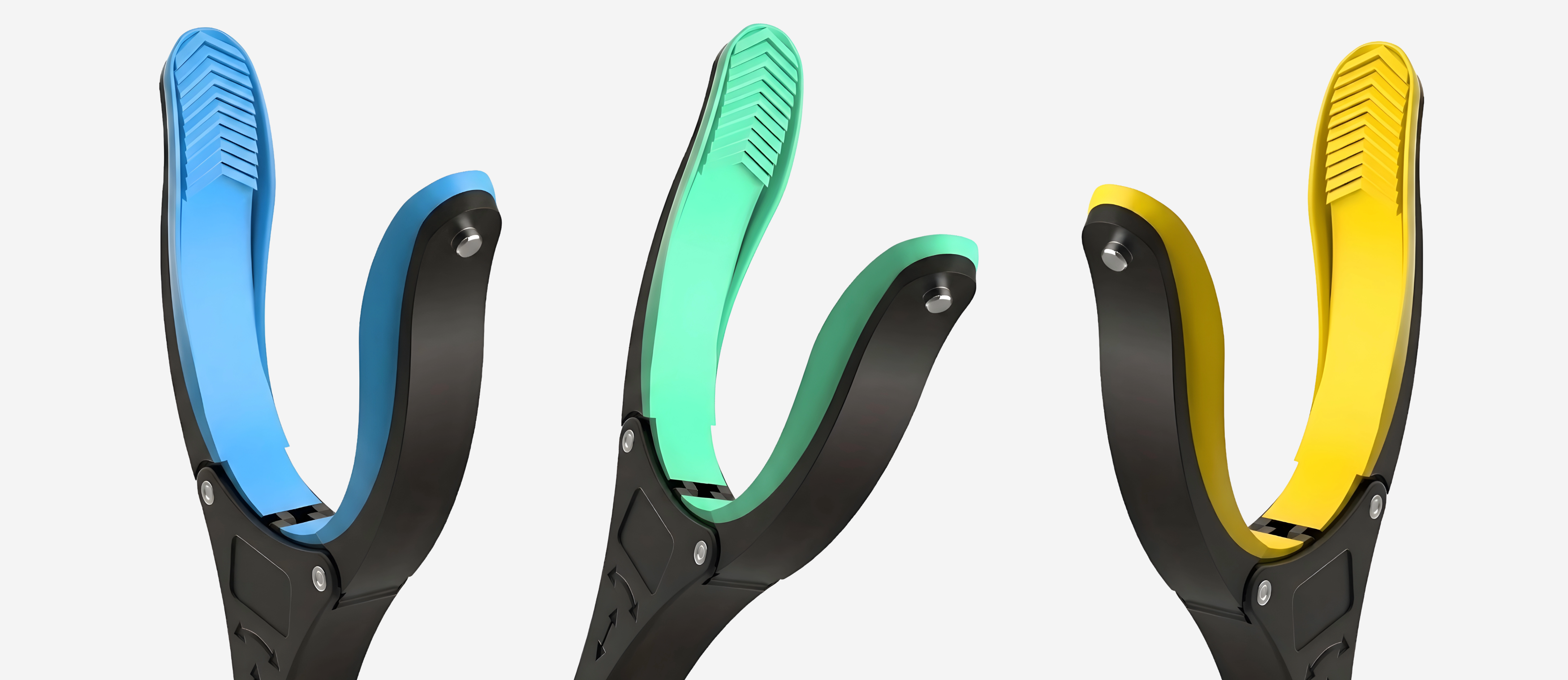
Direct answer: PICS adaptive kitchen tools address the profound generalized weakness of ICUAW and the cognitive limitations that affect kitchen safety. Unlike most other conditions in this article series, PICS is expected to improve significantly over 6-12 months as muscle mass and strength recover -- making adaptive tools a bridge to full recovery rather than a permanent accommodation. The reacher addresses floor-level retrieval when bending and rising are unsafe due to weakness. The electric jar opener addresses the grip weakness that ICUAW produces. The GrabbersTool 32-inch Reacher and Electric Jar Opener are the primary bridge tools during PICS recovery.
PICS Recovery Timeline and Adaptive Kitchen Strategy
| PICS Recovery Phase | Physical Status | Kitchen Strategy |
|---|---|---|
| Hospital discharge (weeks 0-2 post-ICU) | Profound weakness; may require walker or wheelchair; cannot stand for sustained periods; falls very high risk; cognitive impairment prominent | No independent kitchen use; caregiver prepares all meals; patient sits to eat only; home rehabilitation before kitchen return |
| Early home recovery (weeks 2-8) | Strength slowly returning; walker use; fatigue severe; cognitive fog improving; beginning outpatient PT and OT | Supervised simple kitchen tasks seated; electric jar opener for minimal-effort jar access; reacher for floor items; caregiver present for all cooking; very simple meals only |
| Mid-recovery (months 2-6) | Significant strength recovery; walking without aid or with cane; endurance building; cognitive function improving; PTSD and depression may be prominent | Gradual return to kitchen independence; electric jar opener continues until grip fully recovered; reacher as backup; OT-guided kitchen assessment and retraining |
| Late recovery (months 6-18) | Most physical recovery achieved; some residual weakness possible; cognitive and psychiatric symptoms ongoing but improving | Full kitchen independence targeted; adaptive tools no longer needed for most patients; PTSD and cognitive support ongoing; nutrition for continued muscle rebuilding |
Browse the adaptive kitchen collection and Electric Jar Opener for PICS kitchen return support.


