

"Aging in place" has become a comfortable phrase that obscures a specific operational challenge. Staying in your own home as mobility and strength change requires that the physical environment and available tools keep pace with those changes. Most homes are not designed for this. Most people address each emerging limitation reactively — after a fall, after a hospitalization, after a task becomes impossible — rather than proactively. The proactive approach costs a fraction of the reactive one, and produces a fundamentally different daily experience.
Direct answer: successful aging in place requires three categories of infrastructure: fall prevention modifications (bathroom grab bars, stair rails, floor hazard removal), adaptive tools for daily living tasks (reachers, adaptive openers, mobility aids), and a realistic assessment of which tasks have become difficult before they become impossible. The GrabbersTool Ergonomic Mobility collection and Easy Grip Kitchen Openers address the adaptive tools category across the daily task domains where independence erodes most predictably.
The Three Domains Where Independence Erodes First
Occupational therapists working in home care identify three functional domains that decline first and most visibly as mobility changes:
1. Floor-level and overhead access
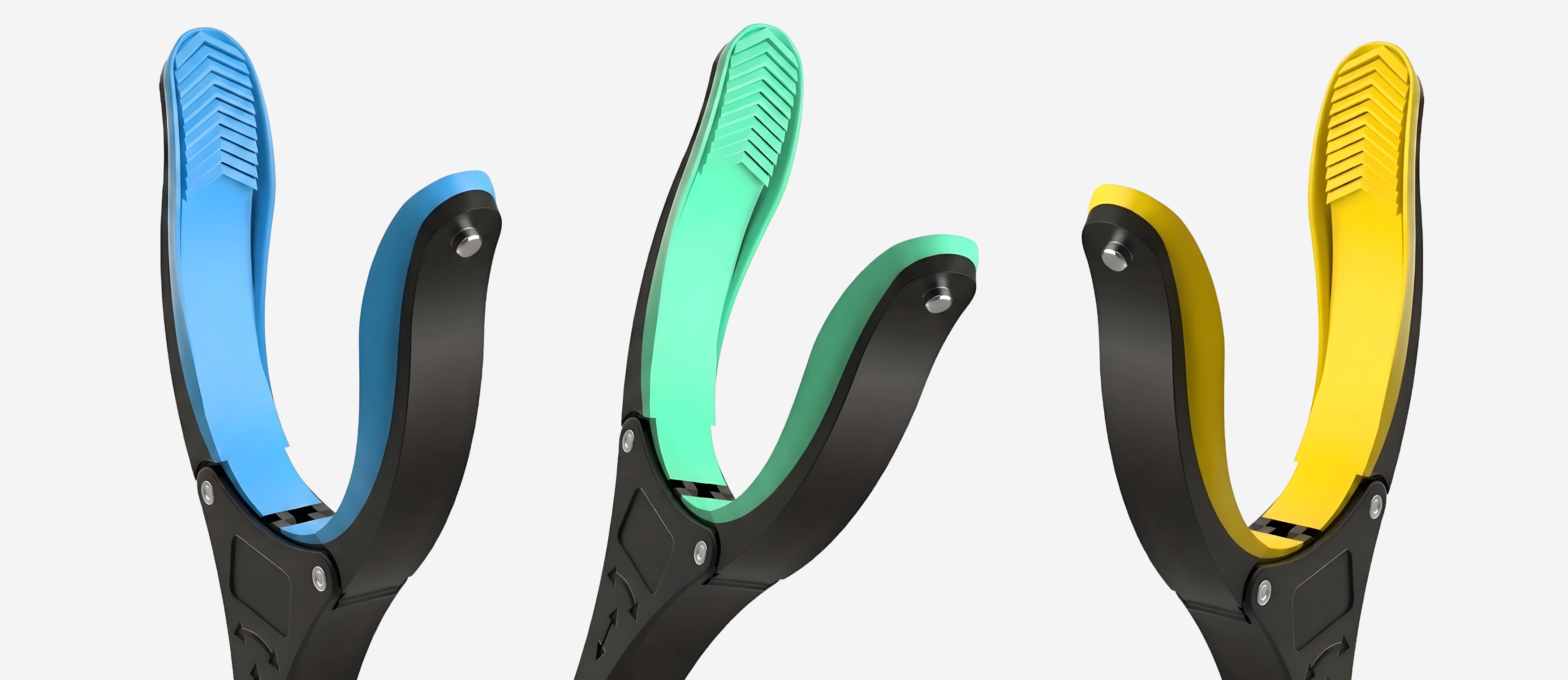
Items dropped on the floor become inaccessible without risk. Items stored at head height or above require a step stool that becomes dangerous. This domain is addressed almost entirely by a long-reach reacher grabber — the GrabbersTool 32" or 43" Reacher eliminates both problems without structural change.
2. Grip-strength-dependent kitchen tasks
Jar opening, can opening, bottle cap removal, and package cutting all require hand force that diminishes with age and joint changes. These tasks compound: a person who cannot open the medication bottle, then cannot open the food jar, then cannot open the canned good is facing a kitchen that is functionally closed to them. The adaptive opener category — Electric Jar Opener, Electric Can Opener, Multi-Opener 5-in-1 — reopens this domain.
3. Sit-to-stand transfers and walking stability
Rising from a chair, toilet, or bed becomes effortful, then difficult, then unsafe without support. Walking stability changes — the flat floor becomes less reliable, outdoor terrain becomes threatening. The Standing Assist Tool and Walking Cane address the transfer and ambulation phases of this domain.
What Each Domain Costs When It Fails
| Domain | Reactive Response (After Failure) | Estimated Cost | Proactive Tool Cost |
|---|---|---|---|
| Floor/overhead access | Fall, emergency care, rehabilitation | $15,000–$50,000+ (fall hospitalization) | $35–$46 (reacher grabber) |
| Kitchen grip tasks | Nutritional limitation, increased aide hours | $25–$35/hour aide cost ongoing | $28–$56 (adaptive openers) |
| Sit-to-stand/walking | Fall, fracture, extended inpatient recovery | $30,000–$80,000 (hip fracture hospitalization) | $48–$80 (assist tool + cane) |
GrabbersTool's full product range for home independence — including specifications, compatibility notes, and task-specific guidance — is available on each product page. The cost comparison above is based on published national average figures for emergency and rehabilitation care. View the complete collection →
The Home Assessment That Should Happen Before a Crisis
Occupational therapists offer home safety assessments — either through hospital discharge planning or through private referral — that identify specific hazards and recommend targeted modifications. The assessment typically covers:
- Bathroom: grab bar placement, shower entry, toilet height
- Bedroom: bed height, lighting, pathway to bathroom
- Kitchen: storage reach, appliance access, standing duration requirements
- Stairways: rail placement, step depth and height, lighting
- Entrances: threshold heights, door handle types, exterior step management
The adaptive tool recommendations that emerge from these assessments — reachers, bath aids, mobility tools — are consistently the first-line interventions recommended before any structural modification is proposed. GrabbersTool's product range aligns with the adaptive tool category that occupational therapists recommend in this assessment context.
The Psychological Dimension: Maintaining Identity Through Independence
Research in gerontology consistently identifies the maintenance of daily independence as a central factor in quality of life, self-concept, and psychological wellbeing as mobility changes. The ability to make a meal, retrieve a dropped item, or get out of a chair without calling for help is not just functional — it is a statement about identity and agency.
GrabbersTool's support team hears this expressed directly: customers who regain independence in specific daily tasks — even small ones — report a change in their overall daily experience that goes beyond the functional utility of the tool. This is consistent with what Ryan and Deci (2000) describe in Self-Determination Theory: competence and autonomy are fundamental psychological needs whose satisfaction produces wellbeing regardless of context or age.
A Practical Starting Point
For someone beginning to address aging-in-place proactively, GrabbersTool recommends a simple three-step starting assessment:
- Identify the tasks that have become effortful in the last 6–12 months — not impossible, but requiring more effort or causing more discomfort than they used to.
- Map each to a domain — access/reach, grip/opening, or transfer/mobility.
- Address each domain with the lowest-cost, highest-impact tool first — reacher for access, adaptive opener for grip tasks, assist tool for transfers.
The goal is to address each limitation before it becomes a risk, rather than after it has produced an incident.
See also: How to Make a Kitchen Accessible Without a Renovation, Standing Up From a Chair Without Help, and the Psychology of Asking for Help for the broader independence framework.


