

One-handed cooking is not a limitation to cook around -- it is a skill with a specific set of techniques and tools that, once learned, enables full kitchen independence. GrabbersTool support team hears from people who have recently become one-handed -- through stroke, amputation, or injury -- who believe their kitchen independence is permanently reduced. It is not. The majority of kitchen tasks that appear to require two hands can be accomplished with one functional hand and the correct adaptive equipment. The learning curve is real, but the endpoint is genuine independence.
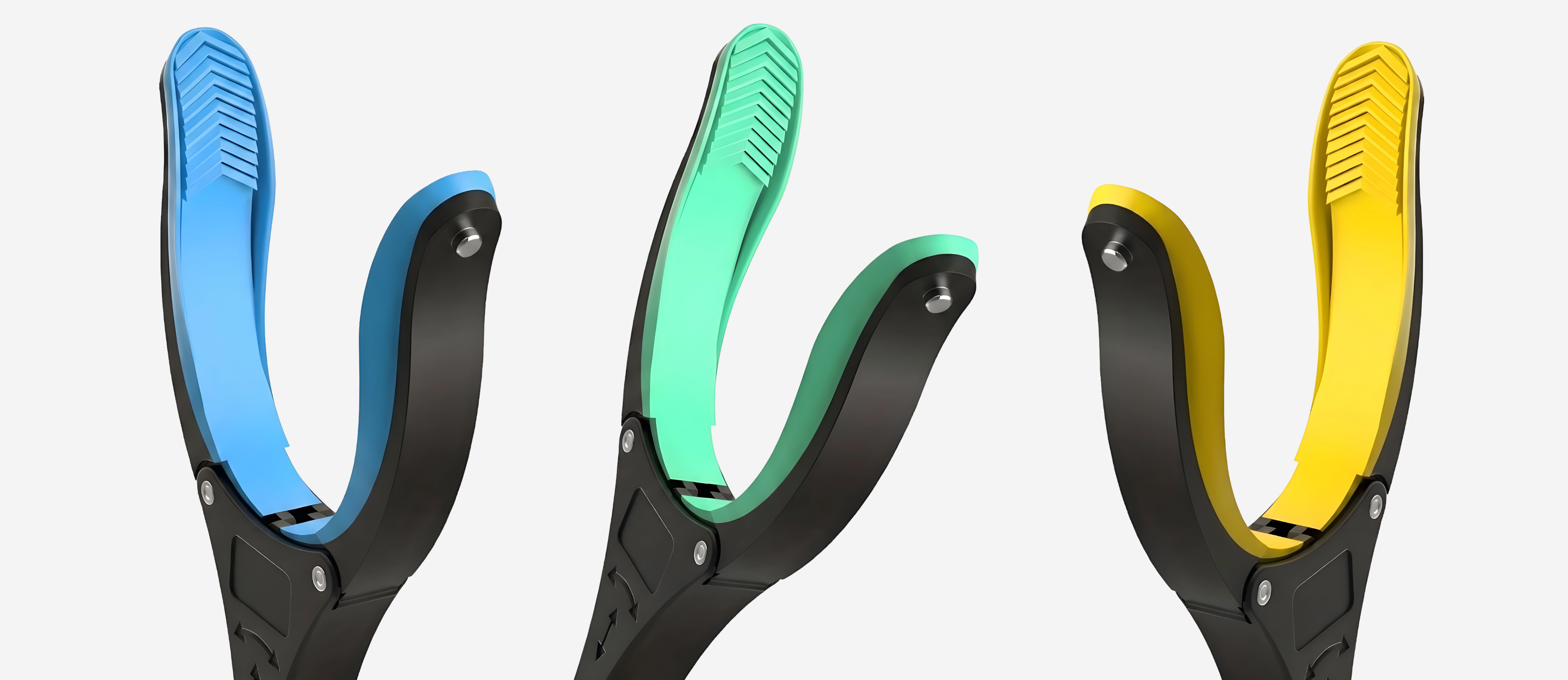
Direct answer: one-handed cooking adaptive tools prioritize container stabilization (the function the second hand provided). The GrabbersTool Electric Jar Opener stabilizes and opens jars mechanically -- no second hand needed. The Electric Can Opener does the same for cans. For object retrieval, the Reacher Grabber functions as a one-handed tool by design. The universal cuff and dycem non-slip mat (outside GrabbersTool scope, but widely used in one-handed cooking) address the stabilization function for cutting and mixing.
The Two-Hand Assumption in Standard Kitchen Design
Most kitchen tasks appear to require two hands because standard tools are designed for bilateral use:
- Jar opening: one hand stabilizes, one hand rotates -- addressable with electric opener
- Can opening: one hand holds, one hand drives the opener -- addressable with electric opener
- Chopping: one hand holds food, one hand holds knife -- addressable with suction-cup cutting board, fork-style stabilizer
- Pouring: one hand holds container, one hand steadies recipient -- addressable with pouring assistance devices
- Bowl mixing: one hand holds bowl, one hand uses spoon -- addressable with bowl-holding devices and dycem
One-Handed Opening: The GrabbersTool Solution
| Container Type | Standard Two-Hand Method | One-Hand Adaptive Solution |
|---|---|---|
| Jar (any size) | Grip jar with one hand, twist lid with other | Electric Jar Opener -- place, press button, done |
| Can (any standard size) | Hold can, drive manual opener | Electric Can Opener -- place on edge, press lever |
| Bottle caps and ring pulls | Hold bottle, grip cap | 5-in-1 Multi-Opener -- lever against stable surface |
| Cardboard boxes (cereal, etc.) | Hold box, pull top open | Brace against body; open with one hand |
| Vacuum-sealed packaging | Pull pull-tab with both hands | Multi-Opener tab grip; or scissors |
Electric opener specifications and operation details are on the product pages. View Electric Jar Opener specifications
One-Handed Techniques for Kitchen Tasks
Beyond adaptive tools, one-handed cooking uses technique adaptations:
- Bracing against the body: a bowl pressed against the torso is stabilized -- stir with the functional hand
- Counter-edge stabilization: push the container against the counter edge or wall for stability while the hand operates the tool
- Suction-based stabilization: suction-cup cutting boards and bowl holders (from kitchen adaptive retailers) adhere to the counter to stabilize items without a second hand
- Dycem non-slip mat: a small piece of dycem under a bowl, plate, or cutting board prevents sliding during one-hand operation
- Pre-portioned foods: reducing the number of containers opened per meal reduces the total adaptive tool demand per cooking session
Hemiplegia vs Amputation: Technique Differences
Hemiplegia (from stroke or brain injury) presents a different functional profile than upper limb amputation. Hemiplegia may leave residual function in the affected arm -- some people can use the affected arm for stabilization even without grip function. Upper limb amputation has no residual arm function on that side but may have a functional prosthesis for some tasks. One-handed cooking techniques apply to both, but the stabilization approaches differ based on what the non-functional limb can contribute. Occupational therapists who specialize in one-handed cooking can assess the specific functional profile and customize technique recommendations.
Rebuilding Kitchen Confidence After Acquiring One-Handedness
GrabbersTool customers who have recently become functionally one-handed -- through stroke recovery, amputation, or injury -- describe a period of kitchen avoidance driven by anticipated failure rather than actual functional limitation. The first time someone opens a jar successfully with the electric jar opener, the kitchen avoidance pattern is disrupted. Starting with the simplest one-handed tasks (pouring a pre-poured drink, pressing a button on an electric opener) and building to more complex tasks systematically rebuilds kitchen confidence and competence. Occupational therapy for one-handed ADL retraining accelerates this process.
See also: Upper Limb Amputation and Adaptive Daily Tools: One-Handed Techniques and Equipment and Stroke Recovery: A 12-Week Adaptive Tool Roadmap.
Browse Easy Grip Kitchen Openers and Reacher Grabber Tools.


