

Systemic lupus erythematosus creates an adaptive challenge that differs from most musculoskeletal conditions because of its unpredictability. A person with RA or OA has some functional consistency from day to day -- the same joints are affected, the same tasks are limited. A person with lupus may have a week of near-normal function followed by a flare that produces joint pain, profound fatigue, neurological symptoms, and skin sensitivity simultaneously -- with no reliable warning. The kitchen setup for lupus must be built around the flare state, not the remission state, because flares arrive unannounced and the person must eat and manage daily tasks regardless of whether they are in remission or active disease.
Direct answer: for systemic lupus erythematosus, the adaptive kitchen approach is flare-ready rather than need-dependent. The GrabbersTool Electric Jar Opener and Electric Can Opener should be on the counter and in regular use -- not stored in a cabinet for bad days. When a lupus flare arrives with joint pain and fatigue, the person should not have to locate and set up adaptive tools; they should already be in position and familiar.
Lupus Flare Manifestations and Kitchen Task Impact
| Flare Manifestation | Kitchen Task Affected | Adaptive Tool |
|---|---|---|
| Arthritis/arthralgia (joint pain -- hands, wrists) | Grip painful; jar opening, can opening, fine motor tasks | Electric Jar Opener + Electric Can Opener |
| Profound fatigue (flare-associated) | Any physical effort produces exhaustion disproportionate to task | Electric tools minimize physical effort for container tasks |
| Photosensitivity (avoid sunlight) | Indirect -- limits outdoor activity, increases time at home needing kitchen self-management | Increased reliance on independent home kitchen function |
| Cognitive dysfunction (lupus fog) | Multi-step tasks harder; error rate increases | Simple-operation electric tools -- fewer decision points |
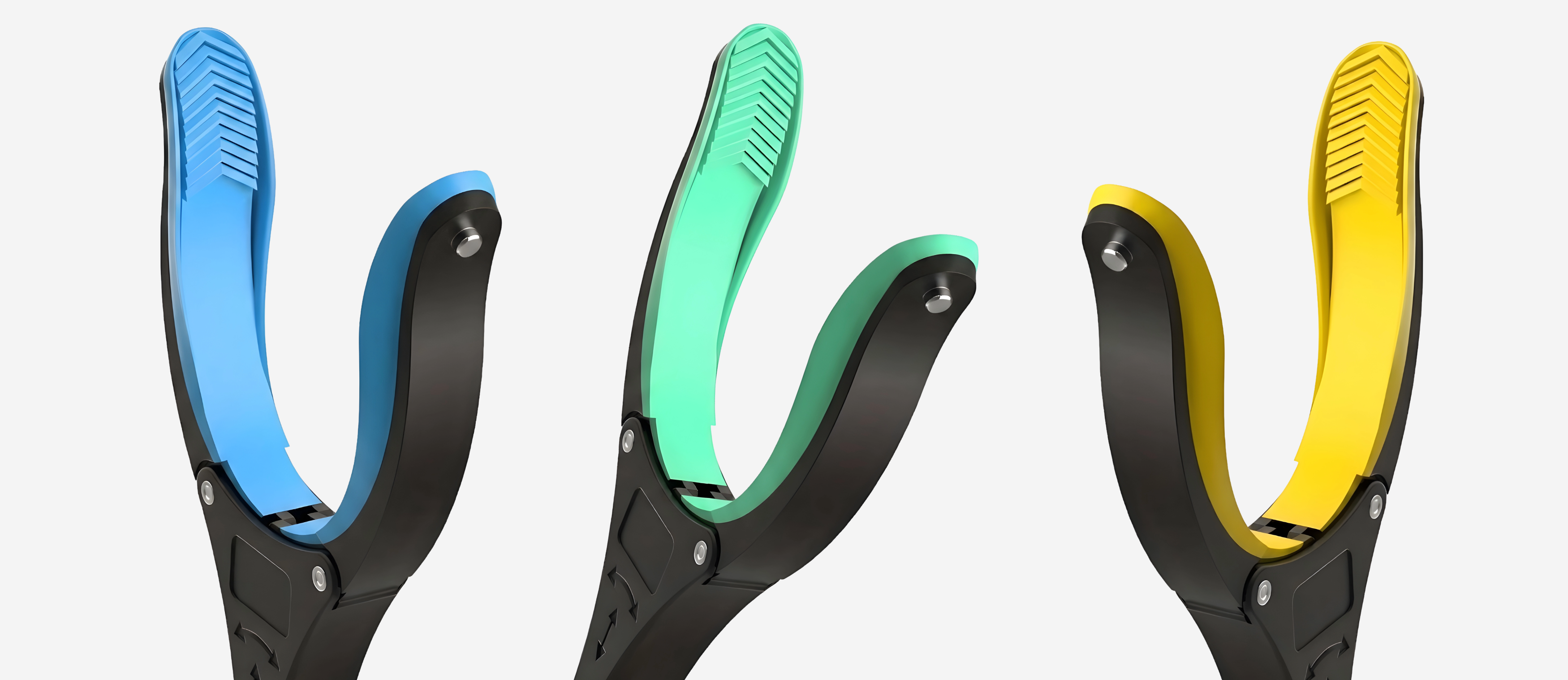
| Serositis (chest/abdominal pain) | Reaching, twisting, and bending painful | Reacher Grabber -- no trunk rotation required for floor retrieval |
Product specifications and operation details are on each product page. View Electric Jar Opener.
Lupus Nephritis and Kitchen Task Modification
Lupus nephritis -- kidney involvement in SLE -- occurs in approximately 40-60% of lupus patients and may require dietary modification (low-sodium, low-protein, or low-potassium diets) and in advanced cases, dialysis. The dietary restriction associated with lupus nephritis increases cooking complexity: more foods are made from scratch rather than from processed sources, increasing the frequency of container-opening tasks. Simultaneously, lupus nephritis patients may be in a higher-fatigue state from the disease and from dialysis. The electric opener reduces the effort cost of the increased cooking required by the restricted diet. See also: CKD and Dialysis: Adaptive Tools for Kitchen Energy Conservation.
UV and Heat Sensitivity: Lupus Kitchen Environment
Lupus photosensitivity means that kitchen windows in direct sunlight or fluorescent lighting that approximates UV wavelengths can trigger symptoms during cooking. The adaptive tool connection is indirect: lupus patients who need to avoid kitchen sun exposure may be limiting cooking to early morning or evening, when household support is less available. The kitchen independence that adaptive tools provide is more important during these preferred low-light cooking windows. The electric jar opener and can opener in particular are reliable at any hour without caregiver assistance.
Lupus and Young Adults: The Working-Age Adaptive Population
Lupus disproportionately affects women of childbearing age (20-40 years), a demographic that is working, parenting, and managing multiple household responsibilities. This population is often not the typical adaptive tool customer -- they may be reluctant to adopt tools associated with elderly or severely disabled individuals. GrabbersTool works with this population specifically by framing adaptive kitchen tools as functional efficiency tools, not disability aids. The same reframing that works for psychology-aware adaptive tool adoption applies here: these are tools that make cooking faster and less painful, not concessions to disease. See also: The Psychology of Accepting Adaptive Tools: Identity, Autonomy, and the Decision to Change.
Browse Easy Grip Kitchen Openers and Reacher Grabber Tools.


