

Scleroderma -- systemic sclerosis -- is one of the most functionally disabling conditions GrabbersTool encounters in customer conversations, yet it is rarely discussed in mainstream adaptive tool resources. The combination of skin fibrosis (which tightens the skin over the fingers and hands, reducing flexion range), Raynaud phenomenon (which makes cold exposure agonizing and causes temporary functional loss in the hands), digital ulcers (which make any finger pressure painful), and esophageal dysmotility (which restricts what can be eaten) creates a complex of limitations that affect every aspect of kitchen function. Scleroderma patients need adaptive kitchen tools not as a convenience but as a daily medical necessity.
Direct answer: for scleroderma (systemic sclerosis), the primary adaptive kitchen tools address three separate challenges: Raynaud management (warm tools, avoid cold metal contact), skin tightening grip loss (electric tools requiring no pinch grip), and finger ulcer contact pain (tools that avoid pressure on affected digits). The GrabbersTool Electric Jar Opener addresses all three: no cold metal contact required, no pinch grip needed, no finger pressure on ulcerated digits during operation.
Scleroderma Kitchen Challenge Profile
| Scleroderma Manifestation | Kitchen Task Affected | Adaptive Tool Solution |
|---|---|---|
| Skin fibrosis: reduced finger flexion | Cannot form cylindrical grip for jar lids; reduced hand closure | Electric Jar Opener -- palm contact, no finger curl required |
| Raynaud phenomenon | Cold refrigerator contents cause vasospasm and pain on contact | Insulated gloves; Reacher to retrieve refrigerator items without cold hand contact |
| Digital ulcers (fingertip) | Any fingertip pressure painful; grip avoided | Electric openers with palm-based operation; avoid tools requiring fingertip force |
| Esophageal dysmotility (difficulty swallowing) | Restricted diet -- softer foods; more jar and can use for prepared foods | Electric openers for increased container-opening frequency |
| Reduced mouth opening (microstomia) | Eating utensil adaptation needed; not directly an opener issue | Outside scope of GrabbersTool product line; OT referral for eating aids |
Electric opener contact surface and operation mechanics are detailed on the product page. View Electric Jar Opener specifications.
Raynaud and the Kitchen Cold Exposure Challenge
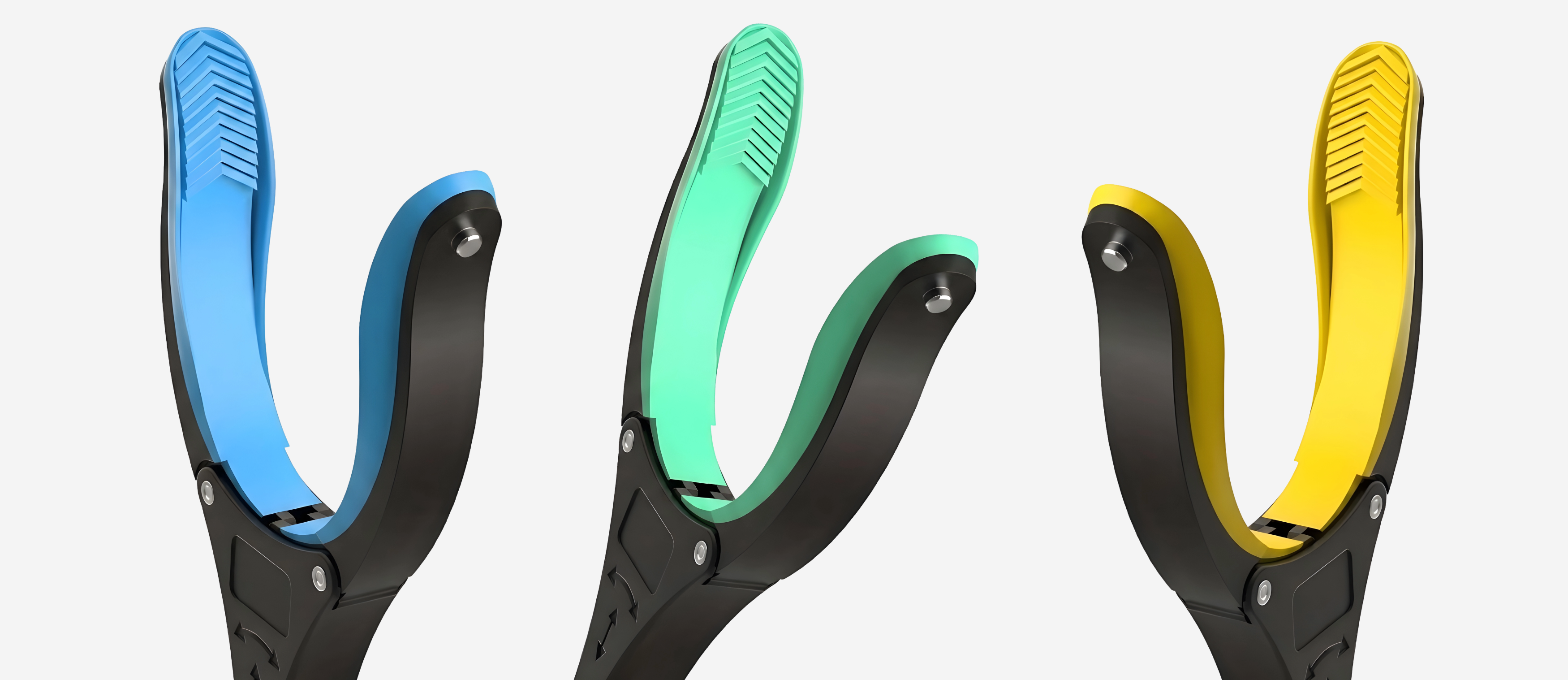
Scleroderma-associated Raynaud is typically more severe than primary Raynaud (which occurs without associated connective tissue disease). The kitchen creates multiple cold exposure points: refrigerator contents, frozen food handling, cold running water for food prep. Each cold exposure can trigger a Raynaud episode -- vasospasm that turns fingers white, then blue, then red as blood flow returns, with pain throughout. The reacher grabber addresses one specific cold-kitchen problem: retrieving items from the bottom of the refrigerator without requiring direct cold-surface contact by the hand. The reacher jaw contacts the item instead of the finger. See also: Raynaud Phenomenon: Adaptive Tools for Cold-Triggered Vasospasm in the Kitchen.
Limited Scleroderma (lcSSc) vs. Diffuse Scleroderma (dcSSc)
Limited cutaneous systemic sclerosis (lcSSc, including CREST syndrome) involves skin fibrosis primarily in the hands, face, and forearms. Diffuse cutaneous systemic sclerosis (dcSSc) involves more extensive skin fibrosis including the trunk. For adaptive tool purposes, the hand involvement is the primary determinant: both presentations affect hand function when finger skin fibrosis is present. The lcSSc presentation with CREST features (Calcinosis, Raynaud, Esophageal dysmotility, Sclerodactyly, Telangiectasia) creates a high frequency of Raynaud episodes and significant sclerodactyly (finger skin tightening) that specifically limits grip. The adaptive tool recommendations are similar for both presentations when the hands are affected.
Scleroderma and Fatigue: Energy Conservation in the Kitchen
Fatigue is highly prevalent in scleroderma -- driven by the systemic inflammation, internal organ involvement, and disrupted sleep from pain and pruritus. Energy conservation applies to the scleroderma kitchen exactly as it does to lupus, RA, and other connective tissue diseases: electric kitchen tools reduce the physical and cognitive effort of container opening, freeing energy budget for other activities. GrabbersTool customers with scleroderma describe the electric opener as reducing the frustration and effort load of meal preparation, particularly on high-Raynaud days when the hands have already experienced multiple vasospasm episodes before cooking begins. See also: Mixed Connective Tissue Disease: Adaptive Tools for Overlapping Symptoms.
Browse Easy Grip Kitchen Openers and Reacher Grabber Tools.


