

Kitchen independence is one of the last abilities Parkinson disease patients describe wanting to surrender -- and one of the first that tremor and bradykinesia threaten. Cooking requires the combination of skills that PD targets most directly: fine motor grip for container opening, sustained hold for pouring and stirring, timing and sequencing for multi-step tasks, and safe management of heat and sharp objects when motor control is unpredictable. GrabbersTool works specifically with Parkinson disease patients and their caregivers on kitchen adaptive strategies, and the recurring theme is that electric tools are not luxury convenience -- they are the mechanism by which kitchen independence is maintained as motor symptoms progress.
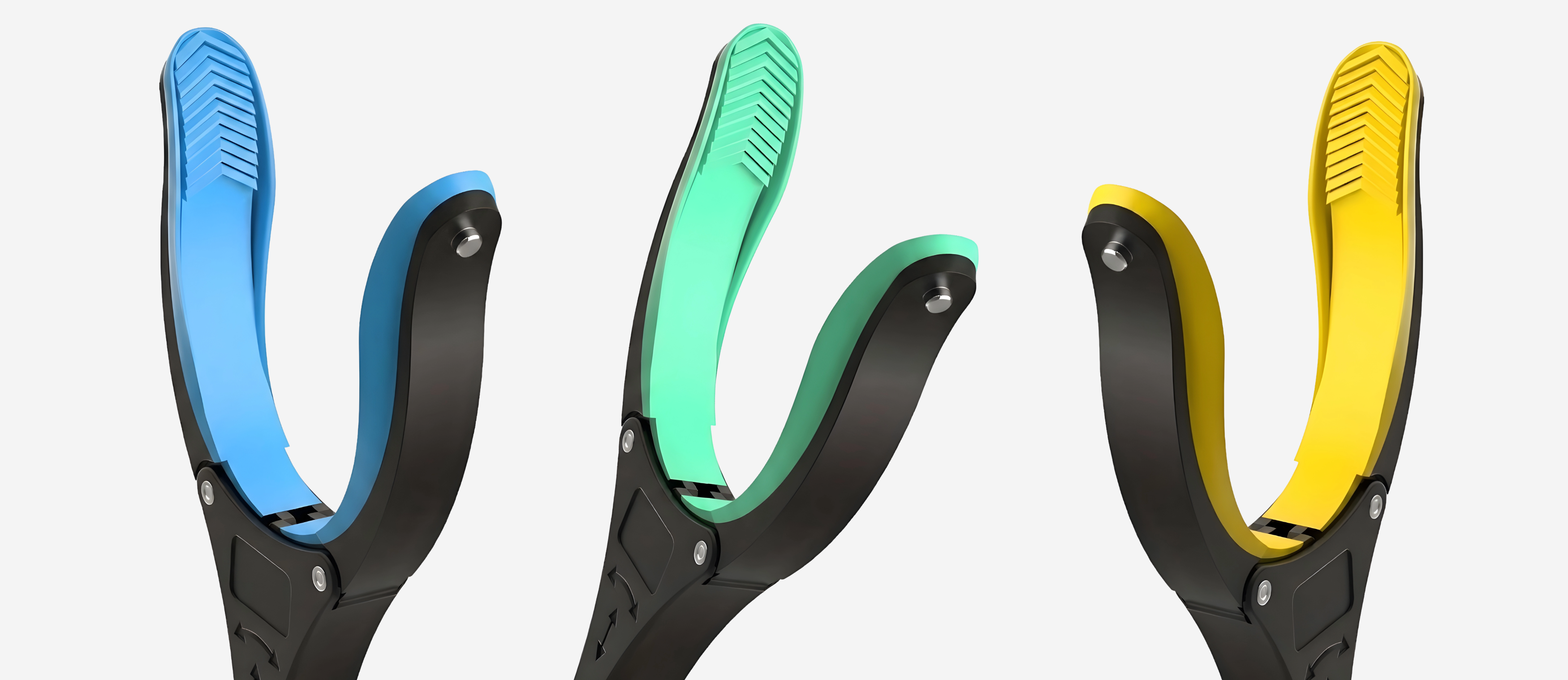
Direct answer: for Parkinson disease kitchen independence, the highest-priority tools address the tasks most affected by tremor and bradykinesia: the GrabbersTool Electric Jar Opener completes jar opening with one button press regardless of tremor severity; the Electric Can Opener mechanically drives the can opening process without sustained grip; the Reacher Grabber retrieves dropped items safely without the floor-bending sequence that PD postural instability makes hazardous.
PD Motor Symptoms and Specific Kitchen Tasks
| PD Symptom | Affected Kitchen Task | Adaptive Solution |
|---|---|---|
| Resting tremor (hand) | Jar opening (grip and rotate), precise pouring | Electric Jar Opener; weighted cups (outside scope) |
| Bradykinesia (slow initiation) | All multi-step tasks -- timing becomes difficult | Electric tools that complete single-step operations |
| Rigidity (reduced grip initiation) | Tight jars, stiff caps, resistant containers | Electric Jar Opener, 5-in-1 Multi-Opener |
| Postural instability | Bending to retrieve dropped items, reaching overhead | Reacher Grabber for floor and overhead access |
| On-off motor fluctuations | Tasks that were manageable 30 minutes ago may not be manageable now | Electric tools that function independently of motor state |
Electric opener specifications are on the product pages. View Electric Jar Opener specifications
The On-Off Phenomenon and Kitchen Planning
Parkinson disease patients on levodopa therapy experience motor fluctuations: periods of good motor control (on state) and periods of severe symptom breakthrough (off state). Kitchen tasks started during an on period may need to be completed during an off period when motor control is substantially reduced. Adaptive tools that function across both states -- electric openers that do not require fine motor control in either state -- allow meal preparation to proceed regardless of the current motor period. Planning meals for the on state and using electric tools for all opening tasks reduces the risk of kitchen safety incidents during unexpected off periods.
The Dropped Item Problem: PD-Specific Risk
Tremor and grip instability cause PD patients to drop items more frequently than other conditions -- and the postural instability of PD makes bending to retrieve dropped items from the floor a meaningful fall risk. A person who bends without adequate balance control may fall forward or lose balance during the rise. GrabbersTool customers with PD and their caregivers consistently identify floor retrieval as the kitchen safety concern that prompted the initial reacher grabber purchase. Having a reacher within arm reach of the primary kitchen preparation area eliminates the bend-and-retrieve sequence entirely.
Medication Timing and Kitchen Performance
For PD patients on scheduled levodopa therapy, motor performance is best approximately 30-60 minutes after medication and declines toward the end of the dose cycle. Scheduling kitchen tasks that require more motor control (chopping, pouring) for the medication peak period, and relying on electric tools for the tasks that occur outside the peak period, optimizes both safety and independence. This meal planning and timing strategy complements adaptive tool use rather than replacing it.
Involving the Neurologist and Occupational Therapist
Neurologists managing PD can advise on medication timing optimization for kitchen activities. Occupational therapists with Parkinson disease experience can conduct a kitchen assessment and recommend specific adaptive strategies beyond the tools described here (adaptive cutting boards, dycem non-slip surfaces, universal cuff utensils). GrabbersTool tools address the container opening and retrieval components; the OT assessment covers the full kitchen task inventory.
See also: Parkinson Disease Caregiving: Adaptive Tools That Support Both Patient and Caregiver and Essential Tremor and Adaptive Tools: Managing Hand Shakiness in Daily Life.
Browse Easy Grip Kitchen Openers and Reacher Grabber Tools.


