

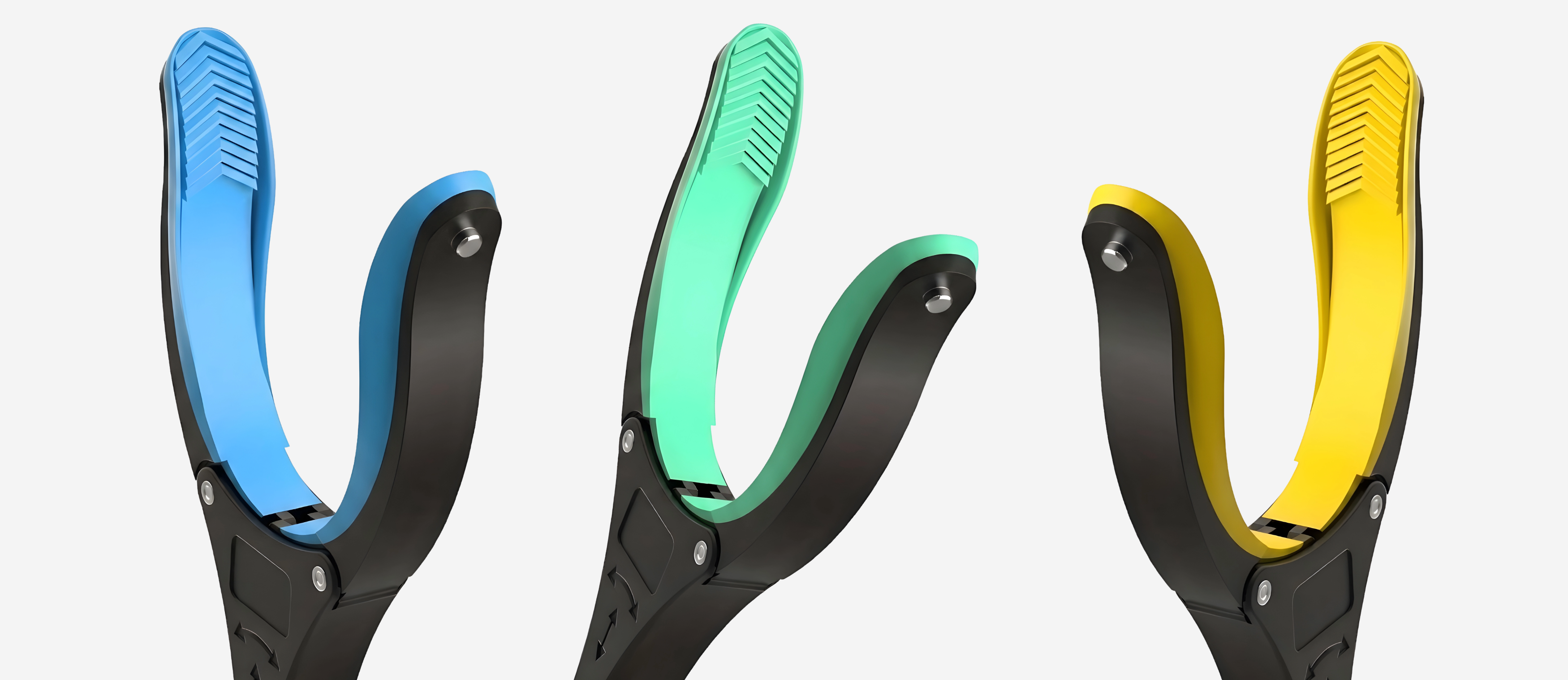
Adaptive tool recommendations for autism and sensory processing differences require a different frame than most disability categories. The challenge is not typically strength, range of motion, or pain -- it is sensory experience, motor planning, and the way the tool itself interacts with sensory preferences that may be highly individual. A tool that functions perfectly for a user with arthritis may be aversive to an autistic user because of its texture, sound, or the sensory feedback it produces. GrabbersTool addresses this dimension by offering tools with different sensory profiles -- and by acknowledging that the fit between person and tool is more individual in this population than in most others.
Direct answer: for autistic people and those with sensory processing differences, adaptive tool selection prioritizes sensory compatibility (texture, sound, tactile feedback) alongside function. Electric openers that produce consistent, predictable mechanical sounds are more compatible with sensory sensitivities than variable-feedback manual tools. The GrabbersTool Electric Jar Opener produces a consistent motor sound during operation; the 5-in-1 Multi-Opener is mechanical and silent. Both are options depending on individual sensory preference.
Sensory Considerations in Tool Selection
| Sensory Factor | Tool Consideration | GrabbersTool Option |
|---|---|---|
| Texture sensitivity (grip handles) | Rubber vs. plastic vs. soft-grip -- preference is highly individual | Check product page material descriptions before purchase |
| Sound sensitivity | Electric motors produce consistent sound; manual tools produce variable sounds | Silent option: 5-in-1 Multi-Opener; predictable electric: Electric Jar Opener |
| Tactile feedback preference | High-resistance vs. low-resistance operation; click feedback vs. smooth | Product page descriptions; contact support for sensory detail questions |
| Visual predictability | Consistent tool appearance and placement reduces environmental change anxiety | Tool permanence on counter (same location always) is the strategy |
| Vibration sensitivity | Electric tools produce vibration during operation | Manual tools (5-in-1 Multi-Opener, Reacher Grabber) for vibration-sensitive users |
Material and texture details for each GrabbersTool product are on the product pages. View 5-in-1 Multi-Opener specifications
Fine Motor and Motor Planning Challenges
Many autistic people experience fine motor coordination differences that affect tasks requiring precise grip, bilateral coordination, or motor sequencing. Jar opening (grip, stabilize, rotate) is a multi-step bilateral motor sequence that can be challenging with motor planning differences. The electric jar opener reduces this to: place the opener over the jar (single placement action), press the button (single button press). This simplification of motor demand -- from a multi-step sequence to two discrete actions -- is beneficial independent of sensory considerations.
Demand Avoidance and Task Initiation
Some autistic people experience demand avoidance patterns where task initiation is significantly more difficult for tasks perceived as demands. For adaptive daily living purposes, reducing the friction and complexity of task completion can support initiation: a tool that requires one button press may be initiated more readily than a multi-step manual process. This is an individual consideration -- some people find the predictability of a manual multi-step routine preferable to an unfamiliar electric tool. The tool choice should be based on individual preference and consultation with the person themselves or their occupational therapist.
Reacher Grabbers and Proprioceptive Preferences
Some autistic people with sensory processing differences seek proprioceptive input -- they may prefer tools that provide more physical resistance or feedback during use. Others find resistance aversive. The reacher grabber trigger provides tactile feedback on squeeze (a mechanical click or spring resistance depending on the model). This feature is neither universally preferred nor universally avoided -- it is a sensory characteristic to be assessed for individual compatibility. GrabbersTool products are available with different grip mechanisms -- check the product page for mechanism descriptions.
Occupational Therapy and Autism
Occupational therapists with autism or sensory processing specialty are the primary professional resource for adaptive tool selection in this population. OT sensory assessments identify the specific sensory profile -- hypersensitivities, hyposensitivities, sensory-seeking behaviors -- and can guide tool selection more precisely than general recommendations. GrabbersTool tools are frequently recommended by OTs working with autistic adults in independent living contexts; an OT consultation provides the individual-level guidance that general articles cannot.
See also: Occupational Therapy Home Programs and Adaptive Tools: What OTs Recommend and Why and Adaptive Tools for College Students With Disabilities: Independence on Campus and in the Dorm.
Browse Easy Grip Kitchen Openers and Reacher Grabber Tools.


