

Relapsing-remitting MS and progressive MS are different adaptive equipment challenges. In RRMS, the functional state varies — tools needed during a relapse may not be needed in remission. In progressive MS (primary or secondary progressive), the trajectory is one-directional: function decreases over time without return to previous baseline. The adaptive tool strategy for progressive MS cannot be reactive — waiting until function is lost before acquiring tools produces a series of crises rather than a managed transition. The correct approach is proactive acquisition and adaptation, timed to functional change rather than to failure.
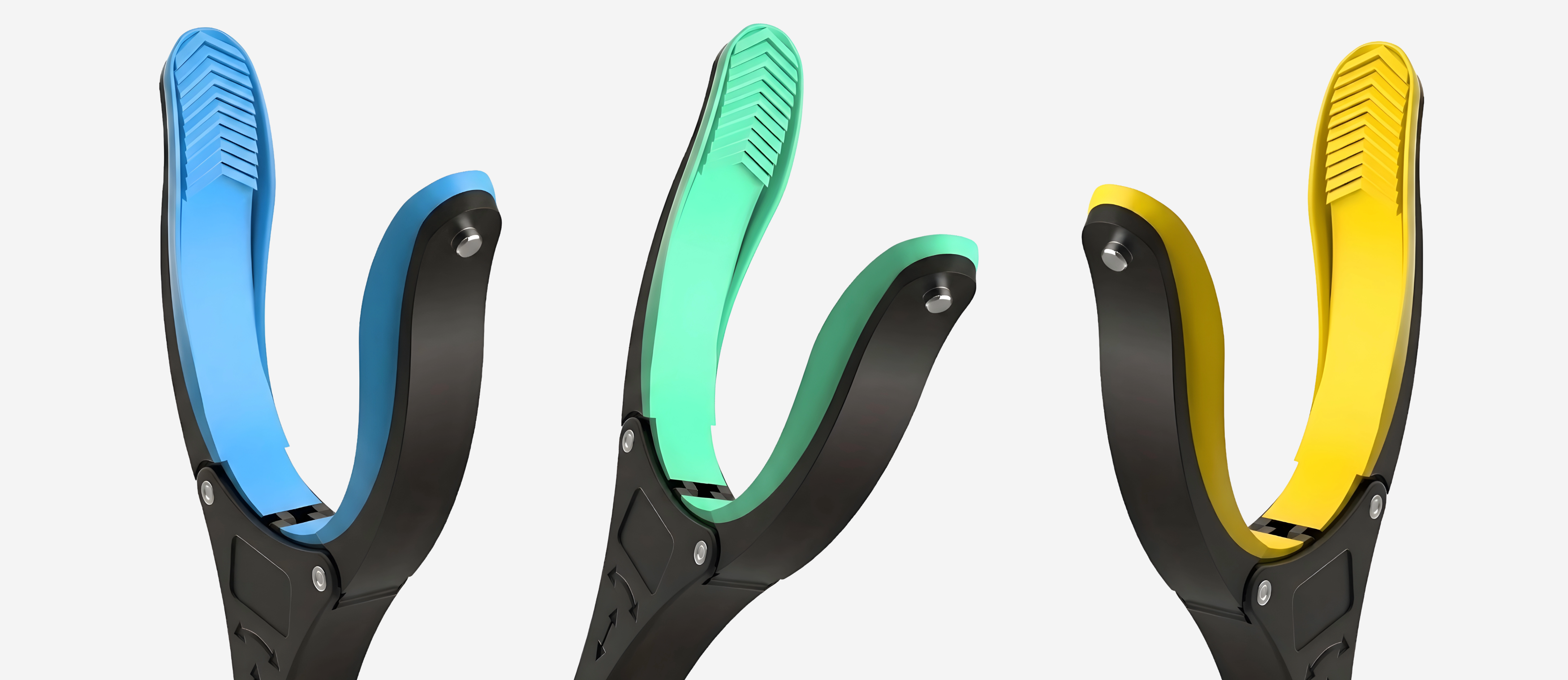
Direct answer: for progressive MS, adaptive tool planning should run 6-12 months ahead of current functional level where possible — acquiring the tool category appropriate for the next functional stage while current function still allows integration of the new tool into daily routine. Current GrabbersTool tools relevant to progressive MS progression: the Electric Jar Opener and Electric Can Opener address hand and grip decline; the Reacher Grabber addresses increasing lower limb mobility limitation; the Standing Assist Tool addresses declining transfer function; the Walking Cane and Cane Strap address ambulation safety.
The Progressive MS Functional Decline Pattern
Progressive MS causes accumulated disability through lesion accumulation in the spinal cord and brain. The functional decline pattern varies by lesion location, but common progression patterns include:
- Lower limb weakness and spasticity progressing to ambulation limitation and eventual wheelchair use
- Upper limb involvement (in PPMS and SPMS with cervical cord lesions) including hand weakness, tremor, and coordination decline
- Fatigue that worsens over the disease course, reducing functional capacity even when strength is not yet significantly impaired
- Bladder and bowel function changes (managed separately from mobility adaptive tools)
- Cognitive changes that may affect task planning and safety decisions
The Proactive Tool Selection Timeline
| Current Functional Status | Acquire Now (for next stage) | Already Using |
|---|---|---|
| Ambulating without aid; grip and hand intact | Electric Jar Opener; Walking Cane | - |
| Cane or stick use; mild hand involvement | Standing Assist Tool; Electric Can Opener | Jar opener; cane; cane strap |
| Rollator or forearm crutch; moderate hand involvement | 43" Reacher Grabber; 5-in-1 Multi-Opener | All above; standing assist |
| Wheelchair part-time; significant hand involvement | Wheelchair-optimized reacher position; caregiver coordination plan | All above; reacher at wheelchair |
Walking cane and standing assist tool specifications are relevant at specific transition points in progressive MS. The cane requires correct height calibration for the current gait pattern; the standing assist tool requires compatibility with the specific chair being used. These specifications change as the person transitions between mobility aid levels. Full specifications at Walking Cane product page and Standing Assist Tool product page.
Fatigue Management as a Distinct Layer
Progressive MS fatigue — which is both a symptom and a consequence of accumulated disability — creates a functional limitation that often exceeds what the physical examination suggests. A person who can perform a task but who experiences disproportionate fatigue from doing so is effectively more limited than the task completion alone indicates.
Adaptive tools that reduce the energy cost of daily tasks — electric openers instead of manual, reacher instead of bending — serve the fatigue management function independently of the strength decline function. As progressive MS fatigue worsens, the benefit of energy-saving tools increases even if the specific strength decline has not yet reached the point where the task is physically impossible.
The MS Multidisciplinary Team and Adaptive Equipment
Progressive MS is managed by a multidisciplinary team that typically includes a neurologist, physiotherapist, occupational therapist, and neuropsychologist in some cases. The occupational therapist is the team member primarily responsible for adaptive equipment recommendations. GrabbersTool product specifications allow the OT recommendation to be matched to a specific product at each functional transition point.
For progressive MS patients engaged with an OT, sharing the GrabbersTool product specifications with the OT allows them to match the recommendation to the specific product rather than the patient needing to interpret a generic prescription independently.
See also: Multiple Sclerosis Fatigue: How Adaptive Tools Extend Daily Energy and ALS and Daily Living: Adaptive Tools Through Progressive Motor Decline.
Browse the full GrabbersTool range at Reacher Grabber Tools, Easy Grip Kitchen Openers, and Ergonomic Mobility.


