

Sjogren syndrome is most recognized for its sicca symptoms -- dry eyes and dry mouth -- but its functional impact on daily living goes significantly beyond dryness. Musculoskeletal manifestations affect approximately 50-75% of Sjogren patients: joint pain (arthralgia), joint inflammation (arthritis), muscle pain (myalgia), and peripheral neuropathy that creates hand sensory changes. Fatigue in Sjogren is among the most severe reported for any rheumatic disease. GrabbersTool hears from Sjogren patients who are frustrated that their condition is not taken seriously because its primary symptoms are not the ones that make daily tasks difficult -- the fatigue and joint involvement are.
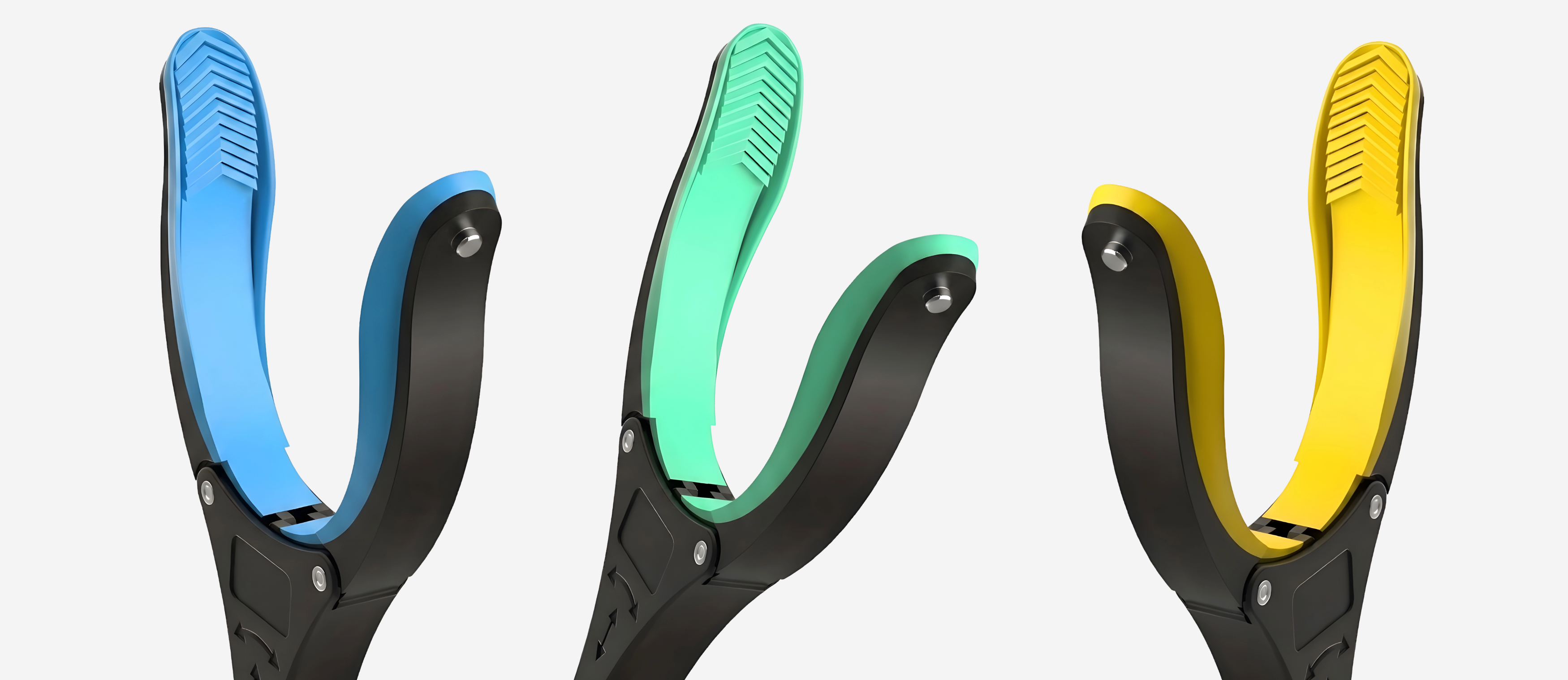
Direct answer: for Sjogren syndrome, the adaptive kitchen approach mirrors the approach for other fatigue-and-joint-dominant rheumatic diseases. The GrabbersTool Electric Jar Opener eliminates the highest-effort kitchen task (jar opening) during fatigue-limited and arthralgia-limited days. The Electric Can Opener eliminates manual lever effort. The Reacher Grabber eliminates floor-level bending during days when joint pain or fatigue makes bending difficult.
Sjogren Symptom Profile and Kitchen Impact
| Sjogren Manifestation | Kitchen Task Affected | Adaptive Tool |
|---|---|---|
| Fatigue (severe, unpredictable) | Energy budget limits total kitchen activity; effort spikes waste energy | Electric Jar Opener + Electric Can Opener -- rapid, low-effort operation |
| Arthralgia/arthritis in hands and wrists | Grip painful; jar and can opening painful | Electric openers -- no grip force required |
| Peripheral neuropathy (Sjogren-associated) | Hand sensory changes -- grip unreliable | Electric openers -- removes grip-dependent phases |
| Dry mouth: impact on food choices | May need moist food preparation -- more canned goods use | Increased jar and can opening frequency makes electric opener more valuable |
| Cognitive fatigue (brain fog) | Multi-step tasks harder; increased error rate | Simple-activation electric tools -- fewer decision points |
Product specifications and operation details are on each product page. View Electric Jar Opener specifications.
Primary vs. Secondary Sjogren: Adaptive Tool Overlap
Primary Sjogren syndrome occurs independently. Secondary Sjogren is associated with another autoimmune condition -- most commonly rheumatoid arthritis (RA), systemic lupus erythematosus (SLE), or systemic sclerosis (SSc). Patients with secondary Sjogren have the adaptive tool needs of both conditions simultaneously. The electric kitchen opener approach addresses the overlapping fatigue and grip limitation of both the primary autoimmune condition and the Sjogren component. A patient with RA and secondary Sjogren has the grip and joint limitation of RA combined with the fatigue of Sjogren -- the combined functional limitation is additive. See also: Rheumatoid Arthritis Hands: Adaptive Tools for Grip Loss and Fatigue and Lupus (SLE): Adaptive Tools for Flare Management and Joint Protection.
Sjogren and the Invisible Disability Challenge
Sjogren syndrome is an invisible disability -- the patient appears physically capable to observers while experiencing severe fatigue and significant joint pain. The social challenge of an invisible disability is compounded in kitchen settings: family members may not understand why someone who looks fine cannot open a jar. Adaptive tools that operate visibly differently from manual tools provide a concrete demonstration of the functional limitation -- the electric opener on the counter indicates a real kitchen adaptation, not a preference. GrabbersTool customers with Sjogren describe the adaptive tool setup as having secondary benefit in family communication about their condition -- it makes the adaptation visible when the condition is not. See also: The Psychology of Accepting Adaptive Tools: Identity, Autonomy, and the Decision to Change.
Browse Easy Grip Kitchen Openers and Reacher Grabber Tools.


