

The conversation about adaptive tools with an aging parent is one of the most consistently difficult family discussions — more difficult, in many cases, than the conversation about stopping driving. The resistance follows a predictable pattern: the adult child raises the topic, the parent interprets it as an implication that they are declining, the parent pushes back defensively, and the conversation ends with less progress than when it started and a strained interaction neither party wanted. The conversation fails not because the parent is wrong to have concerns but because the framing used — "you need help" or "this is for your safety" — activates exactly the autonomy and dignity concerns that create the resistance.
Direct answer: conversations about adaptive tools with resistant parents succeed when they start with the parent experience rather than the adult child concern. "I noticed you mentioned the jar thing was frustrating — I found something that might help" is a fundamentally different opening than "I think you need adaptive tools because I am worried about you." The first acknowledges the parent competence to have noticed and described their own frustration; the second positions the adult child as the authority on the parent limitations. Starting from the parent experience — not the observer concern — consistently produces better outcomes.
Why the Standard Approach Fails
Adult children typically approach adaptive tool conversations from a concern position: they have observed difficulty, they are worried about safety, and they want to solve the problem. This is a caring motivation. The conversation structure it creates — "I see that you are struggling, and I want to help you" — is problematic because it:
- Positions the parent as the observed, struggling party rather than an autonomous adult making their own decisions
- Frames the adaptive tool as a solution to a problem the parent may not acknowledge having
- Creates a power dynamic where the adult child is managing the parent rather than consulting with them
- Introduces safety language ("I am worried about you," "you could get hurt") that activates fear rather than agency
Conversation Frameworks That Work
Start With Their Words
The highest success rate comes from returning to something the parent has already said about their own experience: "Last week you mentioned that the jar lid was giving you trouble." This approach works because it does not introduce a new observation from the outside — it reflects the parent own expressed experience back to them. There is no argument because the starting point is something the parent said.
Frame It as a Convenience, Not a Necessity
"I found this for the kitchen counter — it opens jars automatically. I thought it might be convenient" is a lower-resistance entry than "I think you need this because your grip is not what it was." The convenience frame does not require the parent to acknowledge limitation to accept the gift. They can adopt it as a practical convenience rather than as a concession to decline.
Include Yourself
"I use one myself — it is actually easier than manual for everyone" normalizes the tool as a general convenience rather than a specialized limitation accommodation. This is accurate: electric jar openers, reacher grabbers, and standing assist tools have genuine convenience value regardless of health status. Including yourself in the tool narrative removes the implication that the tool is specifically for people who are struggling.
Let the First Exposure Be Low Stakes
Bringing a tool to demonstrate rather than to install and leave is less threatening. "I brought the jar opener to show you — let me show you how it works" allows the parent to evaluate and decide, rather than receiving a fait accompli that they must accept or explicitly reject.
The Tools With the Lowest Resistance
Not all adaptive tools carry equal resistance. Tools with low associations with illness or disability — and high associations with convenience — are easier introductions:
- Electric jar opener: low resistance — jar opening is universally annoying; the electric opener is practical for anyone
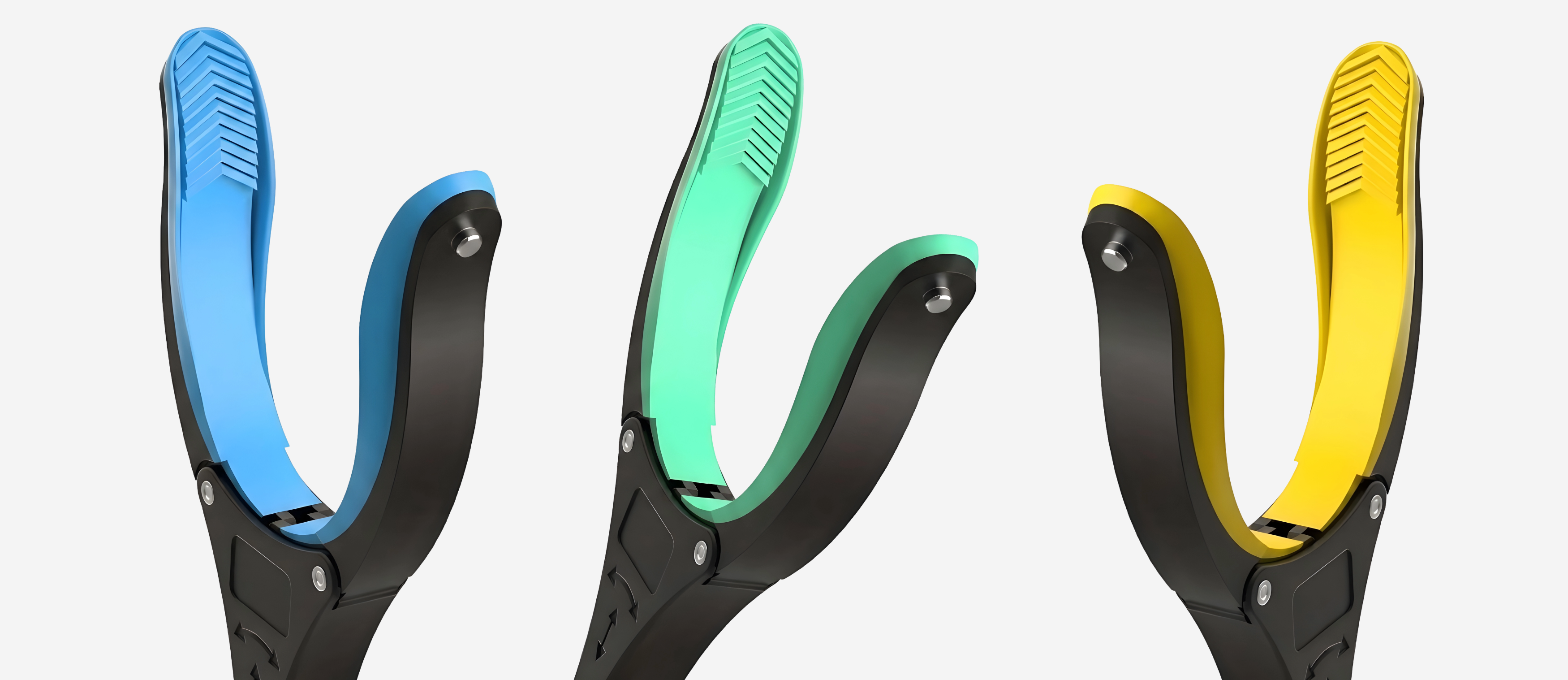
- Reacher grabber: moderate resistance — some parents accept it immediately as practical; others associate it with hospital or care home contexts
- Cane strap: low resistance for existing cane users — it is a practical improvement to something they already use, not a new category of aid
- Standing assist tool: higher resistance — associated with nursing home equipment; requires more careful framing around the specific chair and how much easier it makes a particular transfer
Starting with the electric jar opener — the lowest-resistance, highest-convenience tool — creates a positive first experience with GrabbersTool products before introducing higher-resistance items like the standing assist tool. A parent who has used the jar opener for three months and likes it is more receptive to other tool conversations than a parent who received a standing assist tool as the first item.
See also: Aging Parent at Home: The Adaptive Tool Conversation You Need to Have and Adaptive Tools for Men: Why Male Patients Delay and What Changes That.
Browse Easy Grip Kitchen Openers and Reacher Grabber Tools for the full range of tools suited to first-conversation introductions.


