

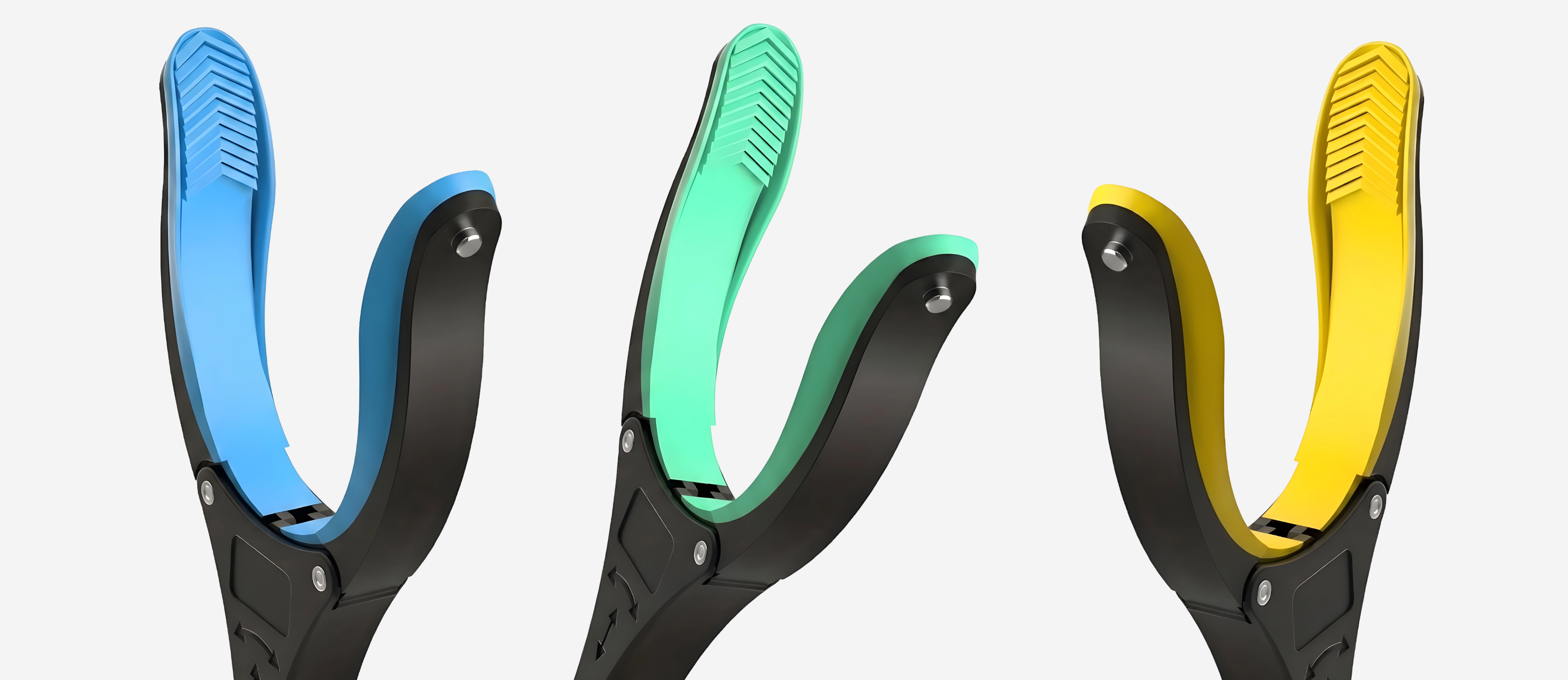
Homeowners with mobility limitations can modify their environment — grab bars installed, ramps built, doorways widened. Renters face a fundamentally different situation: most leases prohibit structural modifications, and even benign installations (grab bar through tile, temporary ramp over threshold) may violate lease terms or require landlord approval. The adaptive tool solution for apartment living must therefore work without structural modification — and because apartments are typically smaller than houses, the tools must also work in tighter spaces and require minimal storage footprint.
Direct answer: for renters without modification rights, the most effective adaptive tools are those that require zero installation: the GrabbersTool Reacher Grabber (no installation — repositioned as needed), the Electric Jar Opener and Electric Can Opener (countertop placement — no fastening required), the Standing Assist Tool (fits to existing furniture without wall attachment), the Walking Cane with Cane Strap (fully portable — no installation), and the 5-in-1 Multi-Opener (drawer or counter storage). None of these require any modification to the rental unit.
The Modification Restriction Problem
The Fair Housing Act (FHA) requires landlords of multifamily housing with four or more units to permit reasonable modifications for people with disabilities, with the tenant responsible for restoration costs at move-out. This means a tenant with a documented disability can request grab bar installation and must restore the bathroom at move-out. This pathway exists but creates barriers:
- Restoration cost responsibility discourages modification requests
- Landlord approval process adds delay during which the person manages without the modification
- Some modifications (widened doorways, accessible kitchen layout) are not practically reversible
- The process requires documentation and formal request that some tenants prefer to avoid
Portable adaptive tools bypass this entire pathway — they require no landlord approval, no restoration, and no formal accommodation request.
Small Apartment Considerations
Apartment living introduces space constraints that affect adaptive tool utility:
| Adaptive Tool | Storage Footprint | Space Constraint Consideration |
|---|---|---|
| 32" Reacher Grabber | Minimal — hangs on hook or stores beside furniture | No space issue; can be hung vertically on any wall hook |
| Electric Jar Opener | Countertop placement; compact | Counter space in small kitchens is at premium — must be positioned to not block workflow |
| Electric Can Opener | Countertop or cabinet storage | Same counter space consideration |
| Standing Assist Tool | Fits to existing furniture — no floor space | Attaches to chair or bed without additional footprint |
| Walking Cane | Leans or hangs; suspended with cane strap | Cane strap eliminates the fallen-cane floor hazard in tight spaces |
Standing assist tool dimensions — the footprint of the base and attachment point — are on the product page. In small apartments, confirming the tool fits the specific furniture without obstructing movement paths is important before purchase. View standing assist tool dimensions
Mobility in Tight Hallways and Small Bathrooms
Older apartment buildings — pre-1991, before ADA accessibility requirements for new construction — often have narrow hallways and small bathrooms that create additional challenges for mobility aid users. The walking cane is the most apartment-compatible mobility aid: compact, does not require turning radius that a walker or rollator demands, and fits through standard narrow doorways without difficulty.
For wheelchair users in apartments not designed for wheelchair access, the narrow hallway and bathroom challenge may require a different class of accommodation than portable tools can address. The FHA modification pathway or accessible housing transfer may be the appropriate solution in this case.
Building Common Areas: Elevator and Lobby Access
For apartment residents above the ground floor, building access — elevator availability, lobby door handles, mailbox access — is as relevant as the in-unit setup. The reacher grabber assists with mailbox access in some configurations. The walking cane with cane strap is managed during elevator entry and exit (transitions where one or both hands may need to be temporarily free) by the wrist strap rather than by leaning the cane in the elevator corner.
See also: Adaptive Tools for Solo Living: When You Live Alone With a Mobility Limitation and Bedroom Accessibility: Setting Up a Bedroom for Mobility Independence.
Browse Reacher Grabber Tools, Easy Grip Kitchen Openers, and Ergonomic Mobility for the full no-modification adaptive range.


