

Hospital discharge instructions are written for liability, not for practical guidance. They specify restrictions — what not to do — but provide almost no detail about how to manage the daily routine within those restrictions. Patients leave with a list of movements to avoid and minimal guidance on how to perform basic tasks without those movements. The gap between the discharge instruction sheet and a functional daily routine is where most early post-operative complications originate.
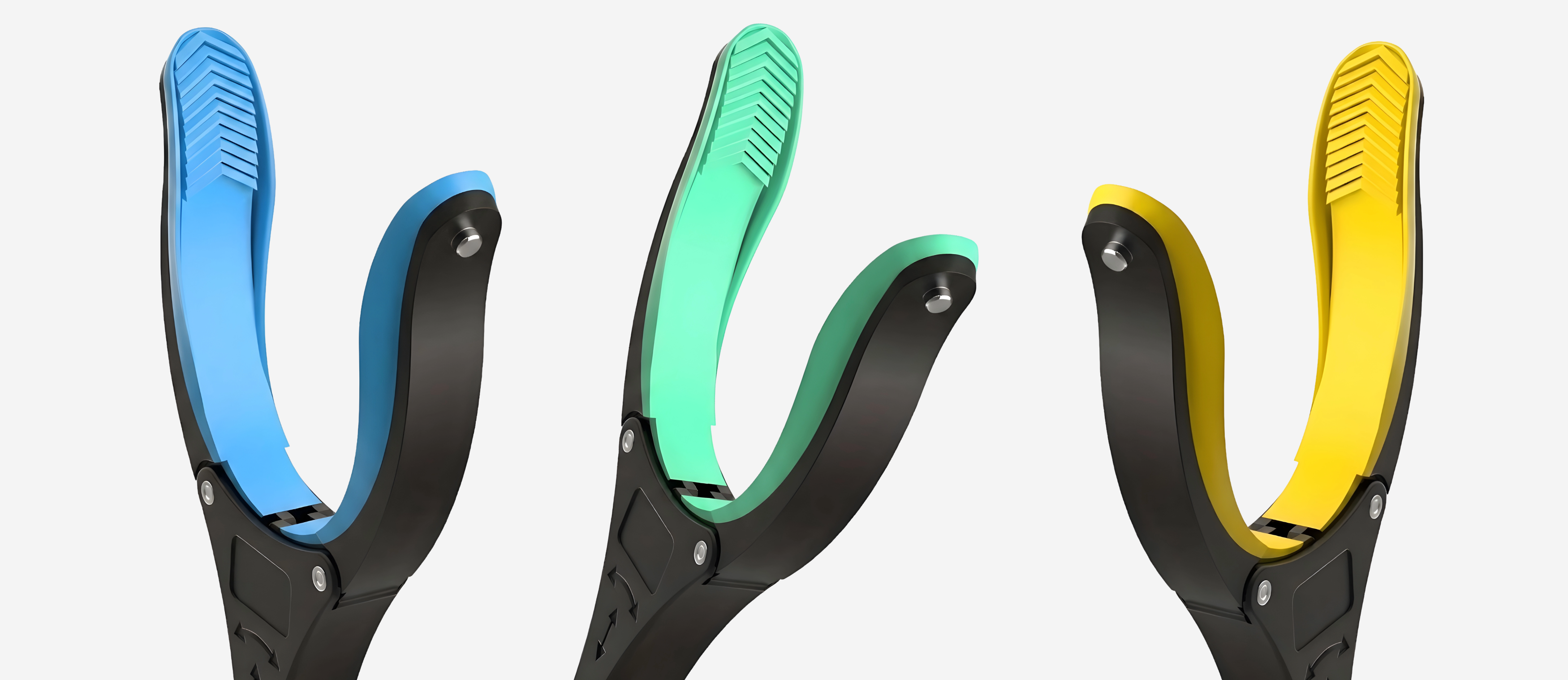
Direct answer: successful post-surgery home recovery requires three categories of preparation: the physical environment (organized for access without restricted movements), adaptive tools (reacher grabber, mobility aid, bathroom equipment), and a daily routine that sequences tasks to minimize pain and fatigue while maintaining the physical activity required for recovery. The most frequently overlooked of these is the adaptive tool category — specifically the reacher grabber, which is the single tool that addresses the largest number of daily restriction-related challenges.
What Discharge Instructions Actually Mean in Daily Practice
"Do not bend past 90 degrees" means: no bending to retrieve floor items, no sitting in low chairs without modification, no leaning into a front-loading washer without a tool.
"Do not twist at the waist" means: reaching for items to the side requires turning the whole body, not just the torso — and furniture layout may need to change to make this practical.
"Weight-bearing as tolerated" means: the surgeon has determined the joint can handle load, but pain and stability determine how much you actually use it — and a walking aid provides the safety margin during uncertainty.
"Avoid lifting more than [X] pounds" means: the reacher grabber retrieves items; items are then transferred to a surface before manual lifting; carrying is minimized.
The First 24 Hours at Home: The Highest Risk Period
GrabbersTool's customers who have been through post-surgical recovery consistently identify the first 24 hours at home as the most dangerous period — not because the surgical site is at its most vulnerable (it is healing), but because the environmental setup has not yet been tested against real use conditions.
The scenarios that produce early problems:
- Getting out of a car — the car seat is lower than expected, and the exit requires a movement that approaches the restricted range
- First bathroom trip at night — unfamiliar dark environment, fatigue, movement that was not practiced at the hospital
- First morning dressing — the routine is automatic and the restrictions override the automatic
- First dropped item — the reflex to bend overrides the conscious restriction
The reacher grabber addresses the last scenario directly. For the first three, having tested the movement in advance — practiced exit from the car, walked the nighttime bathroom path in daylight — dramatically reduces the risk.
Recovery Equipment by Procedure Type
| Procedure | Primary Restriction | Essential Tool | GrabbersTool Option |
|---|---|---|---|
| Hip replacement | Hip flexion past 90° | Reacher grabber — floor retrieval | 32" Reacher |
| Knee replacement | Knee flexion range, weight-bearing progression | Reacher + walking aid | 32" Reacher + Cane |
| Spine surgery | Trunk flexion and rotation | Reacher — all floor/overhead tasks | 43" Reacher |
| Shoulder surgery | Arm elevation and rotation | Non-dominant arm reacher use; kitchen openers | 32" Reacher + electric openers |
| Abdominal surgery | No heavy lifting; no sit-up motion | Reacher + standing assist tool | 32" Reacher + Assist Tool |
| Cardiac surgery (sternotomy) | No pushing/pulling with arms; sternal precautions | Reacher for reach extension; no pushing off arms | 32" Reacher |
Detailed post-procedure equipment configuration guides — including the specific way each GrabbersTool product is used during each recovery phase — are available on the individual product pages. The 32" and 43" Reacher pages include guidance specific to hip, spine, and knee procedure contexts. View 32" model → | View 43" model →
The Medication Management Problem
Post-surgery pain medication affects balance and cognition — often more than the patient realizes. The first 48–72 hours at home frequently involve stronger medication than will be taken for the remainder of recovery. During this period:
- Judgment about safe movement is impaired — the patient feels more capable than they are
- Reaction time is slowed — stumbles that would normally be recovered become falls
- Nighttime movement is particularly risky — medication effects are often strongest overnight
The adaptive tool setup is more important during this period, not less — because the user's judgment about when to use the tool rather than attempting the restricted movement is impaired.
What Physical Therapists Say About the First Two Weeks
Post-surgical physical therapists identify a consistent tension in the first two weeks of home recovery: patients who rest too much lose the mobility and strength that supports recovery; patients who do too much risk the surgical site before it has healed. The middle path — prescribed exercise and activity, with all daily tasks performed using adaptive tools to reduce load on the surgical site — is the correct approach, but it requires having the tools in place before they are needed.
GrabbersTool's position in this context: the reacher grabber, walking cane, and standing assist tool are not substitutes for physical therapy exercise. They are the equipment that makes the daily routine manageable without loading the surgical site — which allows energy to be directed toward the therapeutic exercises that actually advance recovery.
See also: The First Week Home After Hip Replacement, Recovering From Knee Replacement at Home, and What to Buy Before Spine Surgery for procedure-specific detail.
Browse the full Ergonomic Mobility collection for the complete GrabbersTool recovery equipment range.


