

Post-mastectomy recovery imposes arm restrictions that many patients underestimate before surgery -- and that hospital discharge instructions describe in clinical terms that do not translate easily into daily kitchen and household tasks. No reaching above shoulder height. No lifting more than five pounds. No pulling or pushing with the affected arm. These are not arbitrary restrictions -- they protect the surgical site, promote sentinel node and axillary healing, and reduce lymphedema risk. GrabbersTool hears from breast cancer patients post-surgery who are encountering these restrictions in practice for the first time and discovering that ordinary kitchen and household tasks violate them.
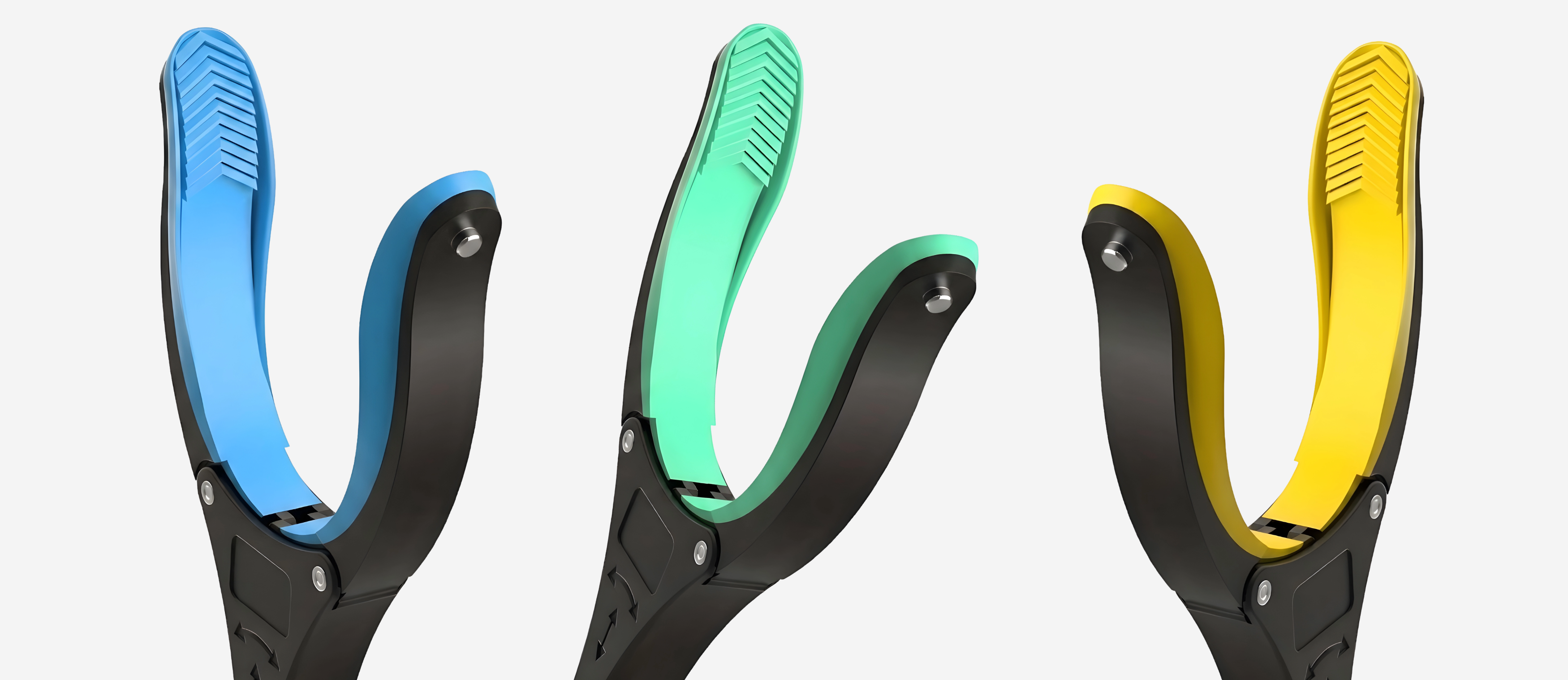
Direct answer: post-mastectomy arm restriction primarily eliminates two task categories: overhead reaching (no arm above shoulder height) and high-resistance grip (no jar opening or pulling force). The GrabbersTool 43 inch Reacher Grabber retrieves items from above shoulder height without arm elevation. The Electric Jar Opener and Electric Can Opener eliminate grip-resistance kitchen tasks. The specific restrictions and duration are set by the surgical team and must be followed exactly.
Post-Mastectomy Arm Restrictions and Daily Tasks
| Restriction | Affected Daily Tasks | Adaptive Tool |
|---|---|---|
| No arm above shoulder height | High shelf access, cabinet above counter, hanging laundry | 43 inch Reacher Grabber |
| No lifting over 5 pounds | Grocery bags, laundry, heavy cookware | Assistance required; plan lightweight options |
| No pulling or pushing (affected arm) | Jar opening, drawer pulling, refrigerator doors | Electric Jar Opener; use unaffected arm for pulls |
| No tight grip (affected arm) | Manual can opening, gripping containers | Electric Can Opener, 5-in-1 Multi-Opener |
| No floor-level bending with arm involvement | Dropped item retrieval | 32 inch Reacher Grabber |
The 43 inch Reacher Grabber dimensions and jaw specifications are on the product page. View specifications
Lymphedema Risk and Arm Use
Axillary lymph node removal (sentinel node biopsy or full axillary dissection) during mastectomy disrupts lymphatic drainage from the affected arm. Post-surgery, excessive arm exertion -- particularly sustained grip, lifting, and repetitive motion -- can trigger or worsen lymphedema in the affected arm. Lymphedema risk is lifelong, not just during the immediate recovery period. For long-term lymphedema risk management, electric kitchen openers are relevant beyond the immediate recovery window: sustained grip tasks are among the activities that lymphedema therapists advise limiting in the affected arm indefinitely.
Setting Up Before Surgery
The most practical time to set up adaptive tools for post-mastectomy recovery is before surgery. GrabbersTool recommends that patients preparing for mastectomy set up their adaptive kitchen and home environment in the week before the procedure so that the tools are in place, tested, and familiar when they return home. Key pre-surgery setup:
- Move frequently needed kitchen items from high shelves to counter height
- Place electric jar and can opener on counter and test operation with unaffected hand
- Hang or position the 43 inch reacher in the kitchen for immediate access on return home
- Arrange a primary resting chair with standing assist tool in position
- Stock prepared foods that require minimal opening effort for the first week
One-Handed Operation and the Unaffected Arm
Post-mastectomy recovery is not bilateral restriction -- the unaffected arm is unrestricted. Many daily tasks can continue using the unaffected arm alone with appropriate tool support. The electric jar opener is designed for one-button, minimal grip operation -- it can be placed over the jar and operated with the unaffected hand. The electric can opener similarly requires only basic positioning and press operation. For tasks that require bilateral grip (most jar opening without electric assistance), the electric tools replace the bilateral requirement with a one-arm-plus-automation approach.
When to Return to Full Function
Arm restriction lifting and timeline is determined by the surgical team -- typically weeks to months depending on the procedure and individual healing. When restrictions are lifted, some of the adaptive tools (particularly the reacher and electric openers) may continue to provide value for lymphedema risk management and general convenience. The decision to continue adaptive tool use after restrictions are lifted should be made in consultation with the breast surgery team and any lymphedema therapist involved in care.
See also: Rotator Cuff Surgery Recovery: Adaptive Tools for the Sling Period and Cancer Treatment Fatigue and Adaptive Tools.
Browse Reacher Grabber Tools and Easy Grip Kitchen Openers.


