

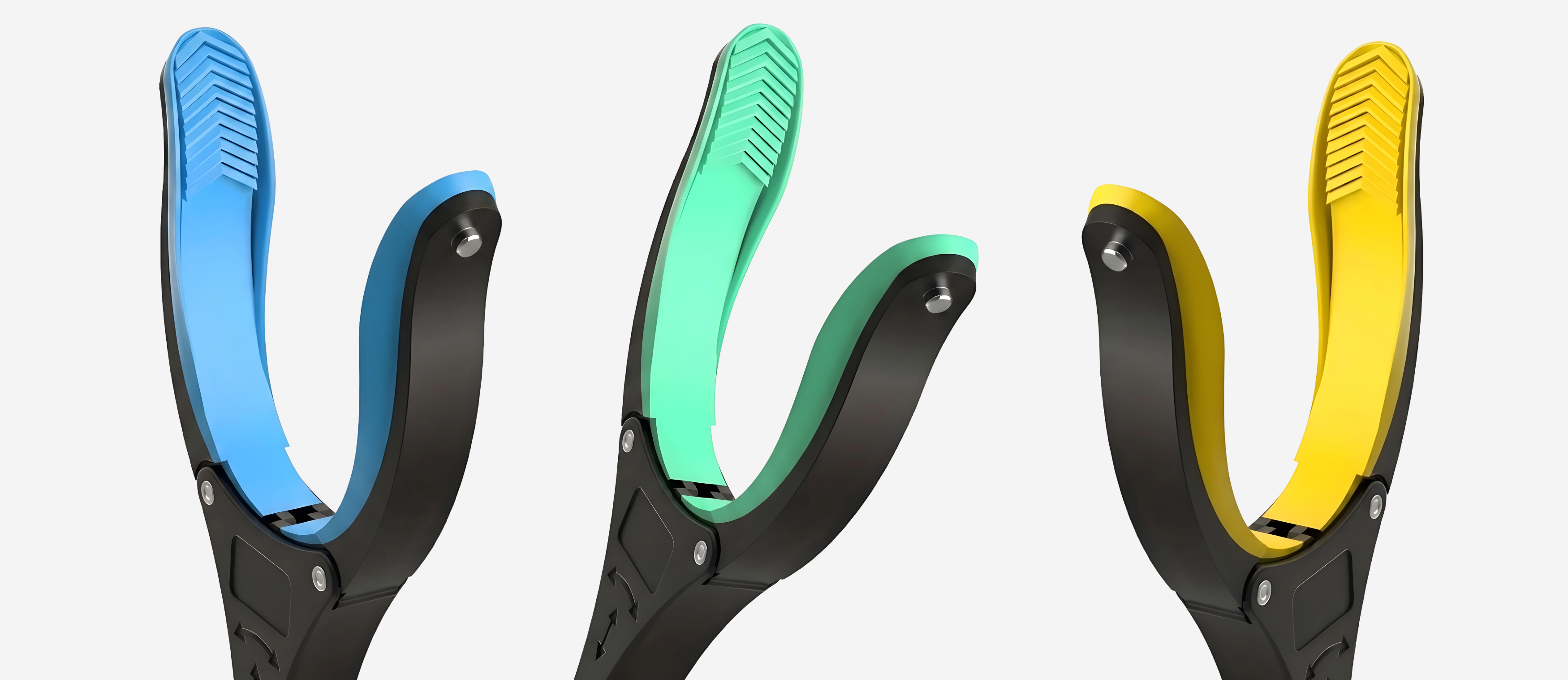
Spinal stenosis produces pain in a pattern that is essentially the reverse of disc herniation: extension (standing upright, walking) is the pain-provoking posture, while flexion (sitting, leaning forward) is relieving. This is why people with lumbar stenosis characteristically lean on shopping carts while walking — the slight forward trunk lean of the cart-hold reduces lumbar extension and the associated pain. It is also why the same reacher grabber that helps disc herniation patients avoid bending has a different application for stenosis: for stenosis, reducing sustained standing is the goal.
Direct answer: for people with lumbar spinal stenosis, adaptive tools that reduce sustained standing time — rather than bending — produce the most meaningful daily pain reduction. The kitchen counter perching stool, sit-stand work surfaces, and a walking cane (which facilitates the slight forward lean that reduces stenotic pain during walking) are the most relevant. The GrabbersTool Walking Cane supports the body during walking with the forward lean that reduces pain, without requiring the user to hold a shopping cart to achieve that posture.
The Stenosis Pain Pattern: Extension Provocation
Lumbar spinal stenosis narrows the spinal canal — typically from arthritic change, disc bulging, or ligament thickening — and compresses the nerves that exit the spine. The compression is position-dependent:
- Extension (upright standing, walking): the ligamentum flavum folds inward during extension, reducing the canal space further and increasing nerve compression — pain, numbness, or leg heaviness provoked
- Flexion (sitting, forward lean): the canal opens slightly during flexion, reducing nerve compression — pain relieved in these positions
The clinical term for this pattern is neurogenic claudication — leg pain and fatigue triggered by walking (extension) and relieved by sitting or bending forward. It is distinct from vascular claudication (which is also relieved by stopping walking but not by bending).
Adaptive Equipment for Stenosis: The Counterintuitive List
| Tool | How It Helps Stenosis | Relevance | GrabbersTool Option |
|---|---|---|---|
| Walking cane | Facilitates slight forward lean during walking — reduces extension | High — changes posture during ambulation | Walking Cane |
| Perching stool (counter height) | Allows semi-seated kitchen work — reduces standing duration | High — kitchen is high sustained-standing zone | Not in GrabbersTool range |
| Wheeled walker | Promotes forward lean more than a cane; slows walking pace | High for significant stenosis | Not in GrabbersTool range |
| Reacher grabber | Reduces the floor-reach bending that can be painful if disc herniation coexists | Moderate — more relevant if disc herniation is also present | Reacher Grabber |
| Raised toilet seat | Reduces the sit-to-stand extension motion that provokes pain | Moderate | Not in GrabbersTool range |
| Standing assist tool | Reduces standing effort during sit-to-stand — less pain-provoking extension | Moderate | Standing Assist Tool |
The GrabbersTool Walking Cane's handle height adjustment — which determines the degree of forward lean during cane-assisted walking — is on the product page. For stenosis, the cane should be fitted slightly shorter than the standard wrist-crease measurement, to promote the slight forward lean that reduces pain. Discuss this adjustment with your physiotherapist. View cane specifications →
The Cane in Stenosis: The Posture Function
A cane is not just a balance aid for stenosis patients — it is a posture management tool. By supporting some body weight through the cane-hand and encouraging a slight forward lean of the trunk, the cane reduces the lumbar extension that provokes neurogenic claudication during walking.
This is why many stenosis patients self-adopt a shopping cart for long shopping trips — the cart allows the forward lean that reduces pain. A walking cane provides the same function without requiring the presence of a shopping cart, and allows the forward lean to be adjusted by cane length.
GrabbersTool customers with spinal stenosis who adopt the walking cane for this function — rather than primarily for fall prevention — report a meaningful extension of their comfortable walking distance before neurogenic claudication symptoms appear.
Activity Planning for Stenosis
Stenosis-specific activity management differs from other conditions because sitting and forward bending are relieving rather than restrictive:
- Rest intervals: sitting for 2–3 minutes during extended standing or walking allows canal decompression and symptom relief before resuming activity
- Kitchen management: a perching stool at counter height converts sustained standing cooking to seated cooking — the single most impactful kitchen adaptation for stenosis
- Shopping: use a cart or ask for a motorized cart for longer shopping trips — the leaning posture on the cart handle reduces walking pain duration significantly
- Walking distance pacing: plan rest stops during walking routes before symptoms appear, rather than walking to the pain threshold
When Stenosis Coexists With Disc Herniation
Many patients have both stenosis and disc herniation, which creates a conflicting pain pattern: extension provokes stenosis pain, while flexion provokes disc pain. Adaptive tools must address both without aggravating either. In this case, the reacher grabber becomes more relevant for stenosis patients — it reduces bending (which could provoke disc pain) while the cane and perching stool address the standing reduction needed for stenosis.
See also: Back Pain and Bending: Why the Floor Is the Enemy of Recovery for the disc herniation context, and How to Choose a Walking Cane: The 4 Specifications That Actually Matter for the cane selection guidance.
Browse the Ergonomic Mobility collection for the full GrabbersTool mobility aid range.


