

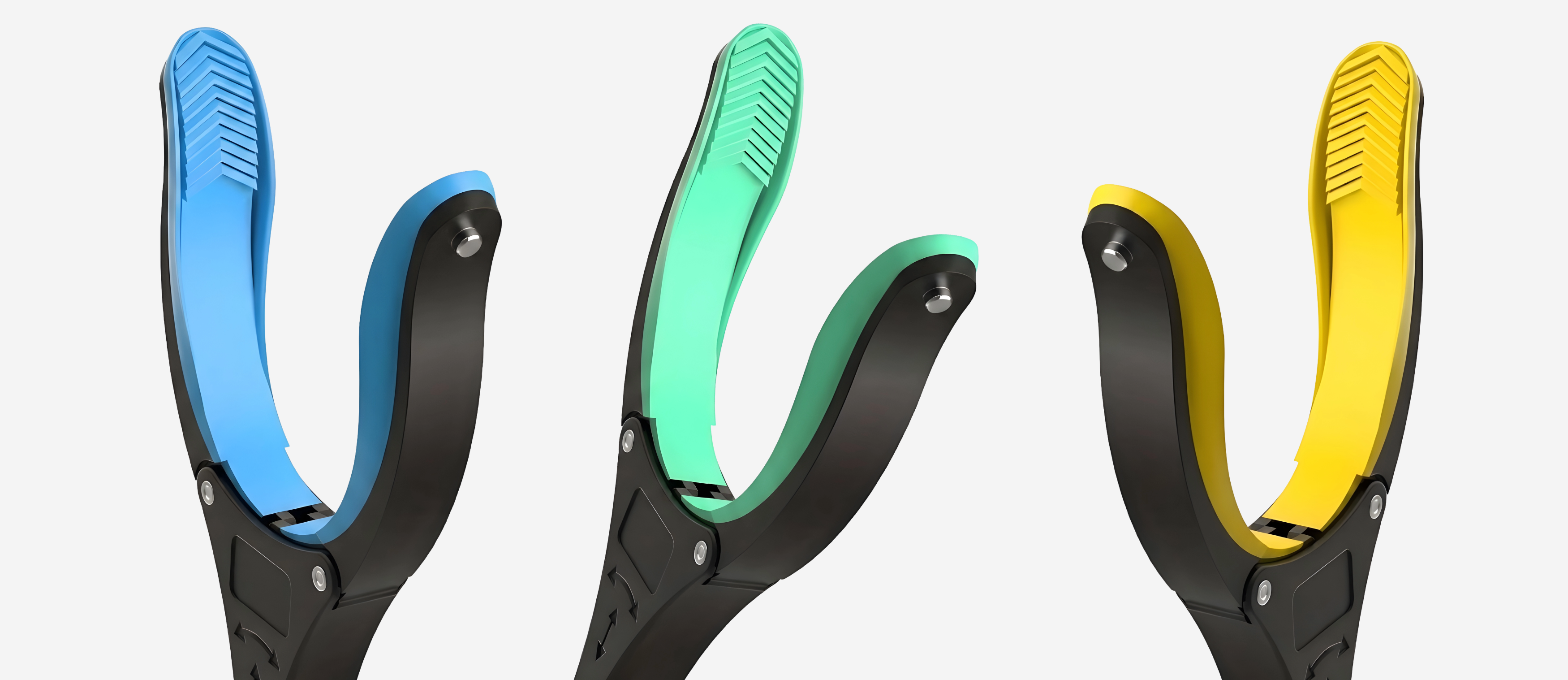
There is a version of giving an adaptive tool that feels like an accusation. And there is a version that feels like an act of respect. The difference is rarely in the product itself — it is in how the gift is framed, chosen, and presented. This guide is about getting that framing right.
The Problem With Most Adaptive Tool Gifts
Most people who buy a grabber tool, jar opener, or cane for a parent or partner are motivated by genuine care. But the recipient often receives it as a signal: you are struggling and I have noticed. For people who have built their identity around capability and independence — which describes most adults over 60 — that signal is uncomfortable.
The reframe: a grabber tool is not an admission of limitation. It is a precision tool that solves a specific mechanical problem (floor retrieval, overhead reaching) in a smarter way than the body alone. Athletes use tools. Professionals use tools. Choosing a better tool is a sign of intelligence, not decline.
How to Choose the Right Tool
The most important gift decision is specificity. A generic "mobility aid" reads as a category. A specific tool for a specific problem reads as something you actually thought about.
| If the person struggles with... | The right GrabbersTool product | Why it works as a gift |
|---|---|---|
| Picking up dropped items | Reacher Grabber 32" | Solves the most common daily frustration immediately |
| Opening jars | Electric Jar Opener | Visibly impressive, one-touch operation feels like a gadget not a medical device |
| General kitchen opening tasks | Multi Opener 5-in-1 | Useful every day, low price point, easy to accept |
| Getting up from low chairs | Standing Assist Tool | No installation, portable — does not alter the home permanently |
| Tall person, high shelves | Reacher Grabber 43" | "For tall people" framing removes any association with limitation |
| Balance support walking | Walking Cane | Natural oak, stylish — looks like a walking accessory, not a medical device |
How to Frame It When You Give It
Three approaches that work, based on what GrabbersTool customers report back after gifting:
The functional frame: "I got this because I use one and it is genuinely useful — not because I think you need help." This positions the tool as a recommendation, not a diagnosis.
The practical frame: "I thought about what would actually be useful in the kitchen / at home, and this came up in every recommendation I found." Positions it as a researched choice, not a concerned observation.
The quality frame: "I specifically looked for one that was not cheap — I wanted something that would actually work." Shifts attention to the product's quality rather than the need for it.
What Customers Say After Gifting
From GrabbersTool order history and follow-up interactions:
- "My mother called three days after I sent it. She had opened six jars herself that week and wanted to know if I had more of them to give to her friends."
- "He refused to use it for the first two days. By day four it was on his nightstand and he has not put it down since."
- "I bought the 43" for my father-in-law and framed it as a gardening tool. He uses it in the garden and in the kitchen. Best purchase I have made for him."
The Presentation Matters
- Do not wrap it in medical-looking packaging — remove it from the box and present it ready to use
- Demonstrate it first — show how it works on something in front of them before leaving it with them
- Leave it in a visible location — a tool in a drawer never gets used; one on the counter does
- Include a note that focuses on the tool's capability, not the recipient's limitation: "For everything just out of reach."
Browse the complete gift-ready range at GrabbersTool.com: Reacher Grabbers, Kitchen Openers, and Mobility Tools. All orders include free shipping and arrive within 3–5 business days — order with a specific occasion in mind.


