

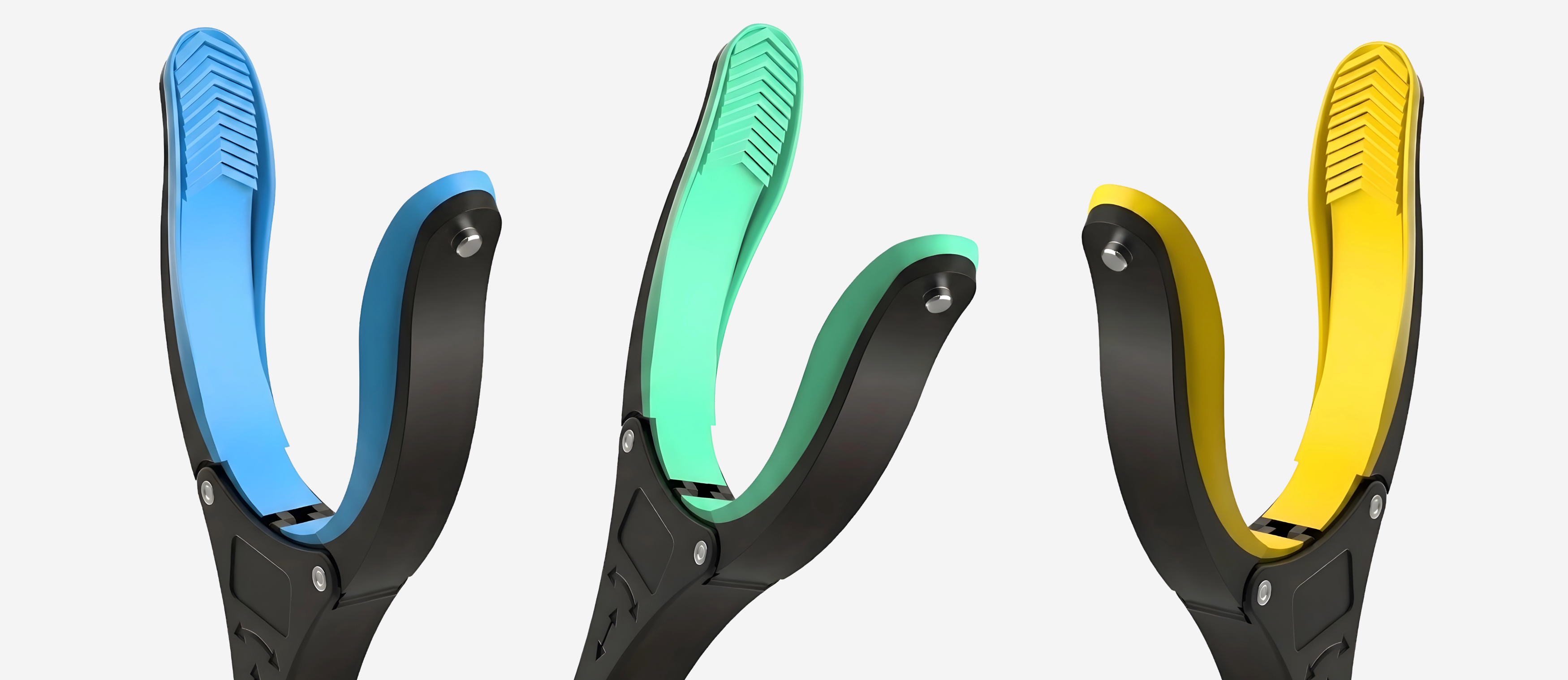
An adaptive tool that fails at the moment of use is not merely ineffective -- it is actively hazardous. A reacher with a worn grip pad that drops an item during floor retrieval fails at the exact moment the user is in a compromised balance position. A walking cane with a worn rubber tip that slips on a wet surface fails when the user depends on it most. GrabbersTool customer feedback consistently includes accounts of tool failures that occurred not because the tool was defective but because it was used past its safe service life. Tool replacement is not an optional maintenance activity -- it is a safety practice.
Direct answer: replace a reacher grabber when the jaw grip pads are worn smooth (visible loss of surface texture), when the trigger mechanism sticks or releases inconsistently, or when the shaft shows visible flex under normal load. Replace a walking cane when the rubber tip is worn flat or cracked, when the adjustable mechanism is loose, or when the handle shows damage. Replace electric openers when the motor produces unusual sounds or when the grip mechanism fails to engage consistently. Inspection should be monthly for high-frequency users.
Reacher Grabber Wear Inspection Checklist
| Component | Normal Condition | Replace When |
|---|---|---|
| Jaw grip pads | Textured surface, firm rubber | Surface worn smooth; pads delaminating from jaw; visible cracks in rubber |
| Trigger mechanism | Smooth, consistent squeeze-and-release | Sticks at any point; releases inconsistently; significant play before jaw responds |
| Shaft | Rigid under normal item retrieval load | Visible flex or bow under load; dents or creases in aluminum shaft |
| Handle | Secure, no wobble relative to shaft | Handle wobbles or rotates on shaft; grip material degraded or cracked |
| Jaw pivot | Smooth rotation (if rotating jaw model) | Pivot stiff, binding, or locks in off-angle position |
GrabbersTool reachers are available for replacement when inspection identifies wear. View 32 inch Reacher Grabber and 43 inch Reacher Grabber
Walking Cane Wear Inspection
Walking cane safety is directly dependent on the rubber tip and the adjustable height mechanism:
- Rubber tip: inspect monthly -- a worn flat tip has significantly reduced slip resistance on smooth and wet floors. Replace the tip (available separately) or replace the cane when the tip is visibly worn or cracked
- Adjustable height mechanism: the push-button or pin mechanism must lock securely at the set height. Test by applying body weight load after height adjustment -- any movement or settling indicates mechanism wear
- Handle: the grip surface should be intact and non-slip; a degraded handle grip increases fall risk during the moments when it is most loaded (during transfers)
The GrabbersTool Cane Strap should also be inspected -- the strap material should be intact and the clip mechanism should engage and release cleanly.
Electric Opener Wear and Replacement
Electric openers have fewer wear components than mechanical tools but require different inspection:
- Motor performance: unusual sounds, reduced torque, or slow operation compared to normal indicate motor wear or battery/power issue -- test with fresh batteries before concluding motor failure
- Grip mechanism (jar opener): the clamping mechanism should grip the lid firmly and consistently -- slipping on the lid during operation is a wear or contamination sign
- Blade (can opener): dull cutting edges produce incomplete cuts or require multiple passes -- a worn blade creates a safety risk from incomplete can opening
High-Frequency User Replacement Timeline
Usage frequency determines replacement interval more than calendar time. As a general framework:
- Daily high-use reacher (10+ uses per day): inspect quarterly, plan replacement at 1-2 years
- Daily moderate-use reacher (3-5 uses per day): inspect every 6 months, plan replacement at 2-3 years
- Walking cane (daily use): inspect rubber tip monthly, replace tip when visibly worn (every 6-12 months for typical use)
- Electric openers: inspect annually, replace when performance noticeably declines
These are general guidelines -- the visual inspection criteria above take priority over the timeline. A reacher showing visible jaw pad wear at 6 months should be replaced regardless of timeline expectations.
See also: Reacher Grabber Maintenance and Lifespan: When to Clean and When to Replace and Reacher Grabber Safety: 7 Mistakes That Lead to Dropped Items and Falls.
Browse replacement options at Reacher Grabber Tools and Ergonomic Mobility.


