

Lower limb amputation rehabilitation focuses on prosthetic fitting, gait training, and mobility — the tools and techniques for walking again. What the inpatient rehabilitation phase addresses less thoroughly is the home environment: the specific daily living challenges of operating in a domestic space that was designed for bilateral ambulation. The dropped object that cannot be retrieved without risking balance on a prosthetic. The cabinet at floor level that requires bending. The morning routine before the prosthetic is donned. These are the gaps that adaptive tools fill, and they are not typically covered in gait training.
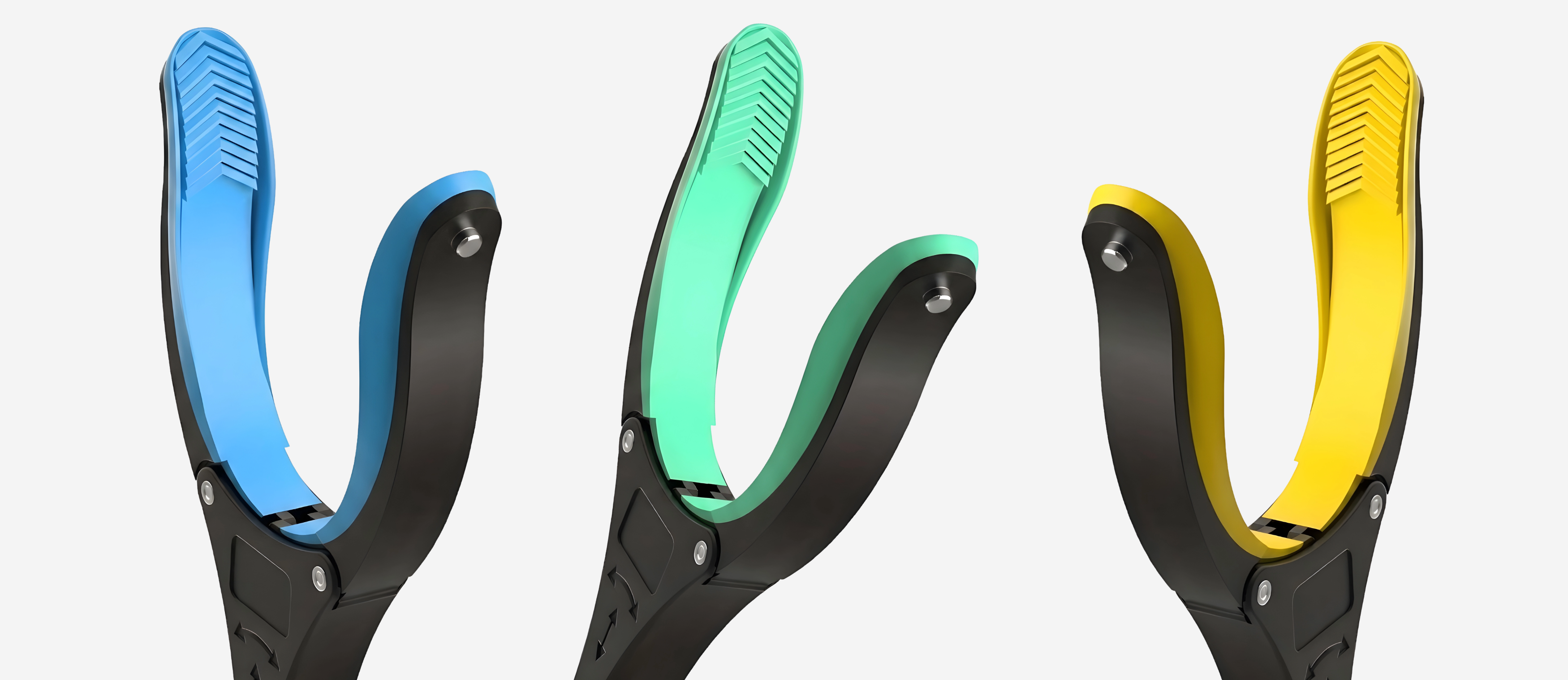
Direct answer: for lower limb amputees, the most functionally important home adaptive tools are: the GrabbersTool Reacher Grabber (for floor retrieval without the balance disruption of bending on a prosthetic or from a wheelchair), the Standing Assist Tool (for chair-to-stand transfers before the prosthetic is donned or when balance is uncertain), and the Electric Jar Opener and Electric Can Opener (for kitchen independence during the pre-prosthetic morning routine and during prosthetic removal periods).
The Prosthetic-Off Periods: When Adaptive Tools Are Most Critical
Lower limb prosthetic users typically have significant periods without the prosthetic: morning before donning, evening after removal, hygiene and maintenance periods, and during prosthetic repair or adjustment. During these periods, the user is either in a wheelchair, using crutches, or hopping — all of which change the reach envelope and balance dynamics compared to prosthetic ambulation.
These prosthetic-off periods are when kitchen adaptive tools are most important: the user cannot stand at the counter as easily, kitchen task completion from a seated or crutch-supported position requires tools that reduce two-handed and high-force requirements. The Electric Jar Opener is a one-hand-on-jar, one-button operation that works from a seated wheelchair position. The Electric Can Opener places, starts automatically, and stops — no sustained grip or rotation required.
Floor Retrieval: The Below-Knee vs Above-Knee Difference
Below-knee (transtibial) amputees retain knee function, which means bending to floor level is mechanically possible on the prosthetic but creates a balance challenge: the prosthetic ankle does not provide the same proprioceptive feedback as a biological ankle, making low-position balance uncertain. For stable objects, bending may be manageable. For quick retrievals of dropped objects, the reacher grabber is safer than the bend-and-rise sequence.
Above-knee (transfemoral) amputees with prosthetic knees have a more complex floor-level challenge: the prosthetic knee requires deliberate management during bending, and floor-level retrieval is typically not included in prosthetic training curricula at the same depth as walking. The reacher grabber from a standing position is the standard solution for above-knee amputees in home environments.
| Amputation Level | Floor Retrieval With Prosthetic | Recommended Tool |
|---|---|---|
| Below-knee (prosthetic donned) | Possible but balance uncertain on dynamic surfaces | 32" Reacher Grabber for most retrievals |
| Above-knee (prosthetic donned) | Complex — prosthetic knee management during bend | 32" Reacher Grabber as primary method |
| Bilateral amputation (wheelchair) | Not possible from standing — requires tool or caregiver | 43" Reacher Grabber from wheelchair position |
| Pre-prosthetic morning period | Not applicable — prosthetic not donned | Reacher from seated or crutch-supported position |
Reacher grabber specifications — jaw opening width, reach length, trigger force, handle dimensions — are on the product pages. For wheelchair users, the jaw opening width and the tool weight are particularly relevant: reaching to floor level from a wheelchair requires controlling a 32-43 inch tool at full extension. View 32" specifications
Morning Routine Before Prosthetic Donning
The morning period before the prosthetic is applied — when the user may be wheelchair-dependent or using crutches — is a distinct functional context that benefits from pre-positioned adaptive tools:
- Reacher grabber at the bedside for morning object retrieval
- Standing assist tool at the bed edge for the bed-to-wheelchair transfer if balance is uncertain
- Kitchen openers at counter level accessible from a seated position
GrabbersTool correspondence from lower limb amputee customers consistently identifies the morning pre-prosthetic period and the evening post-removal period as the highest-need windows for adaptive tool use — periods that prosthetic training does not fully address.
Walking Cane Use in Lower Limb Amputation
Some below-knee amputees use a walking cane for additional stability on challenging surfaces or during gait training. The GrabbersTool Walking Cane with the Cane Strap provides the cane-management solution that prevents the cane from becoming a floor hazard when set down during stationary tasks.
See also: Amputee Daily Living: Upper Limb Amputation and One-Handed Adaptive Tools and Using a Reacher Grabber From a Wheelchair: Technique and Tool Selection.
Browse Reacher Grabber Tools and Ergonomic Mobility for the full home independence range.


